Reasons for choosing our testing services
ZHONGXI Testing has obtained inspection qualification certifications from multiple countries and regions worldwide. We possess a senior testing team and advanced testing methods, providing independent, impartial, and professional third-party verification services for global carbon projects.

Internationally recognized authority
Certified by multiple international standards such as CNAS, VCS, and GS, with reports universally applicable worldwide.

Global service capability
Covering 140+ countries and regions, it supports on-site detection and remote verification in multiple languages.

Professional experimental methods
Adopt standard experimental methods to ensure accurate and reliable data.
High-Sensitivity Glucuronoxylomannan Detection and Quantification for Clinical Diagnostics, Vaccine Development, and Industrial Quality Control
Glucuronoxylomannan (GXM) is a capsular polysaccharide found in the cell walls of certain fungi, most notably Cryptococcus neoformans and Cryptococcus gattii, where it serves as a major virulence factor. Its presence in biological fluids (e.g., serum, cerebrospinal fluid) is a definitive biomarker for cryptococcal infection, particularly in immunocompromised patients. Beyond clinical diagnostics, GXM is also a key quality attribute in the production of fungal-derived biopharmaceuticals, vaccines, and diagnostic reagents, where its concentration, molecular weight distribution, and structural integrity must be precisely monitored. Accurate and sensitive detection of GXM is challenging due to its high molecular weight, structural heterogeneity, and complex interaction with serum proteins. Our specialised detection platform provides a fully validated suite of analytical methods—including immunoassays (ELISA, lateral flow), high-performance size-exclusion chromatography (HPSEC) with multiple detection, and mass spectrometry-based glycomics—delivering unparalleled specificity, sensitivity, and structural resolution. Whether the client is a clinical laboratory, a vaccine manufacturer, a biopharmaceutical company, or a research institution, our service delivers the precise, regulatory‑ready data required to support diagnosis, product development, and quality assurance.
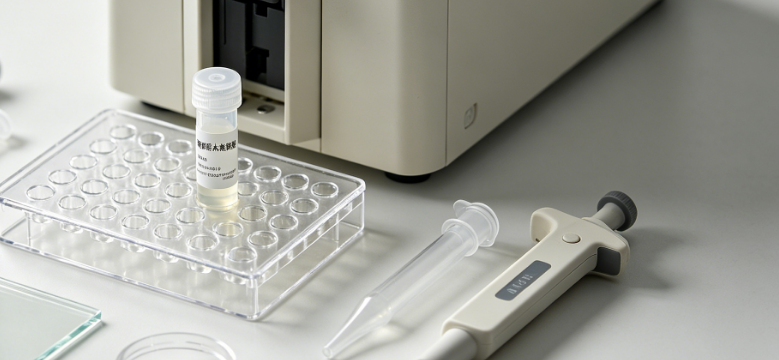
Scientific and Clinical Rationale for Glucuronoxylomannan Analysis
Clients seeking GXM detection services are motivated by a range of critical objectives. In clinical diagnostics, the primary need is to rapidly and accurately quantify GXM in patient samples to confirm cryptococcosis, monitor treatment response, and detect relapse. In vaccine development and quality control, GXM is a key antigenic component; its purity, concentration, and structural conformity must be rigorously characterised to ensure immunogenicity and batch-to-batch consistency. In biopharmaceutical manufacturing, GXM may be an impurity in fungal-derived products (e.g., enzymes, monoclonal antibodies); sensitive detection is required to meet purity specifications. In environmental and food safety monitoring, GXM can serve as a biomarker for fungal contamination in agricultural and processed products. In basic glycobiology research, detailed structural profiling of GXM is essential to understand its biosynthesis, immune recognition, and host-pathogen interactions. Our service is architected to address these multifaceted requirements through a modular, ISO 17025‑accredited analytical framework that adapts to the specific matrix (serum, CSF, urine, cell culture supernatants, industrial intermediates) and the client's regulatory or research context.
Integrated Analytical Pipeline for High‑Fidelity GXM Profiling
Our analytical platform is organised into three interconnected modules that collectively ensure reliable and comprehensive GXM characterisation. The Immunoassay Module employs commercial and in‑house monoclonal antibody‑based ELISA and laterally-flow immunochromatographic assays for rapid screening and semi‑quantitative detection. We validate these assays using GXM reference standards and provide LOQs as low as 0.1 ng/mL in serum, with linearity over three orders of magnitude and inter‑assay precision < 5% RSD. For confirmatory and quantitative analysis, the Chromatographic Module uses high-performance size-exclusion chromatography (HPSEC) coupled with refractive index (RI), multi‑angle light scattering (MALS), and UV detection. This system provides absolute molecular weights (Mw, Mn), polydispersity, and concentration with precision within ±2% and LOQs of 0.5 µg/mL for purified samples. For complex matrices, we incorporate protein precipitation and enzymatic digestion to remove interfering proteins and nucleic acids, achieving recoveries of 92–98%. The Mass Spectrometry Module offers MALDI‑TOF MS for fingerprinting and LC‑ESI‑MS/MS for detailed glycan structure elucidation after enzymatic release of oligosaccharides. We perform methylation analysis and periodate oxidation to determine glycosidic linkage positions and branching patterns, providing structural resolution at the monomer level. All methods are validated according to ICH Q2(R1) and FDA guidelines, and we provide full validation dossiers including specificity, linearity, accuracy, precision, LOD, LOQ, recovery, matrix effect, and stability.
Unmatched Sensitivity, Specificity, and Structural Coverage
Our platform routinely achieves performance that surpasses regulatory and typical research requirements. In immunoassays, our optimised antibody pairs exhibit minimal cross‑reactivity with other polysaccharides (e.g., mannan, glucan) and serum components, ensuring specificity > 99%. The HPSEC‑MALS method provides absolute molecular weight distributions without column calibration, with inter‑day reproducibility < 1% RSD for Mw. For low‑abundance samples, our immunocapture‑HPSEC approach combines antibody enrichment with chromatographic separation, achieving LOQs as low as 0.05 µg/mL in biological fluids. In mass spectrometry, our high‑resolution Q‑TOF MS offers mass accuracy < 2 ppm, enabling the detection of subtle modifications such as O‑acetylation or partial de‑O‑acetylation that affect antigenicity. Additionally, we provide absolute quantification via isotope‑labelled internal standards (e.g., 13C‑GXM) for accurate determination of GXM content in vaccine formulations. Our integrated data interpretation provides structural indices such as Mw/Mn ratio, intrinsic viscosity, and hydrodynamic radius, which are critical for correlating physical properties with immunogenicity and bioactivity. This depth of analysis ensures that our clients receive not only a concentration value but a comprehensive chemical and physical characterisation of their GXM sample.
Distinctive Advantages of Our Glucuronoxylomannan Detection Service
Our service offers several unique benefits that directly address client challenges. First, we provide customised method development and validation for novel matrices (e.g., tissue homogenates, food extracts, industrial fermentation broths), with full documentation and transfer protocols. Second, we maintain a comprehensive in‑house reference library of GXM serotypes (e.g., serotype A, D, AD) and chemically modified variants, enabling accurate identification and quantitation of specific strains. Third, we offer a rapid turnaround service for clinical samples, with results available within 6 hours of sample receipt—critical for time‑sensitive patient management. Fourth, our stability studies evaluate the degradation of GXM under various storage and processing conditions (temperature, pH, freeze‑thaw), providing evidence‑based recommendations for sample handling and formulation. Fifth, we provide integrated data interpretation and statistical analysis, including comparison with reference materials, trend analysis, and multivariate visualisation (PCA, heatmaps) to help clients identify batch‑to‑batch variability or contamination events. Sixth, all our methods are accredited under ISO/IEC 17025 and comply with GLP guidelines, and we participate in international proficiency testing schemes (e.g., EQAS, FAPAS) to continuously verify our accuracy. Our team of glycobiologists, immunochemists, and analytical chemists provides consultative support, assisting clients in experimental design, data interpretation, and troubleshooting.
Advanced Data Integration, Predictive Modeling, and Reporting
We understand that analytical data must inform scientific and clinical decision‑making. Our final reports are structured to deliver three levels of information: (i) a certificate of analysis (CoA) presenting the GXM concentration, molecular weight parameters, and purity assessment, with clear comparison to the client's specified acceptance criteria; (ii) a detailed analytical report containing raw chromatograms, mass spectra, immunoassay calibration curves, quality control data, and sample preparation details; and (iii) an interpretive summary that places the results in the context of the client's objectives—for example, explaining how a shift in molecular weight distribution may indicate depolymerisation, or how the ratio of O‑acetylation affects antibody binding in immunoassays. For clients with multiple batches or time‑course samples, we perform statistical analysis (t‑tests, ANOVA) and provide trend plots to monitor consistency. We also offer predictive modelling of immunogenicity based on structural parameters, using our internally developed algorithms. All raw data files (e.g., .raw, .csv, .dx) are supplied for full transparency and re‑analysis.
Broad Applications Across Clinical Diagnostics, Vaccine Manufacturing, and Glycobiology Research
The versatility of our GXM detection service makes it invaluable across multiple sectors. In clinical diagnostics, our immunoassays and confirmatory HPSEC‑MS methods support the early detection and monitoring of cryptococcosis, particularly in HIV‑positive and transplant patients. In vaccine development and production, our comprehensive structural and quantitative profiling ensures that GXM‑based conjugate vaccines meet stringent quality standards. In biopharmaceutical quality control, we detect and quantify GXM as a process‑related impurity in fungal‑derived products, ensuring patient safety. In food safety and environmental monitoring, our assays detect fungal contamination in agricultural commodities and processed foods. In academic glycobiology, our detailed structural analyses support studies on GXM biosynthesis, host‑pathogen interactions, and immune evasion. In regulatory submissions, our validated data packages facilitate product approval with agencies such as the FDA, EMA, and WHO. Our ability to adapt the analytical approach to the specific matrix, scale, and regulatory environment ensures that we serve a diverse clientele with efficiency and expertise.
Commitment to Innovation, Quality, and Client Partnership
We are dedicated to maintaining leadership in polysaccharide analytics through continuous technological advancement and a culture of scientific excellence. Our current R&D includes the development of microfluidic chip‑based immunoassays for near‑real‑time GXM monitoring in point‑of‑care settings, and the integration of machine learning algorithms to predict structural integrity and immunogenicity from multi‑parameter data. We actively participate in standardisation working groups (e.g., WHO, CLSI) and contribute to the development of reference materials and best practices. Our quality management system is ISO 17025 and ISO 9001 certified, and we undergo regular external audits. We offer flexible service models—from single‑sample analysis to long‑term collaborative projects—with dedicated account management, volume‑based pricing, and priority handling for urgent requests. Our global logistics network provides sample kits with preservatives (e.g., sodium azide, protease inhibitors) and clear instructions to ensure GXM stability during transport. Turnaround times are typically 3–5 business days for standard ELISA/HPSEC analysis and 5–7 business days for comprehensive glycomic profiling, with expedited options available. We maintain open, transparent communication, providing preliminary results upon request and final reports with full documentation. Our success is measured by the confidence our clients have in their data, enabling them to make sound diagnostic, development, and manufacturing decisions. We invite you to partner with us for precise, reliable, and insightful glucuronoxylomannan detection services.
In summary, our glucuronoxylomannan detection service delivers a comprehensive, precise, and regulation‑ready analytical solution that combines state‑of‑the‑art immunoassays, chromatographic characterisation, and mass spectrometric structural elucidation. By offering unmatched sensitivity, specificity, and structural coverage across all relevant sample types, we empower our clients to advance clinical diagnostics, accelerate vaccine development, and ensure the safety of biopharmaceutical products. We look forward to supporting your GXM analysis needs with our unwavering commitment to quality.