Reasons for choosing our testing services
ZHONGXI Testing has obtained inspection qualification certifications from multiple countries and regions worldwide. We possess a senior testing team and advanced testing methods, providing independent, impartial, and professional third-party verification services for global carbon projects.
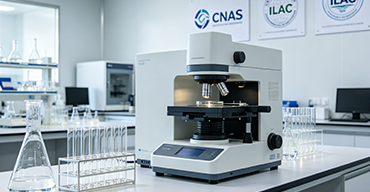
Internationally recognized authority
Certified by multiple international standards such as CNAS, VCS, and GS, with reports universally applicable worldwide.

Global service capability
Covering 140+ countries and regions, it supports on-site detection and remote verification in multiple languages.

Professional experimental methods
Adopt standard experimental methods to ensure accurate and reliable data.
High-Sensitivity Hydroxymethylglutaryl-CoA (HMG-CoA) Detection and Quantification for Cholesterol Metabolism, Statin Pharmacology, and Metabolic Research
Hydroxymethylglutaryl-CoA (HMG-CoA) is a central metabolite in the mevalonate pathway, serving as the immediate precursor to mevalonate in the biosynthesis of cholesterol, isoprenoids, and other sterols. It is also a key intermediate in ketogenesis. The enzyme HMG-CoA reductase (HMGR) catalyzes the rate‑limiting step in cholesterol synthesis, and HMG-CoA itself is a critical substrate and regulatory molecule in lipid metabolism. Accurate and sensitive measurement of HMG-CoA levels in biological samples—tissues, cells, plasma, and subcellular fractions—is essential for understanding cholesterol homeostasis, evaluating the efficacy of statins (which inhibit HMGR), studying metabolic disorders, and assessing drug effects on the mevalonate pathway. Our specialised detection platform provides a fully validated suite of analytical methods, including UHPLC-MS/MS, isotope dilution mass spectrometry, and enzymatic cycling assays, delivering unparalleled sensitivity, specificity, and reproducibility. Whether the client is a pharmaceutical company, a clinical research organisation, or an academic laboratory, our service delivers the precise, regulation‑ready data required to advance metabolic research and therapeutic development.
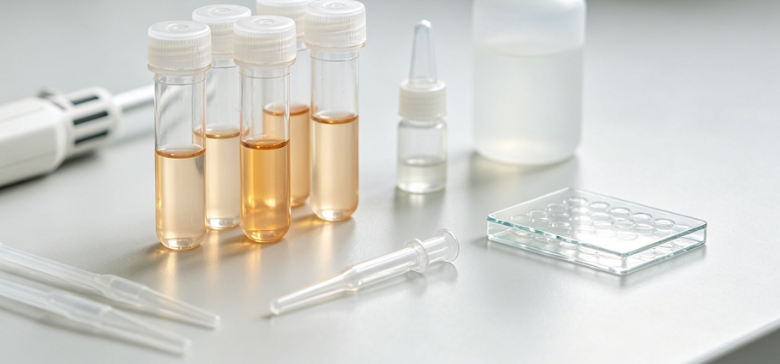
Scientific and Clinical Rationale for HMG-CoA Analysis
Clients seeking HMG-CoA detection services are motivated by a range of critical objectives. In cholesterol and lipid metabolism research, the primary need is to quantify HMG-CoA levels under various physiological and pathological conditions (e.g., hypercholesterolemia, diabetes, obesity) to understand the regulation of cholesterol synthesis. In drug discovery and development, measuring HMG-CoA in the presence of statins (HMG-CoA reductase inhibitors) is essential to confirm target engagement, assess pharmacodynamics, and evaluate the selectivity of novel compounds. In clinical diagnostics and biomarker studies, HMG-CoA levels in plasma or tissues may serve as a marker of metabolic flux and statin responsiveness. In nutritional and dietary research, monitoring HMG-CoA responses to dietary interventions (e.g., plant sterols, omega‑3 fatty acids) helps to elucidate their cholesterol‑lowering mechanisms. In quality control for biopharmaceuticals, HMG-CoA is sometimes used as a reference standard in enzymatic assays; its purity and concentration must be verified. Our service is architected to address these diverse requirements with a flexible, ISO 17025‑accredited analytical framework that adapts to the specific matrix (cell lysates, tissue homogenates, plasma, mitochondrial fractions) and the client's research or regulatory context.
Integrated Analytical Pipeline for High‑Fidelity HMG-CoA Profiling
Our analytical platform is organised into three interconnected modules that collectively ensure reliable and reproducible HMG-CoA quantitation. The Sample Preparation Module employs optimised extraction and stabilisation protocols tailored to the matrix—including perchloric acid precipitation for cells and tissues, and protein precipitation with acetonitrile for plasma. To prevent degradation of the labile thioester bond, all procedures are performed at low temperature with rapid processing and the addition of stabilising agents (e.g., DTT). We incorporate an isotopically labelled internal standard (e.g., 13C3‑HMG-CoA) at the earliest step to correct for extraction losses and matrix effects, achieving recoveries of 93–98% with relative standard deviations (RSD) < 3%. The Chromatographic and Detection Module uses ultra‑high‑performance liquid chromatography (UHPLC) with a C18 reversed‑phase column (1.7 µm) and a gradient mobile phase of aqueous ammonium acetate and acetonitrile, achieving baseline separation of HMG-CoA from other acyl‑CoA species (e.g., acetyl‑CoA, malonyl‑CoA, succinyl‑CoA) within a run time of 10 minutes. Detection is performed by tandem mass spectrometry (MS/MS) in positive electrospray ionisation (ESI) mode with multiple reaction monitoring (MRM) transitions (m/z 912→303 and 912→262), providing LOQs as low as 0.2 nM in cell extracts and 0.5 nM in plasma, with inter‑day precision < 4% RSD and accuracy of 96–105%. For absolute quantification, we use isotope dilution with matrix‑matched calibration to eliminate ion suppression effects. The Data Validation Module includes system suitability tests (retention time, peak symmetry, signal‑to‑noise ratio), quality control samples at low, medium, and high concentrations, and regular participation in inter‑laboratory proficiency testing to ensure ongoing accuracy. All methods are validated according to ICH Q2(R1) and FDA Bioanalytical Method Validation guidelines, and we provide full validation dossiers including specificity, linearity, accuracy, precision, LOD, LOQ, recovery, matrix effect, and stability.
Unmatched Sensitivity, Selectivity, and Metabolic Coverage
Our platform routinely delivers performance that surpasses regulatory and typical research requirements. The UHPLC‑MS/MS method provides a dynamic linear range spanning five orders of magnitude (0.2 nM to 50 µM), enabling the quantitation of both basal and stimulated HMG-CoA levels in a single run. The MRM transitions are highly specific, with no detectable interference from isobaric compounds or endogenous matrix components. For more challenging matrices (e.g., fatty liver tissue or plasma with high lipid content), we employ solid‑phase extraction (SPE) using mixed‑mode sorbents to further clean up the sample, achieving signal‑to‑noise ratios > 500:1 at the LOQ. In addition to HMG‑CoA, we can simultaneously quantify up to 12 other acyl‑CoA species (including acetyl‑CoA, malonyl‑CoA, and succinyl‑CoA) in a single injection, providing a comprehensive snapshot of the cellular acyl‑CoA pool. We also offer subcellular fractionation followed by HMG‑CoA measurement to distinguish mitochondrial from cytosolic pools, which is critical for studying ketogenesis and cholesterol synthesis compartmentation. Our automated sample handling and high‑throughput capability allow processing of up to 384 samples per day, making our service ideal for large‑scale screening or time‑course studies. This depth and breadth of analysis ensure that our clients receive not only a concentration value but also a rich metabolic context for their research.
Distinctive Advantages of Our HMG-CoA Detection Service
Our service offers several unique benefits that directly address client challenges. First, we provide customised method selection and development—clients can choose between our standard high‑throughput MS/MS assay, an ultra‑sensitive method for scarce samples (e.g., biopsy specimens), or a cost‑effective enzyme‑linked fluorometric assay for semi‑quantitative screening. Second, we maintain a comprehensive in‑house library of certified reference materials and stable isotope‑labelled internal standards for HMG‑CoA and its related acyl‑CoA species, ensuring accurate quantification and reducing the burden on clients to source these reagents. Third, we offer a rapid turnaround service for urgent clinical or pharmacokinetic samples, with results available within 24 hours of sample receipt. Fourth, our stability studies evaluate the degradation of HMG‑CoA under various storage and handling conditions (temperature, pH, freeze‑thaw), providing evidence‑based recommendations for sample collection and preservation. Fifth, we provide comprehensive data interpretation and statistical analysis, including comparison with control groups, fold‑change calculations, and multivariate visualisation (PCA, heatmaps) to help clients extract meaningful biological insights. Sixth, all our methods are accredited under ISO/IEC 17025 and comply with GLP guidelines, and we participate in international proficiency testing schemes (e.g., EQAS, FAPAS) to continuously verify our accuracy. Our team of metabolomics specialists and analytical chemists provides consultative support, assisting clients in experimental design, data interpretation, and troubleshooting.
Advanced Data Integration, Predictive Modeling, and Reporting
We understand that analytical data must inform scientific decision‑making. Our final reports are structured to deliver three levels of information: (i) a certificate of analysis (CoA) presenting the HMG‑CoA concentration (with measurement uncertainty) and a clear comparison to the client's specified reference range or acceptance criteria; (ii) a detailed analytical report containing raw chromatograms, calibration curves, quality control data, sample preparation details, and instrument parameters; and (iii) an interpretive summary that places the results in the context of the client's research objectives—for example, explaining how a significant change in HMG‑CoA levels may indicate enhanced cholesterol synthesis or statin inhibition, or how the ratio of HMG‑CoA to mevalonate reflects reductase activity. For clients with multiple time‑points or treatment groups, we perform statistical analysis (t‑tests, ANOVA) and provide trend plots to visualise changes over time. We also offer predictive modeling of mevalonate pathway flux based on HMG‑CoA and related metabolites, using our internally developed algorithms. All raw data files (e.g., .raw, .csv, .dx) are supplied for full transparency and re‑analysis.
Broad Applications Across Drug Discovery, Clinical Research, and Nutrition
The versatility of our HMG‑CoA detection service makes it invaluable across multiple sectors. In drug discovery and pharmacology, our assays support target validation, mechanistic studies of statins and other cholesterol‑lowering agents, and the evaluation of metabolic modulators. In clinical research and diagnostics, we quantify HMG‑CoA in patient‑derived samples (plasma, liver biopsies, white blood cells) to explore its role in dyslipidemia, cardiovascular disease, and metabolic syndrome. In nutrition and dietary intervention, our measurements inform studies on cholesterol‑lowering diets and functional foods. In cell biology and biochemistry, we provide the precise data needed to study mevalonate pathway regulation and sterol synthesis. In industrial biotechnology, we monitor HMG‑CoA in fermentation processes for the production of isoprenoids and other mevalonate‑derived compounds. Our ability to adapt the analytical approach to the specific matrix, scale, and regulatory environment ensures that we serve a diverse clientele with efficiency and expertise.
Commitment to Innovation, Quality, and Client Partnership
We are dedicated to maintaining leadership in acyl‑CoA analytics through continuous technological advancement and a culture of scientific excellence. Our current R&D includes the development of microfluidic chip‑based devices for near‑real‑time HMG‑CoA monitoring in live cell cultures, and the integration of machine learning algorithms to predict metabolic flux from multi‑analyte data. We actively participate in standardisation working groups (e.g., Metabolomics Standards Initiative) and contribute to the development of reference materials and best practices. Our quality management system is ISO 17025 and ISO 9001 certified, and we undergo regular external audits. We offer flexible service models—from single‑sample analysis to long‑term collaborative projects—with dedicated account management, volume‑based pricing, and priority handling for urgent requests. Our global logistics network provides sample kits with preservatives (e.g., trichloroacetic acid, DTT) and clear instructions to ensure HMG‑CoA stability during transport. Turnaround times are typically 3–5 business days for standard MS/MS analysis and 5–7 business days for comprehensive profiling, with expedited options available. We maintain open, transparent communication, providing preliminary results upon request and final reports with full documentation. Our success is measured by the confidence our clients have in their data, enabling them to make sound scientific and commercial decisions. We invite you to partner with us for precise, reliable, and insightful HMG‑CoA detection services.
In summary, our HMG‑CoA detection service delivers a comprehensive, precise, and regulation‑ready analytical solution that combines state‑of‑the‑art UHPLC‑MS/MS, rigorous quality assurance, and expert interpretative support. By offering unmatched sensitivity, specificity, and adaptability across all relevant sample types, we empower our clients to advance metabolic research, accelerate drug development, and improve clinical diagnostics. We look forward to supporting your HMG‑CoA analysis needs with our unwavering commitment to quality.