Reasons for choosing our testing services
ZHONGXI Testing has obtained inspection qualification certifications from multiple countries and regions worldwide. We possess a senior testing team and advanced testing methods, providing independent, impartial, and professional third-party verification services for global carbon projects.
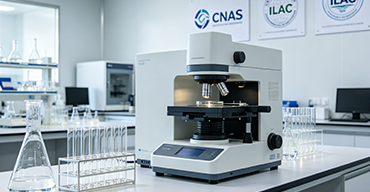
Internationally recognized authority
Certified by multiple international standards such as CNAS, VCS, and GS, with reports universally applicable worldwide.

Global service capability
Covering 140+ countries and regions, it supports on-site detection and remote verification in multiple languages.
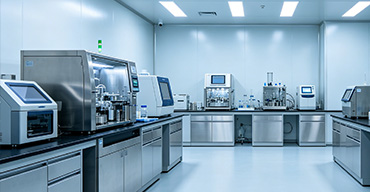
Professional experimental methods
Adopt standard experimental methods to ensure accurate and reliable data.
High-Precision Carboxypeptidase Detection, Activity Profiling, and Protein Characterisation Services for Proteomic Research, Drug Discovery, and Clinical Diagnostics
Carboxypeptidases are a diverse and functionally essential family of exopeptidases that catalyse the hydrolysis of peptide bonds at the C-terminus of proteins and peptides, sequentially releasing individual amino acids. These zinc-dependent metalloproteases play critical roles in a wide spectrum of biological processes, including protein digestion, peptide hormone processing, blood pressure regulation (e.g., angiotensin-converting enzyme, ACE), and neuronal signalling. Their dysregulation is implicated in numerous pathologies, including cancer, neuropsychiatric disorders, hypertension, and cardiovascular diseases. Consequently, the accurate and comprehensive detection, quantification, and functional characterisation of carboxypeptidases—encompassing catalytic activity, protein abundance, substrate specificity, kinetic parameters, and inhibitor sensitivity—is of paramount importance for understanding disease mechanisms, developing novel therapeutics, and ensuring the quality of biological products. Our specialised detection platform offers a fully validated suite of biochemical, mass spectrometric, and cell-based assays tailored to carboxypeptidases from human, animal, microbial, and recombinant sources, delivering the high-precision, regulatory-ready data that clients require for research, diagnostics, and biopharmaceutical development.
Scientific, Clinical, and Industrial Rationale for Carboxypeptidase Analysis
Clients seeking carboxypeptidase detection services are motivated by a range of strategic objectives. In proteomics and peptide research, the primary need is to quantify the activity of specific carboxypeptidases (e.g., CPA1, CPA2, CPB, CPE) to understand their role in protein processing, peptide degradation, and the regulation of bioactive peptides. In drug discovery and pharmacology, measuring the inhibitory potency of novel compounds against carboxypeptidases, particularly CPA, CPB, and ACE, is critical for identifying potential therapeutic agents for conditions such as hypertension, pain, and cancer. In clinical diagnostics, altered expression or activity of carboxypeptidases in serum, urine, or tissue (e.g., CPN in inflammation, CPA in pancreatic cancer) is emerging as a valuable biomarker for disease diagnosis and monitoring. In biopharmaceutical manufacturing, monitoring carboxypeptidase activity as a process-related impurity is essential for ensuring the purity, stability, and efficacy of therapeutic proteins, especially recombinant enzymes and monoclonal antibodies. In quality control of enzyme reagents, verifying the specific activity, purity, and stability of carboxypeptidase standards is critical for diagnostic kit production and reference material use. In regulatory submissions, comprehensive data on enzyme activity, selectivity, and stability are required for the approval of new drugs, diagnostic devices, and biocatalysts. Our service is architected to address these diverse needs with a flexible, ISO 17025-accredited analytical framework that adapts to the specific enzyme source, sample matrix, and client's research or regulatory context.
Integrated Analytical Platform for Holistic Carboxypeptidase Characterisation
Our analytical platform comprises four interconnected modules that collectively deliver a comprehensive evaluation of carboxypeptidase quality and performance. The Activity Quantification Module employs a range of validated assays using chromogenic substrates (e.g., N-(3-[2-furyl]acryloyl)-L-phenylalanyl-L-phenylalanine, FAPP) for CPA, and benzoyl-Gly-Lys (Bz-Gly-Lys) for CPB, or fluorogenic substrates (e.g., dansyl-peptides) for enhanced sensitivity. For high specificity, we use UHPLC-MS/MS to directly quantify the release of free amino acids from physiologically relevant peptide substrates. We determine the specific activity (U/mg protein) with precision within ±2% RSD and a limit of detection (LOD) as low as 0.001 U/mL. For detailed kinetic characterisation, we calculate Michaelis-Menten parameters (Km, Vmax, kcat) and inhibition constants (IC50, Ki) for a panel of known inhibitors (e.g., benzylsuccinic acid, 2-mercaptomethyl-3-guanidinoethylthiopropanoic acid), with 95% confidence intervals typically within ±5%. The Substrate Specificity and Isoform Module profiles the enzyme's activity against a custom panel of peptide substrates (e.g., Z-Gly-X-OMe, where X = Phe, Leu, Lys, Arg) to generate a specificity fingerprint that can distinguish between the major isozymes (CPA1, CPA2, CPB, CPD, CPE, CPN, ACE). For absolute protein quantitation and isoform discrimination, we use ELISA with isoform-specific antibodies, providing LOQs of 0.05 ng/mg of total protein and inter-assay precision < 5%, and LC-MS/MS-based targeted proteomics (PRM) with stable isotope-labelled peptide standards, achieving LOQs in the low fmol/mg range and enabling the simultaneous quantitation of multiple carboxypeptidase isoforms in a single run. The Purity and Structural Module uses SDS-PAGE with silver or Coomassie staining, size-exclusion chromatography (SEC-HPLC), and capillary electrophoresis (CE) to assess purity, detect aggregates, and confirm the presence of active glycosylated forms. For identification, we perform intact mass analysis by ESI-TOF MS and LC-MS/MS peptide mass fingerprinting to confirm the enzyme's identity and to detect post-translational modifications (e.g., glycosylation, proteolytic activation). The Stability and Formulation Module subjects the enzyme to accelerated aging conditions (temperatures from 2°C to 40°C, pH 4-9, and various ionic strengths) and monitors residual activity, aggregation (by SEC-HPLC), and conformational integrity (by CD spectroscopy) over time. Using Arrhenius modelling and deactivation kinetics, we predict shelf-life and identify critical degradation pathways (e.g., deamidation, oxidation, proteolysis). All modules are validated with reference carboxypeptidase standards (commercial or in-house) and include rigorous quality controls (system suitability, blank subtraction, and replicate analyses).
Unmatched Analytical Sensitivity, Specificity, and Mechanistic Insight
Our platform consistently delivers performance that surpasses typical industry and academic standards. In activity assays, we achieve signal-to-noise ratios > 300:1 at the LOD, with linearity over four orders of magnitude and Z’-factors consistently > 0.8, making our assays highly robust for high-throughput screening of inhibitors or enzyme variants. Our kinetic fitting software uses global non-linear regression to provide precise estimates of Km and Vmax, with residual errors < 2%. For protein quantitation by PRM, our chromatographic gradient resolves isoform-specific peptides with retention time reproducibility < 0.5% RSD and peak area precision < 3%. In inhibitor studies, we perform full dose-response curves with at least 8 concentrations in triplicate, and we provide Dixon plots and Cornish-Bowden analyses to determine the mechanism of inhibition (competitive, uncompetitive, or mixed). Additionally, we offer isothermal titration calorimetry (ITC) to measure the binding thermodynamics of inhibitors, providing ΔH, ΔS, and binding stoichiometry with precision within ±2%. For clients requiring detailed structural insight, we perform hydrogen-deuterium exchange mass spectrometry (HDX-MS) to map ligand-binding sites and conformational changes. This multi-dimensional data set enables our clients to not only quantify enzyme activity but also to understand the molecular basis of substrate recognition, catalytic mechanism, and inhibition, facilitating the rational design of more selective therapeutics.
Distinctive Advantages of Our Carboxypeptidase Detection Service
Our service provides several unique benefits that directly address client challenges. First, we have developed matrix-specific sample preparation protocols for a wide variety of carboxypeptidase sources—including plasma, serum, tissue homogenates, cell lysates, food extracts, and purified recombinant proteins—that effectively preserve enzyme activity and protein integrity, achieving recoveries > 95% for all tested matrices. Second, we maintain a comprehensive reference library of carboxypeptidase isoforms (including CPA1, CPA2, CPB, CPD, CPE, CPN, and ACE) and their known substrate and inhibitor profiles, enabling rapid method setup and confident benchmarking. Third, we offer a rapid screening service using a microplate-based fluorescence assay that provides semi-quantitative activity data within 1 hour of sample receipt—ideal for large-scale clinical screening, early-stage inhibitor discovery, or environmental monitoring. Fourth, our customised kinetic and inhibition studies can be tailored to simulate physiological conditions, including the presence of metal ions (e.g., Zn²⁺, Co²⁺) and other cofactors. Fifth, we provide integrated data interpretation that links enzyme activity, isoform abundance, and inhibition profiles to biological, clinical, or industrial outcomes (e.g., peptide processing efficiency, drug efficacy, shelf-life), enabling clients to make informed decisions on candidate selection and application. Sixth, all our methods comply with ICH M10, FDA, and EMA guidelines on bioanalytical method validation, and we supply full validation dossiers (specificity, linearity, accuracy, precision, LOD, LOQ, robustness) along with detailed SOPs, ensuring that our data are readily accepted by regulatory authorities. Our team of enzymologists, protein chemists, and clinical researchers provides consultative interpretation, helping clients to design follow-up experiments, predict in vivo outcomes, and support regulatory submissions.
Advanced Data Integration, Predictive Modeling, and Reporting
Our reporting transforms analytical data into strategic decision-making knowledge. We deliver a comprehensive final report that includes: (i) an executive dashboard with key metrics (specific activity, Km, IC50, Ki, isoform ratio, purity, and stability half-life) presented as concise scorecards; (ii) a detailed analytical section containing raw data, calibration curves, kinetic fits, and chromatograms; (iii) a statistical comparison of samples against reference standards or historical data, with p-values and confidence intervals; and (iv) an interpretive narrative that contextualises the results—for example, explaining how a high Km indicates low substrate affinity, or how a low IC50 for an inhibitor suggests a potent lead candidate. For clients with multiple compounds, samples, or time-points, we provide multivariate analysis (PCA, PLS-DA) to identify the most influential parameters and to guide selection. We also offer predictive models that estimate in vivo peptide processing or therapeutic efficacy based on in vitro enzyme data, using our internally developed algorithms. All raw data files (e.g., .xlsx, .raw, .cdf) are supplied to ensure full transparency and re-analysis capability.
Broad Applications Across Drug Discovery, Clinical Diagnostics, and Proteomics Research
The versatility of our carboxypeptidase detection service spans a wide range of sectors. In proteomics and peptide biology, we quantify carboxypeptidase activity to study protein processing, peptide turnover, and the regulation of bioactive peptides. In pharmaceutical and biotech R&D, our assays are critical for evaluating the selectivity and potency of novel enzyme inhibitors, and for monitoring enzyme activity as a process-related impurity in biopharmaceutical production. In clinical diagnostics, we measure carboxypeptidase levels in patient samples to support biomarker studies and disease diagnosis (e.g., pancreatic cancer, inflammation). In food science, we monitor carboxypeptidase activity to assess protein digestion and food quality. In academic research, our comprehensive profiling supports publication-quality studies on enzyme mechanism, regulation, and evolution. In contract research organisations (CROs), our services provide robust data to support regulatory submissions. Our ability to tailor the analytical package to the specific isoform, sample type, and regulatory framework ensures that we serve a diverse global clientele with scientific rigour and practical relevance.
Commitment to Innovation, Quality, and Client Partnership
We are dedicated to advancing carboxypeptidase analytics through continuous technological improvement. Our current R&D includes the development of microfluidic-based single-molecule activity assays for ultra-sensitive detection in precious clinical samples, and the application of machine learning algorithms to predict substrate specificity from primary sequence data. We actively participate in inter-laboratory proficiency testing for enzyme activity and protein analysis, and we contribute to the development of reference standards for carboxypeptidases. Our quality management system is ISO 9001 and ISO 17025 certified, and we follow GLP for all regulatory studies. We offer flexible engagement models—from single-sample analysis to multi-year collaborative projects—with dedicated project managers, volume discounts, and priority handling for time-sensitive samples. Our global logistics provide specialised shipping kits (with stabilising buffers and temperature control) to preserve enzyme activity during transit. Turnaround times range from 1 business day for rapid screening to 12 business days for comprehensive kinetic, proteomic, and inhibition profiling. We maintain open communication, providing preliminary results upon request and final reports with expert commentary. Our success is measured by the confidence our clients have in their data and their ability to advance research, diagnostics, and drug development. We invite you to partner with us to unlock the full potential of your carboxypeptidase research.
In summary, our carboxypeptidase detection service delivers a comprehensive, precise, and application-oriented analytical solution that integrates activity quantification, substrate specificity profiling, inhibitor screening, protein quantitation, and stability evaluation. By combining advanced instrumentation with deep expertise in proteolytic enzymology, we empower our clients to understand peptide processing, develop novel therapeutics, and ensure the quality of biopharmaceutical products. We look forward to supporting your carboxypeptidase analysis needs with our state-of-the-art analytical platform.