Reasons for choosing our testing services
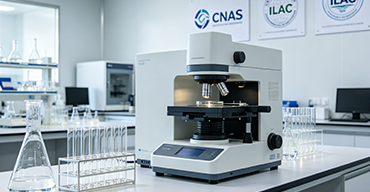
ZHONGXI Testing has obtained inspection qualification certifications from multiple countries and regions worldwide. We possess a senior testing team and advanced testing methods, providing independent, impartial, and professional third-party verification services for global carbon projects.
Internationally recognized authority
Certified by multiple international standards such as CNAS, VCS, and GS, with reports universally applicable worldwide.

Global service capability
Covering 140+ countries and regions, it supports on-site detection and remote verification in multiple languages.

Professional experimental methods
Adopt standard experimental methods to ensure accurate and reliable data.
High-Resolution Anti-Nuclear Antibody (ANA) Testing: Advanced Serological Profiling for Autoimmune Diagnosis
Anti-nuclear antibody (ANA) testing represents a cornerstone in the diagnostic workup of systemic autoimmune rheumatic diseases, including systemic lupus erythematosus (SLE), Sjögren’s syndrome, systemic sclerosis, and mixed connective tissue disease. The detection of these autoantibodies, which target a diverse array of nuclear and cytoplasmic antigens, is not merely a screening tool but a critical determinant of disease classification, prognosis, and therapeutic decision-making. Clinicians and researchers alike seek ANA testing with the explicit objective of obtaining a definitive, quantitative, and pattern-specific serological profile that can guide differential diagnosis and monitor disease activity over time. Our advanced laboratory services are meticulously designed to meet this clinical and scientific demand, delivering the highest level of analytical depth and interpretative accuracy.
The Clinical Rationale for Comprehensive ANA Profiling
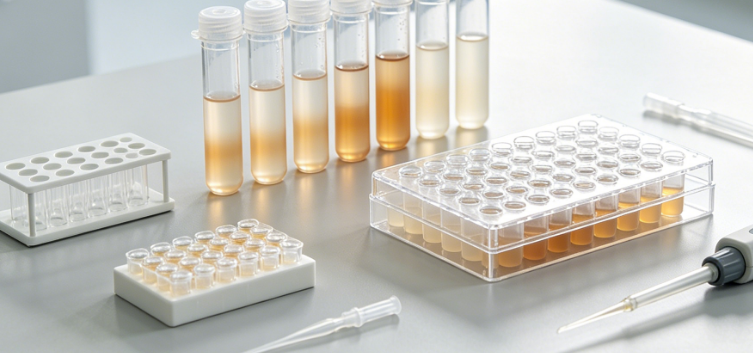
The traditional indirect immunofluorescence assay (IIFA) on HEp-2 cells remains the gold standard for initial ANA screening due to its ability to detect over 100 different nuclear and cytoplasmic autoantibodies in a single assay. However, a positive IIFA result—reported as a titre and a fluorescent pattern (e.g., homogeneous, speckled, nucleolar, or centromere)—requires further characterization to identify the specific target antigens. This is because distinct autoantibodies correlate with specific clinical phenotypes and carry different prognostic weights. For instance, anti-dsDNA antibodies are highly specific for SLE and are associated with lupus nephritis, whereas anti-Scl-70 (topoisomerase I) antibodies are hallmarks of diffuse systemic sclerosis. Our laboratory provides a fully integrated, stepwise testing algorithm that begins with high-sensitivity IIFA screening and proceeds, when indicated, to solid-phase multiplex assays for the simultaneous detection of more than 20 specific extractable nuclear antigens (ENAs), including Sm, RNP, Ro/SS-A, La/SS-B, Jo-1, and centromere protein B. This integrated approach minimizes false-positive rates and maximizes diagnostic yield, ensuring that clinicians receive actionable, disease-relevant information.
Our Analytical Capabilities: Beyond Conventional ANA Detection
Our facility is equipped with state-of-the-art platforms that transcend traditional ANA testing in both sensitivity and specificity. For IIFA, we employ automated image acquisition and pattern-recognition software that utilizes deep-learning algorithms to classify fluorescence patterns with >98% concordance with expert microscopists, while also providing quantitative fluorescence intensity (FI) units that correlate with antibody titres in a continuous, linear range. This allows for precise monitoring of titre fluctuations in longitudinal samples, which is essential for assessing therapeutic response and predicting disease flares. Furthermore, our confirmatory testing relies on multiplex bead-based flow immunoassay (MBFIA) and chemiluminescent immunoassay (CLIA) platforms that offer superior analytical sensitivity (limits of detection in the sub-ng/mL range) and a dynamic range spanning four orders of magnitude, eliminating the need for sample dilution in most cases. We also offer line immunoassay (LIA) for parallel detection of multiple autoantibodies with confirmatory immunoblotting, providing an orthogonal method for discordant or equivocal results.
For research-oriented clients and complex diagnostic cases, we deploy addressable laser bead immunoassay (ALBIA) for quantitative profiling of anti-nucleosome, anti-histone, and anti-ribosomal P antibodies—analytes that are often overlooked by routine ENA panels but carry significant clinical relevance in drug-induced lupus and neuropsychiatric SLE. Additionally, we have developed and validated a novel high-density antigen microarray that profiles IgG and IgA antibodies against over 120 nuclear and cytoplasmic antigens in a single micro-volume sample, enabling the discovery of novel autoantibody signatures and providing an unparalleled data-rich output for translational research. This platform, which is currently available exclusively through our laboratory, employs robust internal quality controls and calibrators to ensure day-to-day and inter-lot reproducibility.
Regulatory Compliance and Quality Assurance
All our ANA testing methodologies are performed under a rigorous quality management system that adheres to the Clinical Laboratory Improvement Amendments (CLIA) '88 and the College of American Pathologists (CAP) accreditation requirements. We participate in external proficiency testing programs, including those from the Centers for Disease Control and Prevention (CDC) and the American College of Rheumatology (ACR), ensuring our results are consistently aligned with international consensus standards. Each assay batch is subjected to multiple levels of internal quality controls, including negative and positive serum pools, titration controls, and antigen-specific inhibition tests. Our validation protocols follow the CLSI I/LA20-A2 guidelines for autoantibody testing, with comprehensive assessment of precision (intra- and inter-assay CV <5% for quantitative methods), linearity, limit of blank, and interference studies from common serum components such as bilirubin, haemoglobin, and lipids. We also provide clinical interpretive reports that include not only the numerical results and reference intervals but also a concise narrative on the clinical significance of each detected autoantibody, its disease association, and recommended follow-up testing—a service that significantly reduces the burden on ordering physicians.
Our Distinctive Advantages in Autoantibody Serology
Our laboratory distinguishes itself through several key differentiators that directly benefit our clients. First, we operate a dual-platform approach (IIFA plus multiplex antigen arrays) with reflex testing algorithms customized to each patient's clinical presentation. This avoids the pitfalls of standalone screening or standalone confirmatory testing, delivering a complete serological picture in a single, coordinated workflow. Second, our scientific team includes board-certified clinical immunologists and pathologists with subspecialty training in autoimmune diseases, who review every positive or borderline result and are available for direct consultation to discuss complex cases. Third, we have implemented a fully automated sample processing and tracking system with integrated barcode verification and chain-of-custody documentation, eliminating pre-analytical errors and ensuring traceability from sample reception to final report. Our average turnaround time for complete ANA profiling (screening plus confirmatory panel) is less than 48 hours from sample receipt, with expedited 24-hour options for urgent cases.
Fourth, we offer a comprehensive reflex-to-avidity assay for anti-dsDNA and anti-C1q antibodies, providing information on antibody functional affinity—a parameter that has been shown to correlate more closely with nephritogenic activity than titre alone. This advanced parameter is not routinely available in most clinical laboratories and adds a dimension of depth to our SLE monitoring panel. Fifth, our data management system enables longitudinal trend analysis with automatic flagging of significant titre changes or new antibody appearance, facilitating proactive clinical intervention. For research collaborators, we provide raw data exports with full instrument metadata, enabling deep biostatistical analyses and publication-quality graphics.
Sample Types and Clinical Applications
Our ANA testing services are validated for multiple specimen types, including serum, plasma (EDTA, heparin, or citrate), and cerebrospinal fluid (CSF) for neurological presentations. For paediatric patients and those with difficult venous access, we have validated protocols for dried blood spots (DBS) with equivalent performance characteristics, extending testing accessibility without compromising accuracy. Clinical applications span primary diagnostics, pre-surgical risk assessment (e.g., for drug-induced lupus in patients starting anti-TNF therapy), monitoring of disease relapse, and evaluation of treatment efficacy in clinical trials. We also offer custom assay development for pharmaceutical companies investigating immunogenicity or biomarker endpoints in autoimmune drug development, including the qualification of anti-drug antibodies (ADA) with minimal interference from pre-existing autoantibodies.
Continuous Innovation and Collaborative Research
We maintain active research collaborations with academic rheumatology units to advance the field of autoantibody serology. Our current research pipeline includes the application of native antigen purification and cell-based assays (CBA) for detection of anti-DFS70 and anti-MDA5 antibodies—autoantibodies with growing diagnostic and prognostic significance. We are also pioneering the use of surface plasmon resonance (SPR) for real-time kinetic analysis of antibody-antigen interactions, providing not only binding quantity but also affinity and avidity distribution, which could lead to better risk stratification in autoimmune patients. Our commitment to innovation is supported by internal research grants and a dedicated R&D unit that translates emerging scientific discoveries into validated clinical assays, ensuring our test menu remains at the forefront of autoimmune diagnostics.
Engagement and Client Support
We understand that ordering ANA testing often involves complex clinical questions and that interpreting the results requires nuanced understanding of autoimmune pathology. Therefore, we provide each client with a direct line of communication to our clinical consulting team, who can discuss assay characteristics, result interpretation, and recommend additional tests (e.g., complement levels, anti-phospholipid antibodies, or cryoglobulins) based on the serological profile. We also offer educational webinars and detailed technical bulletins on the latest ANA testing guidelines, including the 2022 ACR/EULAR classification criteria updates. Our client portal allows secure, HIPAA-compliant access to all reports, with options for automated data export to electronic health records. For high-volume clients, we provide tailored panel designs and volume-based service agreements, ensuring cost-efficiency without sacrificing quality.
Conclusion: Elevating ANA Testing to a Precision Diagnostic Art
In essence, anti-nuclear antibody testing has evolved from a simple binary screening test to a sophisticated, multi-parametric serological discipline that demands technological excellence, clinical acumen, and operational reliability. Our laboratory delivers precisely this integrated service—combining state-of-the-art instrumentation, reflexive testing algorithms, expert clinical oversight, and a steadfast commitment to quality. We empower clinicians with the precise autoantibody signatures required to diagnose, subclassify, and monitor systemic autoimmune conditions with confidence. Whether the clinical need is a routine ANA screen for a patient with arthralgias and rash, or a comprehensive autoantibody mapping for a patient with an overlap syndrome, our services are tailored to provide the highest levels of sensitivity, specificity, and interpretative clarity.
We are your dedicated partner in autoimmune serology. By choosing our laboratory, you gain access to a testing resource that not only delivers accurate and timely results but also contributes to improved patient outcomes through enhanced diagnostic precision and clinical guidance. We invite you to explore our full ANA testing menu and to contact our scientific team to discuss how we can support your clinical or research objectives with our advanced serological capabilities.