Reasons for choosing our testing services
ZHONGXI Testing has obtained inspection qualification certifications from multiple countries and regions worldwide. We possess a senior testing team and advanced testing methods, providing independent, impartial, and professional third-party verification services for global carbon projects.
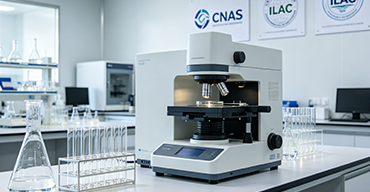
Internationally recognized authority
Certified by multiple international standards such as CNAS, VCS, and GS, with reports universally applicable worldwide.

Global service capability
Covering 140+ countries and regions, it supports on-site detection and remote verification in multiple languages.
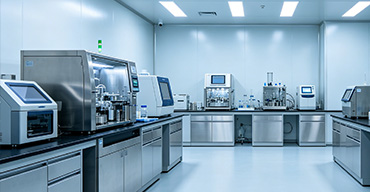
Professional experimental methods
Adopt standard experimental methods to ensure accurate and reliable data.
Advanced Thyroid Hormone Testing: High-Resolution Profiling for Precision Endocrinology and Metabolic Assessment
Thyroid hormone testing constitutes a fundamental pillar of clinical endocrinology, underpinning the diagnosis, treatment monitoring, and long-term management of a wide spectrum of thyroid disorders, including hypothyroidism, hyperthyroidism, subclinical dysfunction, and thyroid autoimmune disease. Beyond the routine assessment of TSH and free T4, contemporary endocrinology demands a far more nuanced understanding of the hypothalamic-pituitary-thyroid (HPT) axis, encompassing the evaluation of deiodinase activity, reverse T3 (rT3) metabolism, thyroid hormone binding protein status, and the emerging role of thyroid hormone analogues. Clinicians and researchers seek thyroid hormone testing not merely to confirm a diagnosis, but to achieve a functional, dynamic characterisation of individual thyroid homeostasis, enabling tailored therapeutic strategies and precise monitoring of treatment response. Our laboratory offers a comprehensive, multi-tiered thyroid testing service that integrates ultrasensitive immunoassays, mass spectrometric confirmation, and advanced kinetic modelling, delivering an unparalleled depth of insight into thyroid physiology and pathology.
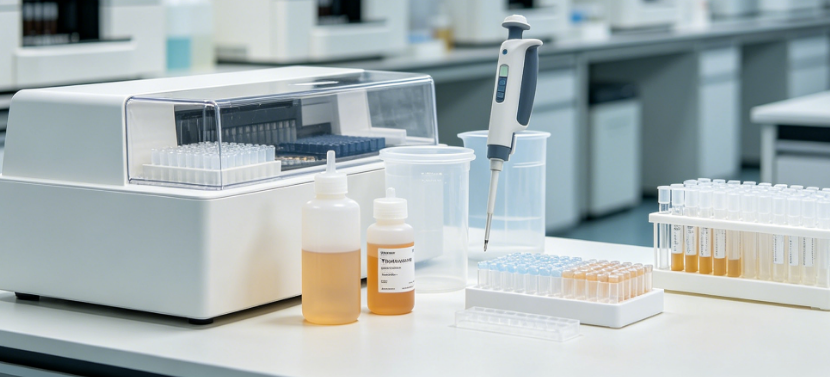
The Clinical Imperative for Extended Thyroid Panels
Conventional thyroid testing—typically comprising TSH, free T4 (fT4), and sometimes free T3 (fT3)—provides a useful initial screen but can be insufficient in numerous clinical scenarios. Patients with non-thyroidal illness syndrome (euthyroid sick syndrome), those on combination T4/T3 therapy, individuals with binding protein abnormalities, and cases of suspected resistance to thyroid hormone (RTH) require a more extensive panel. Furthermore, the measurement of reverse T3 (rT3) is essential to assess peripheral deiodinase activity, as elevated rT3 in the context of low or normal T3 indicates a shift toward inactivation, often seen in critical illness, chronic stress, or nutritional deficiency. Our standard extended thyroid profile includes TSH (third-generation assay), fT4, fT3, rT3, and thyroglobulin (Tg), with optional add-ons for anti-thyroperoxidase (TPOAb), anti-thyroglobulin (TgAb), and TSH receptor antibodies (TRAb) for autoimmune aetiology. We also offer free thyroxine index (FTI) and calculated T3/T4 ratios to provide a holistic view of peripheral hormone availability and conversion efficiency.
Our Analytical Capabilities: Sensitivity, Specificity, and Multimodal Confirmation
Our primary platform for thyroid hormone measurement is a fully automated, third-generation electrochemiluminescence immunoassay (ECLIA) that achieves a functional sensitivity for TSH of 0.002 mIU/L, with a broad dynamic range up to 100 mIU/L, enabling reliable detection of both profound suppression and marked elevation. For fT4 and fT3, we employ equilibrium dialysis pre-treatment followed by isotope-dilution liquid chromatography-tandem mass spectrometry (LC-MS/MS)—the gold standard reference method, free from common immunoassay interferences such as heterophilic antibodies, biotin, and anti-iodothyronine antibodies. This LC-MS/MS method provides a limit of quantification (LOQ) of 0.1 pmol/L for both fT4 and fT3, with intra-assay CV < 3% and inter-assay CV < 5%, ensuring exceptional accuracy and traceability to international reference materials. For rT3 measurement, our validated LC-MS/MS assay achieves an LOQ of 0.05 ng/dL, with complete chromatographic separation from T3 and other iodothyronines, eliminating cross-reactivity issues that plague immunoassay-based rT3 methods. We further offer total T4 and total T3 measurement by LC-MS/MS for patients with dysalbuminaemia or familial dysalbuminemic hyperthyroxinemia (FDH), where free hormone estimates may be unreliable.
Beyond static concentrations, our laboratory provides kinetic and functional assessments. Using a single, timed sample following a standardised oral T3 challenge (in controlled settings), we measure the rate of TSH suppression and the area under the curve (AUC) of T3 disappearance, offering a dynamic index of tissue responsiveness. Additionally, we deploy thyroid hormone binding capacity (THBC) analysis using a radiolabeled T3 displacement assay to quantify the functional capacity of thyroxine-binding globulin (TBG), transthyretin, and albumin, which can be critical in cases of hereditary binding protein variants. For research applications, we have developed a multiplexed bead array for simultaneous quantification of 12 iodothyronine metabolites, including 3,5-diiodothyronine (3,5-T2) and 3-iodothyronamine (T1AM), providing a metabolomic snapshot of thyroid hormone catabolism that is unavailable elsewhere.
Regulatory Standards and Quality Assurance
All thyroid testing procedures are performed under strict adherence to CLIA '88 and CAP accreditation requirements. Our LC-MS/MS methods are validated according to FDA guidance for bioanalytical method validation, including assessment of matrix effects, recovery, carryover, and stability under various storage and handling conditions. We participate in the Centers for Disease Control and Prevention (CDC) Hormone Standardization Program for TSH and T4, ensuring commutability with reference methods. Each analytical run includes a seven-point calibration curve, three levels of commercial and in-house quality controls, and blank samples to monitor for contamination. For immunoassay platforms, we implement a rigorous blocking reagent protocol to neutralise heterophilic antibody interference, and we routinely screen for biotin interference by performing a dilutional linearity test on all samples with atypical results. Our reporting system provides a comprehensive interpretive narrative, integrating the hormonal profile with clinical parameters, including calculated indices such as the TSH/fT4 ratio and the T3/rT3 ratio, which serve as surrogate markers of peripheral deiodinase activity and have been correlated with metabolic rate and clinical outcomes.
Our Distinctive Advantages in Thyroid Diagnostics
Our laboratory is distinguished by several unique attributes that directly enhance clinical decision-making. First, our dual-platform strategy (ECLIA for screening and LC-MS/MS for confirmatory and specialised testing) ensures that every result is both rapidly available and definitively accurate. This hybrid model is particularly valuable in cases of assay discrepancy or when a patient’s clinical picture does not correlate with immunoassay results. Second, we offer reflex testing algorithms that automatically initiate rT3 measurement when fT3 is in the low-normal range with a suppressed TSH, or when TPOAb is positive, to explore subclinical autoimmune thyroiditis. This reduces the need for repeat venepuncture and accelerates the diagnostic pathway.
Third, our kinetic and binding capacity assessments are not offered as routine by any major commercial laboratory, yet they provide crucial information for challenging cases, such as patients with persistent symptoms despite normal routine thyroid tests, or those with suspected thyroid hormone resistance syndromes. Fourth, we provide integrated longitudinal monitoring dashboards that plot serial measurements of TSH, fT4, fT3, and rT3, with statistical process control charts to detect clinically significant shifts (e.g., >20% change from baseline). This feature is indispensable for managing patients on thyroid hormone replacement, where dose titration aims to restore a euthyroid state across all parameters, not merely TSH normalisation. Fifth, our expert endocrine consultants are available for direct consultation, offering interpretation of complex profiles, advice on additional testing (e.g., TRH stimulation or thyroglobulin doubling time), and recommendations for harmonising laboratory data with clinical guidelines such as those from the American Thyroid Association (ATA) and the European Thyroid Association (ETA).
Specimen Types and Clinical Applications
Our thyroid hormone testing is validated on serum, plasma (heparin, EDTA), and for research purposes, on dried blood spots (DBS) with equivalent performance for TSH and T4 after appropriate correction for haematocrit. We also offer fine-needle aspiration (FNA) washout thyroglobulin measurement for the evaluation of cervical lymph node metastases in differentiated thyroid cancer, using an ultrasensitive LC-MS/MS method with an LOQ of 0.01 ng/mL. Clinical applications span primary hypothyroidism screening in high-risk populations (e.g., pregnant women, elderly, and those with autoimmune diseases), differential diagnosis of thyrotoxicosis (Graves’ disease vs. toxic nodular goitre vs. thyroiditis), monitoring of thyroid hormone replacement or suppression therapy, and workup of infertility, cardiovascular risk, and psychiatric disorders where thyroid dysfunction is a frequent comorbidity. Our service is also critical in the context of anti-thyroid drug therapy, where we monitor for the rebound of TSH and the evolution of autoantibody titres.
Commitment to Innovation and Translational Research
We maintain a robust research and development pipeline to continually advance thyroid diagnostics. Ongoing projects include the implementation of mass spectrometry imaging (MSI) to map thyroid hormone distribution in tissue biopsies, and the development of a machine-learning algorithm that integrates hormonal, autoantibody, and clinical data to predict individual therapeutic response to levothyroxine or liothyronine. We are also collaborating with academic groups to establish population-specific reference intervals for thyroid hormones across diverse ethnicities and age groups, addressing the limitations of current harmonised intervals. Our findings are regularly presented at international endocrinology conferences and published in peer-reviewed journals, ensuring that our test offerings are evidence-based and aligned with the forefront of scientific knowledge.
Client-Centric Service Model and Support
We understand that thyroid hormone testing is frequently ordered in primary care, but its interpretation often requires specialist expertise. Therefore, we provide all referring clinicians with educational materials, decision support tools, and direct access to our specialist hotline for any questions regarding test selection, result interpretation, or follow-up recommendations. Our electronic reporting system includes hyperlinks to dynamic clinical calculators, such as the thyroid-related quality of life (ThyPRO) score and the cardiovascular risk estimator, contextualising the laboratory results within the patient’s overall health. For large-scale screening programmes or multi-centre trials, we offer dedicated project management, customised panel design, and batch statistical analysis with annual summary reports. Our logistics team ensures reliable sample transport with temperature monitoring and rapid turnaround—routine results are available within 24 hours, while STAT and complex panels are delivered in 12 hours. Our pricing is transparent, competitive, and includes free collection kits and courier services for high-volume clients.
Conclusion: Thyroid Hormone Testing Reimagined as a Comprehensive Biomarker System
Thyroid hormone testing, when elevated to a comprehensive, high-resolution, and multimodal analysis, transcends its traditional role as a simple diagnostic gatekeeper. It becomes a sophisticated biomarker system that illuminates the intricate dynamics of the HPT axis, peripheral hormone metabolism, and autoimmune influences. Our laboratory has built this exact ecosystem—integrating ultrasensitive immunoassay, reference-method LC-MS/MS, kinetic functional assays, and expert clinical interpretation—to empower clinicians with the most complete and accurate thyroid profile available. Whether the clinical question is a routine screen for fatigue, a complex case of treatment-resistant hypothyroidism, or a research endpoint in a thyroid drug trial, our services deliver the depth, precision, and reliability required for confident decision-making.
We invite you to utilise our advanced thyroid testing services. Our experienced endocrine scientists and clinical consultants are ready to partner with you, providing not only laboratory results but also the scientific context and actionable insights to optimise patient care. By choosing our laboratory, you gain a dedicated ally in the pursuit of thyroid health, supported by cutting-edge technology, rigorous quality, and an unwavering commitment to clinical excellence.