Reasons for choosing our testing services
ZHONGXI Testing has obtained inspection qualification certifications from multiple countries and regions worldwide. We possess a senior testing team and advanced testing methods, providing independent, impartial, and professional third-party verification services for global carbon projects.

Internationally recognized authority
Certified by multiple international standards such as CNAS, VCS, and GS, with reports universally applicable worldwide.

Global service capability
Covering 140+ countries and regions, it supports on-site detection and remote verification in multiple languages.

Professional experimental methods
Adopt standard experimental methods to ensure accurate and reliable data.
Advanced Insulin Testing: High-Resolution Chemiluminescent and Mass Spectrometric Profiling for Diabetes, Metabolic Syndrome, and Hypoglycaemia Evaluation
Insulin testing is an essential component of modern endocrinology, with direct implications for the diagnosis and management of diabetes mellitus, insulin resistance, metabolic syndrome, hypoglycaemic disorders, and the monitoring of pancreatic beta‑cell function. However, the complexity of insulin biology—including its dynamic secretion patterns, hepatic extraction, binding to antibodies, and the presence of proinsulin and its cleavage products—means that a simple random insulin measurement often provides incomplete or misleading information. Clinicians and researchers require a testing service that delivers not only accurate and specific quantification of intact insulin but also integrates provocative testing, assessment of insulin resistance and sensitivity, and differentiation from its precursors and analogues. Our laboratory provides a comprehensive, multi‑modality insulin testing programme using ultrasensitive chemiluminescent immunoassays, isotope‑dilution liquid chromatography‑tandem mass spectrometry (LC‑MS/MS), and standardised dynamic challenge protocols, offering the analytical depth and clinical clarity needed for precise metabolic assessment.
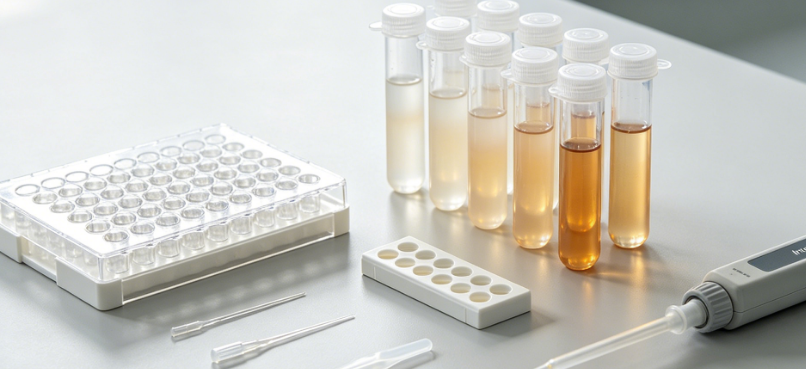
The Clinical Rationale for Integrated Insulin Profiling
Routine measurement of fasting insulin is useful for evaluating insulin resistance (e.g., in polycystic ovary syndrome or obesity) and for calculating indices such as HOMA‑IR (Homeostatic Model Assessment of Insulin Resistance). However, insulin is secreted in a biphasic pattern, and its concentration is heavily influenced by prandial state, insulin antibodies, and renal function. Our standard insulin panel includes fasting and post‑stimulation intact insulin measured by a highly specific, monoclonal antibody‑based chemiluminescence assay with negligible cross‑reactivity to proinsulin, C‑peptide, and insulin analogues. We concurrently measure C‑peptide—a stable byproduct of insulin synthesis that reflects beta‑cell secretion independent of hepatic extraction—providing a critical adjunct to interpret insulin levels in patients on exogenous insulin therapy or those with anti‑insulin antibodies. For a complete metabolic snapshot, our panel also includes proinsulin (by a specific immunoassay) and insulin‑like growth factor‑1 (IGF‑1) when indicated, to differentiate between endogenous and exogenous hyperinsulinaemia and to rule out factitious hypoglycaemia.
Recognising that static measurements are insufficient for dynamic assessment, we offer standardised oral glucose tolerance tests (OGTT) with insulin sampling (0, 30, 60, 90, and 120 minutes), from which we calculate the insulinogenic index (early phase secretion), the Matsuda index (insulin sensitivity), and the oral disposition index (beta‑cell function relative to sensitivity). For evaluation of insulinoma or unexplained hypoglycaemia, we perform prolonged fast tests (up to 72 hours) with serial measurements of insulin, C‑peptide, proinsulin, and β‑hydroxybutyrate, under close medical supervision. Additionally, we provide arginine or glucagon stimulation tests to assess beta‑cell reserve in patients with suspected type 1 diabetes or post‑pancreatectomy status. All dynamic protocols include real‑time glucose monitoring and safety algorithms, with results reported as time‑series curves, peak values, and integrated pharmacokinetic parameters such as the area under the curve (AUC) and the early‑phase insulin release (ΔI30/ΔG30).
Our Analytical Capabilities: Specificity, Sensitivity, and Analogue Discrimination
Our primary insulin assay is a fully automated two‑site sandwich chemiluminescent immunoassay that has been rigorously validated to have a limit of quantification (LOQ) of 0.5 µIU/mL (equivalent to ~3 pmol/L) and a dynamic range up to 1,000 µIU/mL. This assay uses highly specific monoclonal antibodies directed against the B‑chain and A‑chain of intact human insulin, showing <0.1% cross‑reactivity with proinsulin, C‑peptide, and common insulin analogues (lispro, aspart, glargine, degludec). For confirmation of discordant results, particularly when anti‑insulin antibodies or macro‑insulin complexes are suspected, we deploy a LC‑MS/MS method with immunoaffinity enrichment and isotope‑labelled internal standards. This confirmatory method achieves an LOQ of 1 µIU/mL and allows simultaneous quantification of insulin and its major metabolites, as well as the detection of exogenous insulin analogues that may not be fully captured by immunoassays. For C‑peptide, we use a separate electrochemiluminescence assay with an LOQ of 0.01 ng/mL, which is essential for patients with insulin‑treated diabetes where exogenous insulin suppresses endogenous secretion.
We further offer proinsulin measurement by a specific, high‑sensitivity ELISA with an LOQ of 0.2 pmol/L, enabling the detection of proinsulin‑predominant hypersecretion, a hallmark of insulinomas and familial hyperproinsulinaemia. Our laboratory also calculates the insulin‑to‑C‑peptide ratio and the proinsulin‑to‑insulin ratio, which are valuable in discriminating between insulinoma, factitious hypoglycaemia, and NIPHS (non‑insulinoma pancreatogenous hypoglycaemia syndrome). All measurements are performed using calibrated reference materials traceable to WHO international standards, and we participate in the CDC‑standardised insulin and C‑peptide proficiency programmes to ensure comparability across laboratories and over time.
Regulatory Compliance and Quality Assurance
All insulin testing services are conducted under CLIA '88 and CAP accreditation, with strict compliance with CLSI guideline C37 for immunoassay validation. For dynamic protocols, we follow standardised operational procedures based on the latest Endocrine Society and ADA (American Diabetes Association) recommendations. Each test run includes a multi‑point calibration curve, low‑ and high‑level quality controls, and blank samples to monitor for contamination. We systematically evaluate interference from haemolysis, lipaemia, and biotin, and we have a dedicated protocol for samples from patients on biotin supplements, including a washout period or alternative testing using LC‑MS/MS. Our final reports provide not only numerical values and reference intervals stratified by fasting status, age, and BMI but also a comprehensive interpretive section that includes calculated indices (HOMA‑IR, HOMA‑β, QUICKI, and the Matsuda index) with graphical plots comparing the patient’s profile to normative data. For dynamic tests, we include a timed table and a visual plot of the insulin and glucose responses, along with a clinical comment that highlights whether the response suggests normal insulin secretion, resistance, deficiency, or autonomous hypersecretion.
Our Competitive Advantages in Insulin Testing
Our laboratory differentiates itself through several distinctive features. First, we offer a complete “static + dynamic” service that combines basal insulin, C‑peptide, proinsulin, and glucose with standardised OGTT or prolonged fast protocols, all integrated into a single report. This holistic approach avoids the fragmentation of ordering separate tests and ensures that all parameters are interpreted in context. Second, our dual‑platform strategy (immunoassay for rapid screening and LC‑MS/MS for confirmation and analogue detection) is unique in the commercial setting, enabling us to resolve complex cases where antibody interference or exogenous analogue presence is suspected—for instance, in patients with unexplained hypoglycaemia on insulin analogue therapy.
Third, our dynamic testing services are performed in a dedicated clinical research unit with continuous glucose monitoring and physician oversight, ensuring patient safety and sample integrity. We provide detailed pre‑test instructions, including medication adjustment, fasting requirements, and avoidance of insulin stimulants, to standardise conditions. Fourth, our advanced interpretive algorithms automatically generate the HOMA‑IR, HOMA‑β, Matsuda index, and insulinogenic index, and we also provide a beta‑cell function curve that models the relation between insulin secretion and sensitivity, which is particularly useful in prediabetes and type 2 diabetes research. Fifth, our team of endocrinologists and clinical chemists provides a consultation service to discuss discrepant results, recommend additional testing (e.g., anti‑insulin antibody titres, islet cell autoantibodies), and assist in the differential diagnosis of hypoglycaemic disorders.
Specimen Types and Clinical Applications
Insulin testing is validated on serum and plasma (EDTA, heparin), with strict handling requirements to avoid haemolysis and to ensure rapid separation and freezing for stability—our collection kits include stabilising tubes and detailed protocols. Clinical applications span the evaluation of insulin resistance in metabolic syndrome and PCOS, the diagnosis of type 2 diabetes (especially when differentiating from LADA or MODY), the investigation of spontaneous hypoglycaemia (insulinoma, NIPHS, reactive hypoglycaemia), and the monitoring of insulin therapy in diabetic patients who develop anti‑insulin antibodies. Our dynamic OGTT is also widely used in pregnancy for screening of gestational diabetes and in bariatric surgery candidates for pre‑operative metabolic assessment. We also support pharmacological studies, providing validated assays for insulin and C‑peptide as pharmacokinetic endpoints in trials of new insulin analogues and insulin‑sensitising drugs.
Innovation and Research Integration
We are actively engaged in developing novel biomarkers of beta‑cell function, such as the measurement of intact proinsulin and its processing intermediates by mass spectrometry, which may offer higher specificity for early beta‑cell stress. We are also validating a non‑fasting insulin sensitivity index based on a single oral glucose challenge and a minimal model algorithm, which could simplify outpatient assessment. Our research collaborations with academic centres generate updated reference intervals and diagnostic cut‑offs for diverse ethnic populations. We regularly publish our methodological improvements and clinical validations in peer‑reviewed journals, ensuring our services remain at the forefront of evidence‑based practice.
Client Support and Service Model
We provide a comprehensive support system from test ordering to result delivery. For dynamic tests, our dedicated coordinators assist with scheduling, send patient preparation materials, and provide direct phone support during the test. Our standard turnaround time for basal insulin, C‑peptide, and proinsulin is 24 hours, while dynamic panels are delivered within 48 hours after test completion. All reports are available via a secure electronic portal with trend visualisation for serial monitoring. We offer volume‑based pricing, free shipping kits, and personalised account management for high‑volume clients. Educational materials, including interpretation guides and case studies, are available to enhance clinicians’ understanding of insulin physiology and testing strategies.
Conclusion: Insulin Testing as a Comprehensive Metabolic Diagnostic Tool
Insulin testing, when performed with high analytical specificity, dynamic functional integration, and expert interpretation, moves beyond a simple hormonal measurement to become a comprehensive window into glucose metabolism and beta‑cell health. Our laboratory delivers this integrated solution—combining ultrasensitive immunoassay, confirmatory mass spectrometry, standardised dynamic protocols, and clinician‑friendly interpretive reports—to support accurate diagnosis, tailored therapy, and improved patient outcomes in diabetes, metabolic syndrome, and hypoglycaemic disorders. Whether the clinical question involves assessing insulin resistance, diagnosing an insulinoma, or optimising diabetic therapy, our services provide the accuracy and depth required for confident clinical decisions.
We invite you to partner with us for your insulin testing needs. Our expert team is ready to assist with test selection, dynamic test coordination, and result interpretation, ensuring you receive not only reliable data but also actionable insights to advance patient care. Choose our laboratory for excellence in metabolic endocrinology, underpinned by rigorous science, technological innovation, and unwavering commitment to quality.