Reasons for choosing our testing services
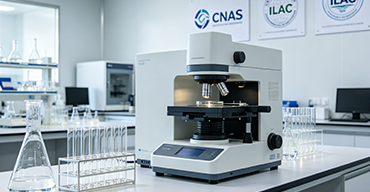
ZHONGXI Testing has obtained inspection qualification certifications from multiple countries and regions worldwide. We possess a senior testing team and advanced testing methods, providing independent, impartial, and professional third-party verification services for global carbon projects.
Internationally recognized authority
Certified by multiple international standards such as CNAS, VCS, and GS, with reports universally applicable worldwide.

Global service capability
Covering 140+ countries and regions, it supports on-site detection and remote verification in multiple languages.

Professional experimental methods
Adopt standard experimental methods to ensure accurate and reliable data.
Advanced Plant Polysaccharide Bioactivity Testing: Comprehensive In Vitro, Cell‑Based, and In Vivo Functional Profiling for Nutraceutical and Pharmaceutical Development
Plant polysaccharides—including β‑glucans, pectins, arabinogalactans, xylans, and mannans—exhibit a wide spectrum of biological activities, including immunomodulation, antioxidant, anti‑inflammatory, antitumour, hypoglycaemic, and prebiotic effects. However, the bioactivity of these macromolecules is highly dependent on their molecular weight, degree of branching, monosaccharide composition, glycosidic linkages, and conformational structure. Researchers and product developers seek plant polysaccharide activity testing not merely to confirm the presence of these compounds, but to rigorously characterise their functional efficacy, potency, and mechanism of action under physiologically relevant conditions. Our laboratory provides a comprehensive, multi‑tiered plant polysaccharide activity testing service that integrates advanced physicochemical characterisation, in vitro cell‑based functional assays, enzymatic digestion simulations, and validated in vivo efficacy models, delivering an unparalleled depth of biological and functional insight for quality control, product development, and regulatory submission.
The Scientific Rationale for Multi‑Parameter Polysaccharide Bioactivity Profiling
Conventional testing of plant polysaccharides often focuses solely on total carbohydrate content or simple antioxidant assays (e.g., DPPH, ABTS) performed in cell‑free systems. While these provide basic preliminary data, they fail to reflect the complex, receptor‑mediated mechanisms by which most polysaccharides exert their biological effects, such as binding to Toll‑like receptors (TLRs), Dectin‑1, or scavenger receptors on immune cells, or modulating the gut microbiota and short‑chain fatty acid production. Moreover, the bioactivity of a polysaccharide is intrinsically linked to its structural integrity, which can be compromised by extraction, purification, or formulation processes. Our core bioactivity testing panel includes immunomodulatory activity assays (macrophage phagocytosis, cytokine release profile for IL‑6, TNF‑α, IL‑10, and IL‑1β, and NF‑κB reporter gene activation), antioxidant activity in cellular models (intracellular ROS scavenging in HepG2 or RAW 264.7 cells, Nrf2‑ARE luciferase reporter, and lipid peroxidation inhibition), anti‑inflammatory activity (LPS‑induced NO and PGE2 suppression, and inhibition of COX‑2 and iNOS expression), and prebiotic activity (faecal microbiota fermentation with short‑chain fatty acid quantification and 16S rRNA sequencing for microbiome modulation). In addition, we perform enzymatic digestibility assays using simulated gastric, intestinal, and colonic fluids to assess stability and bioavailability, which are critical for oral formulation development.
Our Analytical Capabilities: Structural and Functional Integration
Before functional testing, we conduct a thorough physicochemical characterisation of the polysaccharide sample using a suite of state‑of‑the‑art analytical techniques. This includes monosaccharide composition analysis by high‑performance anion‑exchange chromatography with pulsed amperometric detection (HPAEC‑PAD) after acid hydrolysis, molecular weight distribution by high‑performance size‑exclusion chromatography with multi‑angle light scattering (HPSEC‑MALS) to determine absolute molecular weight (Mw), number‑average molecular weight (Mn), and polydispersity, glycosidic linkage analysis by methylation/GC‑MS, and confirmation of the primary structure by Fourier‑transform infrared (FTIR) and nuclear magnetic resonance (NMR) spectroscopy. This characterisation is essential because bioactivity correlates with specific structural features—for example, β‑(1→3)‑(1→6)‑glucans with high degree of branching are more potent immunostimulants than linear ones, while low‑methoxy pectins exhibit superior prebiotic and anti‑inflammatory activities.
For immunomodulatory bioactivity, we use a combination of human and murine cell lines (THP‑1 differentiated macrophages, RAW 264.7, and primary human PBMCs) to assess both innate and adaptive responses. We measure cytokine secretion by multiplex ELISA, phagocytic activity by flow cytometry, and surface marker expression (CD80, CD86, MHC‑II) to evaluate macrophage activation polarisation (M1 vs. M2). Our NF‑κB reporter assay using stably transfected HEK‑293 cells provides a quantitative measure of the signalling pathway activation potential, with a limit of detection for bioactive polysaccharide concentration as low as 1 µg/mL and a dynamic range spanning three orders of magnitude. For antioxidant activity in cellular models, we quantify intracellular ROS generation using DCFH‑DA and mitochondrial superoxide using MitoSOX, and we measure the protein expression of Nrf2 and its downstream target HO‑1 by Western blot, providing mechanistic evidence of the antioxidant cascade. Our anti‑inflammatory assays evaluate the reduction of LPS‑induced nitric oxide (Griess assay), prostaglandin E2 (ELISA), and the expression of pro‑inflammatory cytokines at both the protein and mRNA (qRT‑PCR) levels.
For prebiotic activity, we perform in vitro fermentation using a validated, anaerobic human faecal microbiota culture model, with sampling at 0, 6, 12, 24, and 48 hours. We quantify the production of short‑chain fatty acids (SCFA: acetate, propionate, butyrate, and valerate) by gas chromatography‑flame ionisation detection (GC‑FID), and we analyse changes in microbial composition using 16S rRNA amplicon sequencing with full‑length or V3‑V4 regions, providing a comprehensive view of the polysaccharide's impact on the gut ecosystem. Furthermore, we offer in vivo bioactivity testing in murine models (e.g., immunosuppressed, diabetic, or obese models) with validated endpoints including immune cell phenotyping, serum cytokine profiling, histopathology of target organs, and metabolic parameters (blood glucose, lipid profile, insulin sensitivity), all conducted under IACUC‑approved protocols.
Regulatory Compliance and Quality Assurance
All our plant polysaccharide activity testing services are conducted in compliance with OECD principles of Good Laboratory Practice (GLP) where applicable, and we adhere to ISO/IEC 17025 accreditation for physicochemical methods. Cell‑based assays are performed under strict aseptic conditions with extensive quality controls, including cell line authentication, Mycoplasma testing, and batch‑to‑batch consistency verification using reference polysaccharide standards (e.g., lentinan, curdlan, or inulin). Each experiment includes appropriate controls (positive controls such as LPS for immunostimulation, negative controls, vehicle controls, and blank samples). We also perform spike‑recovery tests to assess matrix interference from complex plant extracts. For all assays, we provide detailed experimental protocols, raw data, statistical analysis (including IC50/EC50 values with 95% confidence intervals), and a comprehensive interpretive report. The report includes a bioactivity score matrix that summarises the performance of the sample across all tested parameters, along with a comparative benchmarking against our extensive internal database of reference polysaccharides, enabling clients to assess the relative potency of their material.
Our Distinctive Advantages in Plant Polysaccharide Bioactivity Testing
Our laboratory offers several unique attributes that directly address the unmet needs in plant polysaccharide evaluation. First, we provide a truly integrated “structure‑function” service that begins with detailed physicochemical characterisation and proceeds to multiple orthogonal functional assays, all interpreted within the context of structural parameters—this is essential for understanding the molecular basis of activity and for guiding process optimisation. Second, our cell‑based functional assays include both human and murine systems, allowing for cross‑species comparison and better prediction of efficacy in humans, which is a significant advantage for clients targeting the nutraceutical and pharmaceutical markets. Third, we offer customised panel design; clients can select from a suite of over 30 bioactivity endpoints, including specific immune pathways (e.g., TLR2/4/6, Dectin‑1, Mincle), specific metabolic activities (α‑glucosidase inhibition, pancreatic lipase inhibition), and even anti‑angiogenic or anti‑metastatic assays using 3D tumour spheroid models, based on the intended application of the polysaccharide.
Fourth, our prebiotic fermentation and microbiome profiling are performed using a validated, standardised donor pool that reduces inter‑individual variability, and we provide a detailed taxonomic and functional prediction analysis (PICRUSt2) to infer the metabolic potential of the modulated microbiome. Fifth, we offer in vivo efficacy studies with customisable disease models (e.g., chemically induced colitis, high‑fat diet‑induced obesity, or cyclophosphamide‑induced immunosuppression), and we include histopathological scoring by a board‑certified pathologist and pharmacokinetic tracking of polysaccharide‑specific markers if required. Our expert team, comprising carbohydrate chemists, immunologists, and pharmacologists, is available for consultative discussions to design a testing strategy that aligns with the client's regulatory goals (e.g., GRAS notification, novel food application, or Investigational New Drug submission) and to interpret complex, multi‑modal data sets.
Sample Types and Application Domains
Our plant polysaccharide activity testing is validated on purified polysaccharide fractions, crude plant extracts, formulated powders, capsules, and liquid preparations, as well as on polysaccharide‑containing food matrices (with appropriate sample clean‑up and extraction). Clinical applications and research domains span quality control for natural product manufacturers, functional food and dietary supplement development, pharmaceutical excipient evaluation, cosmetic ingredient efficacy testing, and academic research on structure‑activity relationships. We also support the development of polysaccharide‑based biomaterials for wound healing and drug delivery, where bioactivity in terms of cell proliferation, migration, and collagen synthesis is assessed.
Innovation and Research Collaborations
We are at the forefront of developing high‑throughput microfluidic platforms for rapid bioactivity screening of polysaccharide libraries, and we are validating a machine‑learning model that predicts immunomodulatory activity from structural features (Mw, branching degree, monosaccharide ratios) to accelerate lead selection. Our research collaborations with academic institutions contribute to the elucidation of novel polysaccharide receptors and signalling pathways, and we regularly publish our methodological advancements in journals such as Carbohydrate Polymers and Journal of Ethnopharmacology, ensuring our testing services remain evidence‑based and state‑of‑the‑art.
Client Engagement and Service Model
We provide a seamless, client‑centred experience from initial consultation to final report. Upon project initiation, we assign a dedicated scientific project manager who works closely with the client to define the testing objectives, select the appropriate assays, and establish acceptance criteria. We offer flexible sample submission, including international shipping protocols to maintain sample integrity (freeze‑dried, refrigerated, or ambient, as appropriate). Our standard turnaround time for the complete structural + functional panel is 4–6 weeks, with expedited options for urgent projects. All results are delivered via a secure electronic portal with comprehensive data tables, graphs, and a narrative summary. We provide transparent pricing with volume‑based discounts for long‑term collaborations, and we offer free technical consultations to discuss further research directions or formulation improvements based on the results.
Conclusion: Elevating Plant Polysaccharide Testing to a Precision Bioactivity Discipline
Plant polysaccharide bioactivity testing, when conducted with structural resolution, multi‑parametric functional assessment, and physiologically relevant models, evolves from a simple quality check to a strategic tool for product differentiation, efficacy validation, and regulatory compliance. Our laboratory delivers this integrated solution—combining advanced physicochemical characterisation, comprehensive in vitro and cell‑based functional assays, prebiotic fermentation modelling, and validated in vivo efficacy studies, all underpinned by expert scientific interpretation—to empower clients with the actionable data necessary for successful development and market positioning of plant‑derived polysaccharide products. Whether the goal is to substantiate a health claim, optimise an extraction process, or generate preclinical proof‑of‑concept data, our services provide the accuracy, depth, and biological relevance required for confident decision‑making.
We invite you to partner with us for your plant polysaccharide activity testing needs. Our multidisciplinary team is ready to design a customised testing programme that addresses your specific questions and meets your quality and regulatory requirements. Choose our laboratory for excellence in carbohydrate bioactivity analysis, supported by scientific rigour, technological innovation, and an unwavering commitment to advancing the field of natural product functional evaluation.