Reasons for choosing our testing services
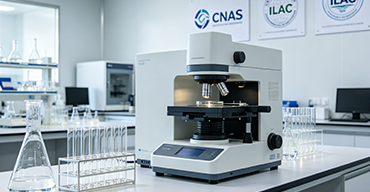
ZHONGXI Testing has obtained inspection qualification certifications from multiple countries and regions worldwide. We possess a senior testing team and advanced testing methods, providing independent, impartial, and professional third-party verification services for global carbon projects.
Internationally recognized authority
Certified by multiple international standards such as CNAS, VCS, and GS, with reports universally applicable worldwide.

Global service capability
Covering 140+ countries and regions, it supports on-site detection and remote verification in multiple languages.

Professional experimental methods
Adopt standard experimental methods to ensure accurate and reliable data.
Professional Lactobacillus plantarum Acid Tolerance Test Service
We understand that you are searching for an acid tolerance test for Lactobacillus plantarum because you need to evaluate probiotic survival through the gastrointestinal tract, optimise fermentation processes at low pH, or validate strain robustness for functional food applications. Our comprehensive acid tolerance and stress response profiling service delivers far more than a simple survival percentage at pH 2.5. We provide a detailed mechanistic and kinetic assessment of acid resistance – from membrane integrity to adaptive responses and sublethal injury repair.
What We Measure – From Survival Rates to Full Acid Stress Physiology
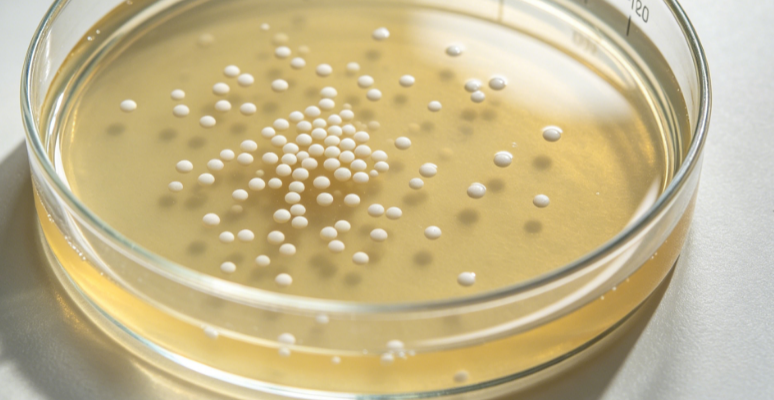
Our standard acid tolerance assay quantifies viable cell counts before and after controlled low‑pH exposure (pH 2.0–4.0, 0–180 minutes) using plate counts on MRS agar. But we go much deeper. We measure sublethal injury using a dual‑plate method (MRS with and without 0.1% bile salts or 3% NaCl) to detect cells that survive acid but are metabolically compromised. Using flow cytometry with SYTO 9 / propidium iodide and carboxyfluorescein diacetate (CFDA), we simultaneously assess membrane integrity, intracellular esterase activity, and membrane potential – giving you a three‑dimensional viability profile. We also quantify intracellular pH (pHin) using the ratiometric fluorescent probe BCECF-AM to determine how effectively your strain maintains pH homeostasis under external acid challenge.
Advanced Capabilities for Mechanistic Understanding
We work with planktonic cultures, biofilms, freeze‑dried powders, and encapsulated formulations. Our simulated gastrointestinal model (static or dynamic) sequentially exposes cells to gastric juice (pH 2.0–3.0, pepsin) followed by intestinal fluid (pH 6.5–7.0, pancreatin, bile salts) – with real‑time sampling to calculate sequential survival and recovery kinetics. For mechanistic studies, we measure glutamate decarboxylase (GAD) activity (by HPLC quantification of GABA), ATPase activity (H⁺‑ATPase) via phosphate release assay, and cytoplasmic buffering capacity by acid titration of lysed cells. We also perform transcriptional analysis (qPCR) of key acid tolerance genes (gadB, gadC, dltD, clpL, atp operon) before and after acid exposure to correlate gene expression with survival. For strain comparison or process optimisation, we provide D‑values (decimal reduction time) and z‑values – classic food microbiology parameters adapted to probiotic acid tolerance.
What You Receive – Actionable Acid Tolerance Metrics
Your final report includes: percent survival at each pH and time point, log reduction, sublethal injury percentage, pHin gradient (ΔpH), half‑life (t1/2) under acid stress, and a complete time‑kill curve. For simulated digestion, we provide predicted survival through gastric transit (based on average human gastric emptying time) and a probiotic robustness score integrating acid, bile, and pancreatic resistance. We also calculate acid tolerance index (ATI = survival at pH 2.5 / survival at pH 6.5) and, if desired, perform hierarchical clustering comparing your strain against a reference set of L. plantarum strains.
Our Distinct Advantages in L. plantarum Acid Tolerance Testing
1. High throughput screening: Using 96‑well microtiter plates with pH‑controlled buffers, we can test up to 12 strains or 24 conditions (pH, temperature, pre‑adaptation) in a single experiment, delivering results in 3‑5 days. 2. Low detection of sublethal injury: Our CFDA flow cytometry method detects metabolically active but non‑culturable cells – a critical quality attribute for probiotics where recovery in the gut depends on metabolic readiness, not just intact membranes. 3. Anaerobic acid exposure: We perform all low‑pH incubations in an anaerobic chamber (O₂ < 0.5 ppm) to mimic the true gastric environment and avoid oxidative stress artefacts. 4. Adaptation studies: We quantify the acid tolerance response (ATR) by pre‑exposing cells to mildly acidic pH (5.0 or 5.5) before lethal challenge – measuring how much survival improves and which adaptive pathways are activated. 5. Industrial relevance: We test acid tolerance directly from fermented products (yogurt, juice, silage) or after freeze‑drying, providing data that reflect real‑world formulation effects. 6. Regulatory alignment: Our protocols follow FAO/WHO guidelines for probiotic evaluation and EFSA guidance on strain characterisation.
Why Choose Our Service Over Routine Microbiology Labs
Most standard labs only give you a one‑time survival count at a single pH – missing dynamic resistance, sublethal injury, pH homeostasis, and mechanistic insight. We give you the complete physiological picture of how your Lactobacillus plantarum responds to acid stress. Our team includes probiotic microbiologists who understand the nuances of strain‑specific acid tolerance mechanisms (GAD system, proton pump activity, cell envelope modifications). We provide one‑on‑one interpretation and actionable recommendations – such as optimal harvest time, protective excipients, or pre‑adaptation protocols to boost acid survival. No hidden fees for advanced analytics; we deliver a clear, decision‑ready report.
Ready to Evaluate Your Lactobacillus plantarum Acid Tolerance with Precision?
Whether you are formulating a new probiotic, comparing mutant strains, troubleshooting a fermentation, or preparing a regulatory submission, our acid tolerance test provides the depth and reliability you need. Contact us today to discuss your strain, intended application, and specific questions. We offer a free initial consultation, sample submission kits with stabilisation instructions, and a discounted pilot analysis for first‑time clients. Let us help you demonstrate the true acid resilience of your Lactobacillus plantarum.