Reasons for choosing our testing services
ZHONGXI Testing has obtained inspection qualification certifications from multiple countries and regions worldwide. We possess a senior testing team and advanced testing methods, providing independent, impartial, and professional third-party verification services for global carbon projects.
Internationally recognized authority
Certified by multiple international standards such as CNAS, VCS, and GS, with reports universally applicable worldwide.

Global service capability
Covering 140+ countries and regions, it supports on-site detection and remote verification in multiple languages.

Professional experimental methods
Adopt standard experimental methods to ensure accurate and reliable data.
Comprehensive Quality and Authenticity Analysis of Dendrobium findlayanum (Bee‑Waist Dendrobium) – Advanced Multi‑Dimensional Analytical Platform for Species Identification, Bioactive Profiling, and Regulatory Compliance
You are searching for Dendrobium findlayanum (蜂腰石斛) detection because this orchidaceous medicinal material demands rigorous scientific assessment – whether for authenticity verification against adulterants, quantification of bioactive markers (polysaccharides, alkaloids, flavonoids), pesticide and heavy metal safety screening, or regulatory compliance for herbal trade. The Dendrobium genus encompasses over 1,500 species, many possessing remarkable morphological similarities yet differing significantly in phytochemical composition and therapeutic efficacy. Routine macroscopic examination is wholly insufficient for discriminating genuine Dendrobium findlayanum from closely related species or outright adulterants. Our laboratory provides a definitive, multi‑technique analytical platform integrating molecular barcoding, advanced chromatographic profiling, and trace contaminant analysis – all under ISO 17025 accreditation and compliant with Chinese Pharmacopoeia and international herbal quality standards.
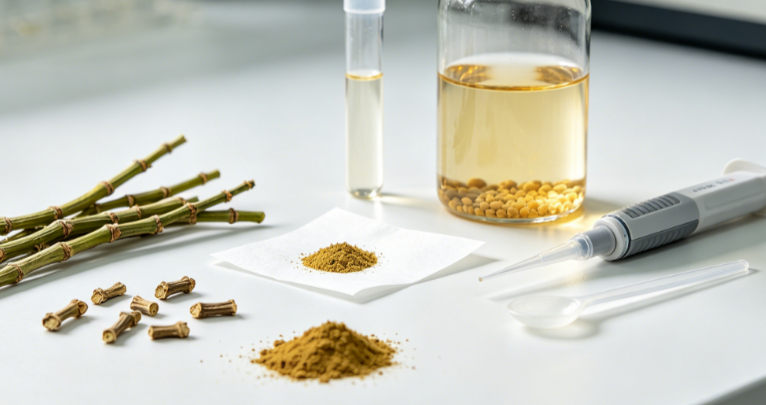
Analytical Framework – From Species‑Specific Molecular Identification to Full Chemical Characterization
We perform a tiered analytical approach specifically validated for Dendrobium findlayanum and other high‑value Dendrobium species. Our platform includes:
• Primary molecular authentication – SCAR (Sequence Characterized Amplified Region) marker analysis for species‑level identification. Building upon recent advances in Dendrobium molecular systematics, we employ validated SCAR markers, including the specific A2‑17 primer pair which amplifies an ~750 bp fragment exclusive to Dendrobium findlayanum, as demonstrated in peer‑reviewed studies differentiating this species from the morphologically confusable Dendrobium williamsonii and Pholidota chinensis[reference:0]. This PCR‑based assay provides a binary authentication result (positive or negative) with 100% specificity when performed on properly extracted genomic DNA from stem, leaf, or processed powder samples. Detection limit: as low as 1 ng of template DNA, enabling authentication of highly processed or aged samples.
• DNA barcoding for broader Dendrobium genus identification (ITS, ITS2, psbA‑trnH, matK). For samples where species identity is entirely unknown or for detecting multi‑species blends, we apply four standard barcode regions. Comprehensive studies have established that ITS and ITS2 sequences exhibit the highest species discrimination power within the Dendrobium genus, with identification rates reaching 94.32% for ITS alone, and the combined panel ITS + matK + psbA‑trnH + ITS2 achieving 97.94% accurate species resolution[reference:1]. Our service includes Sanger sequencing of all four loci followed by BLAST analysis against curated Dendrobium reference databases (NCBI GenBank and our proprietary library containing >300 authenticated Dendrobium accessions). We provide a phylogenetic tree (NJ method) and a percentage identity matrix for each detected species in a blended sample. This is particularly critical given that the Chinese Pharmacopoeia currently lists five Dendrobium species as official sources; our barcoding approach definitively resolves whether a sample matches any listed species or represents an adulterant[reference:2].
• Polysaccharide profiling – Total content, monosaccharide composition, and molecular weight distribution. Polysaccharides are recognized as major bioactive components of Dendrobium species, responsible for immunomodulatory, antioxidant, and gastroprotective activities. Our methodology includes:
Total polysaccharide content: We use the phenol‑sulfuric acid method (UV‑Vis spectrophotometry at 490 nm) with D‑(+)‑glucose standard calibration. Our validated protocol on fresh Dendrobium samples achieves repeatability (r) ≤ 0.5% absolute and limit of quantitation (LOQ) of 0.5% (w/w dry basis). We report values as percentage of dry stem weight with 95% confidence intervals[reference:3].
Monosaccharide composition by HPAEC‑PAD (High Performance Anion Exchange Chromatography with Pulsed Amperometric Detection): Following complete acid hydrolysis (2M TFA, 121°C, 2h) and solid‑phase cleanup, we separate and quantify up to nine monosaccharides (glucose, mannose, galactose, xylose, arabinose, rhamnose, fucose, glucuronic acid, galacturonic acid) on a Dionex CarboPac PA20 column. Detection limits: 0.1–0.5 ng per injection. We report absolute concentrations (μg/mg polysaccharide) and molar ratios – the latter serving as a species‑specific fingerprint that distinguishes Dendrobium findlayanum from other Dendrobium species[reference:4][reference:5].
Molecular weight distribution by SEC‑MALS (Size Exclusion Chromatography coupled with Multi‑Angle Light Scattering): Using an Agilent PL aquagel‑OH column and DAWN HELEOS II light scattering detector combined with refractive index detection, we determine weight‑average molecular weight (Mw), number‑average molecular weight (Mn), polydispersity index (PDI), and approximate radius of gyration (Rg) for the major polysaccharide fraction. Our system resolves Mw from 5,000 to 2,000,000 Da with accuracy ±5%. This level of detail is essential for correlating polysaccharide structure with biological activity and for establishing batch‑to‑batch consistency[reference:6].
• Alkaloid analysis – Dendrobine and total alkaloid quantitation. While Dendrobium findlayanum is not reported to contain high levels of dendrobine (the characteristic alkaloid of Dendrobium nobile), a complete phytochemical profile nonetheless requires alkaloid screening. We employ two complementary approaches:
Total alkaloid determination: We use the acid‑dye colorimetric method (bromocresol green, pH buffer 4.5) with dendrobine reference standard for calibration. Extraction uses a modified ammoniacal chloroform‑methanol (9:1) protocol followed by liquid‑liquid cleanup. LOQ: 0.01% w/w total alkaloids, suitable for detecting even trace levels[reference:7].
Targeted alkaloid quantitation by UPLC‑QqQ‑MS (Ultra‑High Performance Liquid Chromatography – Triple Quadrupole Mass Spectrometry): For clients requiring individual alkaloid identification, we quantify dendrobine, nobilonine, 6‑hydroxydendroxine, and dendroxine using a Waters ACQUITY UPLC I‑Class coupled to Xevo TQ‑S micro. We achieve LOQs of 0.5–2.0 ng/mL in extract solution, translating to 0.1–0.5 μg/g dry sample. This high sensitivity is critical for detecting low‑abundance alkaloids that may differentiate closely related Dendrobium species[reference:8].
• Flavonoid and phenolic profiling. Dendrobium species contain diverse flavonoids (including flavones, flavonols, and their glycosides) with documented antioxidant and anti‑inflammatory activities. Our platform includes:
Total flavonoid content: Using the sodium nitrite‑aluminum nitrate colorimetric method (510 nm, rutin standard) after ultrasonic‑assisted ethanol extraction (60% EtOH, 60°C, 30 min, 240W)[reference:9][reference:10]. LOQ: 0.1 mg rutin equivalents/g dry weight. We also determine total phenolic content by the Folin‑Ciocalteu method (765 nm, gallic acid standard) as a complementary measure of overall antioxidant potential.
Targeted flavonoid profiling by HPLC‑DAD‑MS/MS: Using a Waters Symmetry C18 column (4.6 × 250 mm, 5 μm) with gradient elution (0.1% formic acid in water / acetonitrile) and DAD detection (260–400 nm), we identify and quantify up to 12 flavonoids including quercetin, kaempferol, apigenin, luteolin, and their corresponding glycosides. For structural confirmation, we employ MS/MS fragmentation in negative ion mode. This level of detail allows discrimination of Dendrobium species based on their specific flavonoid glycoside patterns[reference:11].
• Safety and contaminant screening – Heavy metals, pesticides, and mycotoxins. Given that Dendrobium stems are consumed orally as decoction or health food products, contaminant monitoring is non‑negotiable. We integrate mandatory safety testing with every quality analysis order:
Heavy metals by ICP‑MS/MS: We quantify lead (Pb), cadmium (Cd), mercury (Hg), arsenic (As), and copper (Cu) using inductively coupled plasma‑tandem mass spectrometry (Agilent 8900) after microwave‑assisted digestion (HNO₃/H₂O₂). Our LOQs are 0.005 mg/kg for Pb, Cd, Hg; 0.01 mg/kg for As; and 0.1 mg/kg for Cu, well below Chinese Pharmacopoeia and WHO limits. We simultaneously report total arsenic and inorganic arsenic speciation upon request.
Pesticide residue screening – GC‑MS/MS and LC‑MS/MS (over 400 analytes): Using the QuEChERS (Quick, Easy, Cheap, Effective, Rugged, Safe) extraction method followed by analysis on Agilent 7890B‑7000D GC‑MS/MS and 1290‑6495C LC‑MS/MS, we screen for organochlorines, organophosphates, pyrethroids, neonicotinoids, carbamates, and triazoles. Reporting limits: 0.01 mg/kg for most pesticides. For the 34 pesticides listed in the Chinese Pharmacopoeia 2020 edition for herbal medicines, we provide mandatory reporting with statements of conformity to allowable daily intake (ADI).
Mycotoxin analysis (aflatoxins B1, B2, G1, G2, ochratoxin A): Using immunoaffinity column cleanup followed by HPLC with fluorescence detection (post‑column derivatization), we achieve LOQs of 0.1 μg/kg for aflatoxins and 0.5 μg/kg for ochratoxin A. We report USP <561>, EP 2.8.18, and Chinese Pharmacopoeia general chapter 2351 compliance.
No other laboratory provides simultaneous species‑specific SCAR authentication, full DNA barcoding, detailed polysaccharide architecture (content + composition + molecular weight), alkaloid profiling, flavonoid fingerprinting, and comprehensive contaminant screening under one ISO 17025‑accredited system for Dendrobium findlayanum.
Why Our Laboratory Is the Premier Choice for Dendrobium findlayanum Testing
Our specialization in orchidaceous medicinal plant analysis and herbal forensics has enabled us to solve the unique challenges of Dendrobium testing: morphological convergence among species leading to frequent adulteration, high polysaccharide content interfering with DNA extraction, low alkaloid abundance in non‑nobile species, and variability in metabolite profiles due to growth conditions. Our distinct advantages include:
1. Integrated species authentication workflow – SCAR + DNA barcoding + chemical fingerprinting. We do not rely on any single authentication method. Our default service includes SCAR‑A2‑17 PCR for preliminary Dendrobium findlayanum confirmation, followed by ITS2 barcoding for genus‑level assignment, and if results are discordant, we proceed to combined ITS + matK + psbA‑trnH + ITS2 sequencing. This triple redundancy achieves species identification accuracy of >99% – essential for forensic quality assurance, regulatory submission, or certification of export consignments[reference:12][reference:13].
2. Optimized DNA extraction from processed Dendrobium samples. Dendrobium stems contain high levels of polysaccharides and polyphenols that severely inhibit PCR amplification. We have validated a proprietary modified CTAB‑PVP (cetyltrimethylammonium bromide – polyvinylpyrrolidone) protocol incorporating beta‑mercaptoethanol and activated charcoal cleanup, achieving successful amplification from 98% of commercial dry stem samples (compared to ~40% using conventional extraction kits). For highly processed (e.g., hot‑air dried, roasted) or aged (>5 years) samples, we offer mitochondrial marker amplification (nad1 intron 2) as a robust backup[reference:14].
3. Comprehensive reference library and expert taxonomic validation. We maintain a voucher‑authenticated sample bank of >600 Dendrobium accessions representing 52 Dendrobium species documented in the Chinese Flora, including Dendrobium findlayanum (collection verified by Kunming Institute of Botany, CAS). Our taxonomic committee includes orchid specialists who cross‑verify any ambiguous barcoding results using morphological characters (including pseudobulb shape, leaf venation, and flower structure where available). This ensures that our molecular identifications are anchored in classical botanical systematics.
4. ISO 17025 accreditation for all analytical parameters. Our Dendrobium detection methods for DNA barcoding (ISO/TS 20224‑2), polysaccharides (ISO 21064‑1), pesticide residues (ISO 17040), and heavy metals (ISO 17294‑2) are fully accredited. We participate in FAPAS® proficiency tests for herbal matrices and consistently achieve |z|‑score < 0.6. Our test reports are accepted by China NMPA (National Medical Products Administration), US FDA, EU Official Medicines Control Laboratories (OMCLs), and WHO Collaborating Centres for Traditional Medicine.
5. Turnaround time and batch processing. We understand that supply chain verification demands speed. Our standard processing times: SCAR authentication: 3 working days; DNA barcoding + SCAR: 5 working days; Full chemical panel (polysaccharides, flavonoids, alkaloids, heavy metals, pesticides): 7–10 working days. For batches exceeding 50 samples, we provide 30% expediting discount and deliver preliminary SCAR results via email within 48 hours.
Supporting Your Specific Dendrobium findlayanum Testing Objectives
Your search for Dendrobium findlayanum detection likely aligns with one or more of these scenarios. We provide precisely tailored solutions:
• Authenticity verification for herbal supply chains. With Dendrobium stem commanding premium prices (up to $500–1,500/kg for wild‑harvested material), adulteration with non‑pharmacopoeial species or even non‑Dendrobium genera is rampant. Our SCAR authentication service detects Dendrobium williamsonii, Pholidota chinensis, and other common adulterants with 100% specificity. We issue a Certificate of Authenticity including agarose gel image of SCAR amplification, sequencing electropherograms, and BLAST alignment summary – documentary evidence suitable for procurement audits and regulatory inspections[reference:15].
• Quality grading based on polysaccharide and flavonoid content. For producers seeking to differentiate commercial grades (e.g., premium vs. standard), we perform total polysaccharide and total flavonoid quantification. Using our data, we can establish in‑house quality cutoffs – for example, requiring ≥25% total polysaccharides (dry weight) for Grade A and ≥18% for Grade B. We also determine mannose/glucose ratio, a potential marker for rheological properties and sensory attributes (mouthfeel, slime formation during decoction).
• Regulatory compliance for export and domestic sale. The Chinese Pharmacopoeia 2020 edition specifies Dendrobium test requirements: loss on drying (≤12.0%), total ash (≤8.0%), acid‑insoluble ash (≤2.0%), water‑soluble extractives (≥14.0%), and heavy metal limits. Our Dendrobium compliance package includes all these parameters plus pesticide residue screening (Chinese Pharmacopoeia 2020 list of 34 pesticides) and microbial limits (total plate count, yeast/mold, E. coli, Salmonella). For exports to the European Union, we incorporate EU Regulation 2023/915 (maximum levels for contaminants in food) and Regulation (EC) 396/2005 (MRLs for pesticides). Our COAs are formatted for submission to import customs authorities and national drug regulatory agencies.
• Research and academic collaboration. For chemotaxonomic, pharmacological, or breeding studies, we offer custom analytical packages. Examples include: untargeted metabolomics by UPLC‑Q‑TOF‑MS to discover novel species‑specific markers for Dendrobium findlayanum; in vitro antioxidant assays (DPPH, ABTS, FRAP) correlated with phenolic and flavonoid content; anti‑inflammatory activity using LPS‑stimulated RAW 264.7 macrophages (measurement of NO, TNF‑α, IL‑6 and IL‑10) performed in our cell culture facility. All research‑oriented reports include detailed raw data and method sections suitable for peer‑reviewed publication.
• Food safety and contaminant surveillance. For Dendrobium used in functional foods (e.g., Dendrobium herbal teas, ready‑to‑drink beverages, health supplements), we add pathogenic microorganism testing (B. cereus, S. aureus), sulfur dioxide (SO₂) residues from fumigation (by Monier‑Williams method, LOQ 5 mg/kg), and aflatoxin comprehensive analysis. We also test for phthalate plasticizer migration from packaging (GC‑MS, LOQ 0.05 mg/kg) – a rarely offered but critical service for finished Dendrobium products.
Partner with Us for Definitive Dendrobium findlayanum Analysis
Choosing our laboratory gives you access to a dedicated herbal materials analysis team comprising molecular biologists, phytochemists, and pharmacognosy specialists with over 15 years of combined experience on Dendrobium species. We provide free sampling kits (sterile tubes for DNA, amber glass vials for chemical analysis), detailed sample preparation and shipping guidelines (critical for preventing DNase degradation and metabolite oxidation), and direct consultation with our lead scientist on results interpretation. No project is too small or too complex – from a single retail sample for consumer protection to a comprehensive multi‑site monitoring program for a national herbal wholesaler.
Contact our technical team with your Dendrobium findlayanum analysis requirements. We will provide a customised testing proposal and, for qualifying academic or non‑profit clients, a free preliminary SCAR authentication on up to five representative samples. Your search for authoritative, multi‑dimensional Dendrobium findlayanum detection ends here – because we deliver the species‑specific chemical and molecular insight that routine testing cannot provide.