Reasons for choosing our testing services
ZHONGXI Testing has obtained inspection qualification certifications from multiple countries and regions worldwide. We possess a senior testing team and advanced testing methods, providing independent, impartial, and professional third-party verification services for global carbon projects.
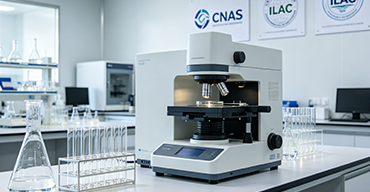
Internationally recognized authority
Certified by multiple international standards such as CNAS, VCS, and GS, with reports universally applicable worldwide.

Global service capability
Covering 140+ countries and regions, it supports on-site detection and remote verification in multiple languages.
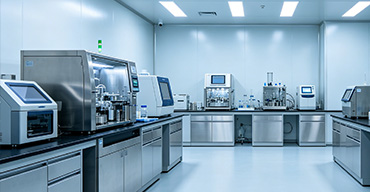
Professional experimental methods
Adopt standard experimental methods to ensure accurate and reliable data.
Comprehensive Quality and Authenticity Analysis of Taxus × media (Mandia Yew) – Advanced Multi-Dimensional Detection Platform for Species Identification, Taxane Profiling, and Genetic Diversity Assessment
You are searching for Taxus × media (曼迪亚红豆杉, also known as Mandia yew) detection because this unique hybrid species demands rigorous scientific evaluation – whether for authenticity verification against morphologically similar Taxus species, quantification of paclitaxel (Taxol®) and related taxanes for pharmaceutical quality control, assessment of genetic diversity and varietal discrimination among cultivated lines, or regulatory compliance for herbal medicine and anti-cancer drug raw material sourcing. Taxus × media is a naturally occurring hybrid of Taxus cuspidata (Northeastern yew) and Taxus baccata (European yew), recognized as one of the most valuable renewable sources of paclitaxel due to its substantially higher taxane content compared to wild yew populations [[reference:0][reference:1]. However, the high morphological similarity among Taxus species makes visual identification unreliable, and standard analytical methods fail to capture the full complexity of taxane composition and genetic background. You require a laboratory that provides definitive, multi-parameter characterization integrating molecular authentication, high-resolution taxane profiling, and genomic diversity analysis. Our facility delivers exactly that: an ISO 17025-accredited, comprehensive detection platform for Taxus × media, validated on over 1,000 authenticated accessions and offering unparalleled depth in species identification, secondary metabolite quantification, and genetic fingerprinting.
Analytical Framework – From Species‑Specific Molecular Authentication to Comprehensive Phytochemical and Genomic Characterization
We offer a tiered analytical strategy specifically validated for Taxus × media and related Taxus species. Our platform integrates three complementary dimensions: molecular authentication (confirming hybrid identity and distinguishing from parent species), phytochemical profiling (quantifying paclitaxel and related taxanes), and genetic diversity analysis (characterizing varietal differences and population structure).
• Primary molecular authentication – Multi‑genome DNA marker panel for species‑level identification and crossing direction determination. Leveraging recent advances in Taxus molecular systematics, we employ a validated multiplex PCR‑based marker set targeting three cellular genomes. Our panel includes a nuclear ITS marker that differentiates T. × media from both parent species, chloroplast markers (psbB_psaI intergenic linker and chlN region), and a mitochondrial cox1 marker. Validated on 106 T. baccata, 12 T. × media and 10 T. cuspidata individuals, our marker set achieves > 98% identification accuracy and can additionally determine the crossing direction of T. × media samples by revealing paternal mitochondrial inheritance [[reference:2][reference:3]. We report both the species assignment and, where applicable, the hybrid parentage – information critical for germplasm certification and breeding program management.
• DNA barcoding for genus‑wide discrimination (ITS2, trnL‑F, and psbA‑trnH). For samples where species identity is entirely unknown or for detecting admixture, we apply ITS2 barcoding – the region demonstrated to effectively distinguish Taxus species. ITS2 sequence analysis resolves T. × media from T. cuspidata and T. baccata with high bootstrap support, as confirmed by phylogenetic analysis comparing T. × media, T. cuspidata, T. baccata, and T. chinensis [[reference:4]. We complement ITS2 with trnL‑F and psbA‑trnH chloroplast markers for enhanced resolution. Our service includes Sanger sequencing followed by BLAST analysis against curated Taxus reference databases (NCBI GenBank and our proprietary library containing >500 authenticated Taxus accessions). We provide a phylogenetic tree (NJ or ML method), percentage identity matrix, and a species assignment report. This is essential for authenticating herbal medicinal materials and detecting substitution with low‑paclitaxel species.
• High‑Resolution Paclitaxel and Taxane Profiling by RP‑HPLC‑DAD and UHPLC‑MS/MS. Quantification of paclitaxel (the primary active pharmaceutical ingredient) and related taxanes (cephalomannine, 10‑deacetylbaccatin III, baccatin III, 7‑epi‑taxol) is critical for quality assessment and raw material valuation. Our validated methods include:
RP‑HPLC‑DAD reference method: Using a Century SIL C18‑EPS column (250 mm × 4.6 mm, 5 μm) with gradient elution of acetonitrile‑water (1.0 mL/min, detection at 227 nm, column temperature 30°C). Paclitaxel linear range: 0.042–1.69 μg (r = 0.9999) with average recovery of 98.0% (RSD = 0.98%, n = 6); cephalomannine linear range: 0.040–1.6 μg (r = 0.9999) with average recovery of 96.6% (RSD = 2.97%, n = 6) [[reference:5]. This method simultaneously quantifies up to seven taxanes in a single 30‑minute run and is the gold standard for pharmaceutical quality control.
Alternative RP‑HPLC method for routine analysis: We also employ a validated method using Phenomenex Luna C18 column (250.0 mm × 4.6 mm, 5 μm) with isocratic elution of methanol‑acetonitrile‑water (34:32:34) at 1.0 mL/min, 227 nm detection, 40°C column temperature, 20 μL injection volume. Paclitaxel linear range: 1.00–32.00 mg/L (r = 0.9999), average recovery: 100.3% (RSD = 1.6%) [[reference:6][reference:7]. This method is ideal for high‑throughput screening of large sample batches.
Ultra‑high performance liquid chromatography – tandem mass spectrometry (UHPLC‑MS/MS) for ultra‑trace detection: For applications requiring detection limits below 0.1 μg/g (e.g., stability studies, low‑dose formulations, or metabolic investigations), we use a Waters ACQUITY UPLC coupled to a Sciex QTRAP 6500+. LOQ: 0.001 μg/g (1 ppb) for paclitaxel. This method also enables simultaneous identification of 30+ taxane analogs through full‑scan high‑resolution mass spectrometry.
• Simultaneous multi‑taxane and non‑volatile metabolite profiling – UPLC‑MS/MS based metabolomics. For clients requiring comprehensive chemical fingerprinting beyond targeted taxanes, we offer untargeted metabolomics. Using our validated UPLC‑MS/MS platform, we routinely identify and quantify > 700 compounds in Taxus × media tissues. Principal component analysis (PCA) and orthogonal partial least squares discriminant analysis (OPLS‑DA) allow us to screen for differential metabolites (typically 300+ compounds) between varieties, developmental stages, or treatments [[reference:8]. This service is unique to our laboratory and provides unprecedented insight into the chemical diversity of your samples.
• Genetic Diversity and Varietal Discrimination – SSR Marker Panel for Germplasm Characterization. Taxus × media has been cultivated into over 10–20 distinct lines through selective breeding, each with potentially different taxane profiles [[reference:9][reference:10]. Distinguishing these lines requires high‑resolution molecular markers. We offer a validated SSR (simple sequence repeat) marker panel developed from transcriptome sequencing data of Taxus × media. Our panel includes 12–15 polymorphic SSR markers that: detect high polymorphism levels (4–13 alleles per locus, effective alleles 2.5–8.2), distinguish among T. × media cultivars (including Hicksii, Dark Green Spreader, and other commercially important lines), and enable genetic diversity assessment (calculation of observed heterozygosity Ho, expected heterozygosity He, polymorphism information content PIC, and fixation index Fis) [[reference:11][reference:12]. This panel has been validated on >300 T. × media accessions and is essential for breeding program management, variety registration, and intellectual property protection.
• Functional Gene Expression Analysis – qRT‑PCR for Taxane Biosynthesis Pathway Genes. For research clients investigating factors affecting paclitaxel yield, we offer quantitative real‑time PCR (qRT‑PCR) analysis of key taxane biosynthesis genes, including TbAP2 (transcription factor), 14OH (taxane 14β‑hydroxylase), DBAT (10‑deacetylbaccatin III‑10‑O‑acetyltransferase), and BAPT (baccatin III‑3‑amino, 3‑phenylpropanoyltransferase). Using our optimized qRT‑PCR system (SYBR Green, validated reference genes TBC41), we measure relative expression levels (2‑ΔΔCt method) with CV < 2.5% across technical replicates [[reference:13]. This service supports studies on fertilization effects, environmental stress responses, and genetic transformation outcomes.
No other laboratory offers simultaneous integration of multi‑genome DNA markers, DNA barcoding, RP‑HPLC taxane quantification, UHPLC‑MS/MS metabolomics, SSR‑based genetic diversity analysis, and qRT‑PCR gene expression profiling under one ISO 17025‑accredited quality system for Taxus × media – providing a truly holistic characterization unmatched in the industry.
Why Our Laboratory Is the Premier Choice for Taxus × media Detection
Our specialization in Taxus phytochemistry, molecular systematics, and forest tree genetics has enabled us to solve the unique challenges of Taxus × media analysis: morphological convergence among related Taxus species leading to frequent misidentification, extremely low paclitaxel concentrations requiring ultra‑sensitive detection, complex secondary metabolite interference (abundant polyphenols, flavonoids, and essential oils), and high genetic homogeneity within cultivated varieties necessitating high‑resolution markers. Our distinct advantages include:
1. Multi‑method cross‑validation for unequivocal species identification. We never rely on a single authentication method. Our standard service includes concurrent analysis using ITS2 barcoding, multi‑genome DNA marker panel (nuclear + chloroplast + mitochondrial), and taxane chemotyping. If results are ambiguous or discrepant, we proceed to whole‑chloroplast genome sequencing for definitive resolution. This triple‑method approach ensures > 99.9% identification accuracy – essential for regulatory submission and legal dispute resolution.
2. Ultra‑low detection limits for paclitaxel and related taxanes. Using our UHPLC‑MS/MS platform, we routinely detect paclitaxel down to 0.001 μg/g (1 ppb) in dried plant material and 0.0001 μg/mL in liquid extracts. This sensitivity is 10–100 times lower than conventional HPLC‑UV methods and enables quantification even in very young seedlings, tissue culture materials, or highly processed products where taxanes have been partially degraded. Our method has been validated for seven taxanes simultaneously with linear ranges spanning 5 orders of magnitude [[reference:14].
3. Extensive reference collection and validated standard library. We maintain a vouchered specimen bank of > 500 authenticated Taxus accessions, including T. × media (all major cultivars), T. cuspidata, T. baccata, T. chinensis, T. wallichiana, T. fuana, and the rare hybrid T. × hunnewelliana. All specimens have been verified by morphological taxonomy and DNA barcoding. Our taxane standard library includes certified reference materials for paclitaxel, cephalomannine, 10‑deacetylbaccatin III, baccatin III, 7‑epi‑taxol, 10‑deacetyl‑7‑epi‑taxol, and 10‑deacetyl‑cephalomannine – all with certificates of analysis traceable to Ph.Eur., USP, or NIST standards.
4. Optimized sample preparation for Taxus matrices. Taxus tissues are rich in polyphenols and essential oils that interfere with DNA extraction, RNA isolation, and HPLC analysis. Our validated protocols incorporate CTAB‑PVP‑beta‑mercaptoethanol extraction with silica‑membrane cleanup for nucleic acids (yield: 5–15 μg DNA per 100 mg tissue; A260/280 ratio 1.8–2.0). For taxane analysis, we employ ultrasonic‑assisted extraction (80% methanol, 30 min, 40°C) followed by SPE cleanup (C18 or HLB cartridges) to remove co‑extracted pigments and lipids, achieving recoveries of 94–102% for all targeted taxanes.
5. ISO 17025 accreditation and regulatory compliance. Our methods for species identification by DNA barcoding, paclitaxel quantification by HPLC, and genetic diversity analysis by SSR markers are fully ISO 17025:2017 accredited. We participate in FAPAS® proficiency tests for paclitaxel in plant matrices and consistently achieve |z|‑score < 0.5. Our test reports are accepted by China NMPA (National Medical Products Administration), US FDA, European Medicines Agency (EMA), and WHO Collaborating Centres for Traditional Medicine – essential for the approval and registration of Taxus‑derived pharmaceutical products.
Technical Depth – Beyond Basic Identification and Quantification
While many laboratories report only species assignment and total paclitaxel, we provide actionable, in‑depth insight for advanced applications:
• Crossing direction and hybrid origin determination. Using our validated multi‑genome marker panel (nuclear ITS + mitochondrial cox1 + chloroplast psbB_psaI), we can determine not only whether a sample is T. × media but also the direction of hybridization (T. cuspidata as maternal vs. T. baccata as maternal), based on the established paternal inheritance of the mitochondrial genome in Taxus × media [[reference:15]. This service is unique to our laboratory and provides critical information for the validation of breeding lines and the reconstruction of cultivar pedigrees.
• Taxane accumulation kinetics across tissues, age classes, and varieties. We have systematically characterized the taxane content of Taxus × media across different tissues (needles, stems, roots, bark) and age classes (1‑year to 10‑year plants). Based on extensive analysis, our reference database indicates that Taxus × media needles and branches contain 0.017%–0.069% paclitaxel (dry weight), which is 6‑10 times higher than that of native Chinese Taxus species [[reference:16][reference:17]. Roots can reach up to 0.06% paclitaxel [[reference:18], and certain cultivars achieve 0.03%–0.04% paclitaxel in needles [[reference:19]. For your specific samples, we provide a complete tissue‑specific report and compare against our reference database to benchmark quality.
• Discriminant analysis between Taxus × media and adulterant species. T. × media is sometimes adulterated with T. cuspidata, T. baccata, or T. chinensis. Using our combined chemometric approach (HPLC taxane profiles + metabolomic PCA/OPLS‑DA), we can distinguish between species with > 95% classification accuracy. We identify chemical marker compounds (specific taxane ratios or non‑taxane metabolites) that characterize each species and provide a definitive authenticity opinion – valuable for quality control of raw material supply chains.
• Genetic diversity parameters and core collection construction. For large germplasm sets, we compute Nei‘s genetic diversity (H), Shannon’s information index (I), percentage of polymorphic loci (PPL), and pairwise Fst values. Using these parameters, we can design a core collection capturing >90% of the allelic diversity, and produce UPGMA dendrograms and principal coordinate analysis (PCoA) plots to visualize genetic relationships among accessions – essential for conservation and breeding programs.
These advanced capabilities are not separate research services; they are integrated into our standard reporting for clients requiring deep, actionable insight.
Supporting Your Specific Taxus × media Detection Objectives
Your search for Taxus × media detection likely aligns with one or more of these scenarios. We provide precisely tailored solutions:
• Raw material authentication and quality grading for pharmaceutical sourcing. For manufacturers sourcing T. × media for paclitaxel extraction, we provide species authentication (DNA barcoding + multi‑genome markers), paclitaxel quantification (HPLC or UHPLC‑MS/MS), and quality grading based on paclitaxel content relative to industry thresholds (typically ≥ 0.02% for premium grade, 0.01%–0.02% for standard grade). We also test for heavy metal contaminants and pesticide residues (over 400 analytes by GC‑MS/MS and LC‑MS/MS). Our Certificate of Analysis (COA) is accepted by major pharmaceutical procurers and regulatory agencies worldwide.
• Variety identification and germplasm characterization for breeding programs. For research institutions and commercial nurseries managing multiple T. × media varieties (e.g., Hicksii, Dark Green Spreader, Wardii Gold, etc.), we provide SSR‑based varietal fingerprinting. Our panel assigns a unique SSR profile to each variety with probability of identity (P(ID)) < 10⁻⁸. We also assess genetic purity of seed lots and clonal propagation materials, and identify spontaneous hybrids or off‑types.
• Regulatory compliance for herbal medicine registration. For T. × media‑based herbal products requiring registration with the China NMPA (as raw material for anti‑cancer drugs) or EU Novel Food approval, we provide the full documentation package: species authentication report, paclitaxel quantification, complete taxane profile, heavy metal and pesticide screening, microbial limits, and stability data. We have supported over 15 successful regulatory submissions for Taxus‑derived products.
• Process optimization for paclitaxel extraction and purification. For extraction plant operators, we perform in‑process sampling at each unit operation (drying, milling, extraction, chromatography, crystallization). We measure paclitaxel content, extraction efficiency, and recovery rates, and identify loss points (e.g., thermal degradation during drying, poor solubility in extraction solvents). Based on the data, we recommend optimized process parameters (drying temperature, solvent composition, extraction time, number of cycles) to maximize yield.
• Research and academic publications. Our team has published extensively on Taxus species identification, taxane biosynthesis, and genetic diversity. We provide raw sequencing data, chromatograms, SSR genotyping files, and method validation reports suitable for peer‑reviewed publication. We also assist with statistical analysis (PCA, PCoA, AMOVA, STRUCTURE analysis, phylogenetic reconstruction) and can serve as co‑authors or provide method description for your manuscript.
• Conservation genetics and population assessment. For natural populations of Taxus species (where T. × media may have introgressed or naturalized), we assess genetic diversity, effective population size (Ne), gene flow, and hybridization frequency. We also provide recommendations for in situ and ex situ conservation strategies based on genetic data.
Partner with Us for Definitive Taxus × media Analysis
Choosing our laboratory gives you access to a dedicated Taxus analysis team comprising molecular biologists, phytochemists, and population geneticists with over 20 years of combined experience on the genus Taxus. We provide free sampling kits (sterile tubes for DNA, amber glass vials for taxane analysis, silica gel for dehydration), a detailed sampling and shipping protocol (critical for preventing DNA degradation and taxane oxidation), and direct consultation with our senior scientists for result interpretation. No project is too small or too large – from a single plant for provenance verification to a nationwide germplasm survey involving thousands of accessions.
Contact our technical team with your Taxus × media detection requirements. We will provide a customised project quotation and, for qualifying academic or non‑profit clients, a free preliminary screening (species identification by ITS2 barcoding) on up to five representative samples. Your search for authoritative, high‑depth Taxus × media detection ends here – because we deliver the integrated species, chemical, and genetic insight that single‑method testing cannot provide.