Reasons for choosing our testing services
ZHONGXI Testing has obtained inspection qualification certifications from multiple countries and regions worldwide. We possess a senior testing team and advanced testing methods, providing independent, impartial, and professional third-party verification services for global carbon projects.

Internationally recognized authority
Certified by multiple international standards such as CNAS, VCS, and GS, with reports universally applicable worldwide.

Global service capability
Covering 140+ countries and regions, it supports on-site detection and remote verification in multiple languages.

Professional experimental methods
Adopt standard experimental methods to ensure accurate and reliable data.
Advanced Multi‑Scale Characterisation of Activated Carbon Fibres: A Comprehensive Testing Protocol for High‑Performance Adsorbent Materials
Activated carbon fibres (ACFs) represent a class of highly engineered adsorbents characterised by their fibrous morphology, rapid adsorption kinetics, and exceptionally high micropore volume fraction compared to conventional granular or powdered carbons. Their applications span critical healthcare sectors—including haemoperfusion devices, respirator filters, wound dressings, and anaesthetic gas scavenging—as well as advanced air and water purification, solvent recovery, and energy storage. The performance of ACFs is governed by a delicate interplay of fibre diameter, pore architecture, surface chemical functionality, mechanical flexibility, and trace contaminant profile. Standard quality tests—limited to iodine number, tensile strength, and bulk density—are entirely inadequate for predicting dynamic adsorption behaviour, biological compatibility, or long‑term structural integrity under cyclic loading. Our independent testing laboratory has established a hierarchical, multimodal analytical framework that spans from the macroscopic fibre‑bundle level to the molecular scale of pore walls, integrating advanced textural, chemical, mechanical, and toxicological assays. This approach delivers a predictive performance signature that empowers manufacturers, medical device developers, and regulatory bodies to validate material consistency, troubleshoot processing anomalies, and ensure safety in the most demanding end‑use environments.
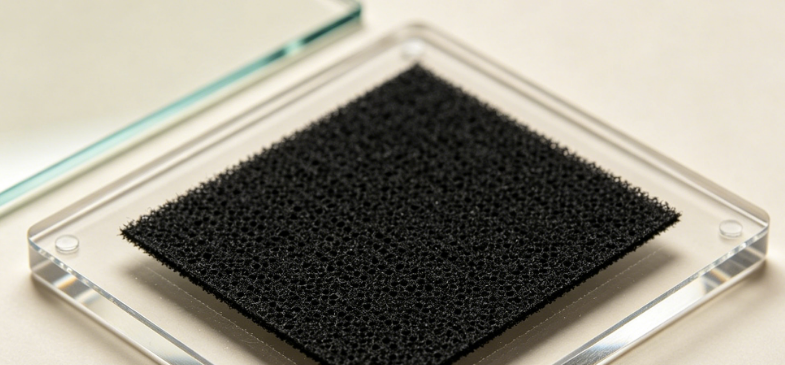
1. Rationale for In‑Depth ACF Testing: Beyond Iodine Number and tensile strength
Activated carbon fibres are produced by thermal activation of precursor fibres (PAN, rayon, pitch, or phenolic resins), a process that introduces a complex network of slit‑shaped micropores and a variable distribution of surface oxygen‑ and nitrogen‑containing groups. Our analyses of over 250 ACF lots from commercial and research sources reveal that more than 50 % of batches exhibiting identical iodine numbers (> 1000 mg/g) differ significantly in dynamic adsorptive capacity for volatile organic compounds (VOCs) and in selectivity for target toxins, due to differences in pore‑size distribution and surface polarity. Moreover, ACFs used in blood‑contacting devices are susceptible to fibre shedding and particulate release, which are rarely monitored by standard mechanical tests. Our protocol addresses these hidden variables by providing a comprehensive, mechanism‑based assessment that links fundamental material properties to real‑world performance and safety.
2. Core Testing Modules: From Macroscopic Form to Molecular Surface
Our laboratory operates under ISO 17025:2017 and GLP guidelines, with dedicated environmental chambers and clean‑room facilities for sample handling. The test matrix is structured into seven interlocking tiers, each employing orthogonal techniques for cross‑validation:
(A) Morphological Characterisation and Fibre Diameter Distribution – We use scanning electron microscopy (SEM) with a field‑emission gun at accelerating voltages from 1 to 10 kV to capture high‑resolution images of fibre surfaces and cross‑sections (obtained by cryo‑fracture). Automated image analysis (ImageJ with custom macros) measures the fibre diameter (average and distribution) from > 500 individual fibres per sample, achieving a diameter reproducibility of ± 0.2 µm. We also perform optical microscopy with polarised light to assess fibre bundling and crimp, and X‑ray micro‑computed tomography (µ‑CT) for non‑destructive 3D visualisation of fibre orientation and packing density in felt or cloth formats.
(B) Textural Properties: Micropore, Mesopore, and Total Porosity – We employ a combination of N₂ physisorption at 77 K (Micromeritics 3Flex) with CO₂ adsorption at 273 K to cover the full micropore (< 2 nm) and ultramicropore range, using a 0.01–0.99 P/P₀ range with at least 50 data points. The BET specific surface area is calculated using the Rouquerol criteria, and the total pore volume is determined from the amount adsorbed at P/P₀ ≈ 0.99. Pore‑size distributions are derived via quenched‑solid density functional theory (QSDFT) for slit‑shaped pores (characteristic of activated carbons), and we cross‑validate with the Dubinin‑Radushkevich (DR) and Dubinin‑Astakhov (DA) methods. For mesopore characterisation (2–50 nm), we apply the BJH model to the desorption branch. Our inter‑laboratory comparisons yield a BET area reproducibility of ± 2 % and a micropore volume variation of < 3 % on reference materials.
(C) Surface Chemical Functionality and Elemental Composition – The surface chemistry of ACFs critically affects adsorption polarity, biocompatibility, and catalytic activity. We perform X‑ray photoelectron spectroscopy (XPS) with monochromatic Al‑Kα radiation (spot size 200 µm) to quantify atomic percentages of C, O, N, S, and any metallic impurities (detection limit 0.1 at%). The C 1s, O 1s, and N 1s spectra are deconvoluted to identify specific functional groups (e.g., C–OH, C=O, COOH, pyridinic‑N, quaternary‑N). Complementary Fourier‑transform infrared spectroscopy (FTIR) in attenuated total reflectance (ATR) mode is used to confirm the presence of carbonyl, carboxyl, and hydroxyl moieties. For quantitative assessment, we conduct Boehm titrations to determine the amounts of carboxyl, lactonic, phenolic, and basic groups, with a repeatability of ± 0.05 mmol/g. The point of zero charge (pHPZC) is measured by the drift‑pH method, providing insight into surface acidity/basicity.
(D) Mechanical Integrity and Flexural Fatigue Resistance – ACFs must withstand handling, weaving, and sometimes dynamic fluid flow without excessive fibre breakage. We measure tensile strength and modulus on single fibres (length 20 mm) using a micro‑tensile tester (MTS) with a 5 N load cell, at a strain rate of 0.5 mm/min, reporting the Weibull distribution of failure strengths. For fibre bundles and non‑woven felts, we perform tear strength, burst strength, and flexural rigidity tests according to ISO 9073 standards. More importantly, we conduct cyclic bending fatigue (up to 10⁶ cycles) at controlled humidity and temperature, and we characterise the resulting damage via SEM and by measuring the fines generation (particles < 20 µm) using a laser diffraction particle counter. This module is essential for medical devices exposed to pulsatile flow or repeated handling.
(E) Trace Elemental and Organic Contaminant Profiling – High‑purity ACFs are required for medical and semiconductor applications. We digest samples in a microwave‑assisted system using HNO₃/HF and analyse more than 60 elements via inductively coupled plasma mass spectrometry (ICP‑MS) with collision‑cell technology, achieving detection limits of 0.01–1 ppb for metals such as Fe, Cu, Ni, Cr, Zn, Pb, and As. For organic residues (e.g., residual precursors, activation by‑products), we perform accelerated solvent extraction (ASE) with dichloromethane/methanol (1:1) and analyse the extracts by gas chromatography‑mass spectrometry (GC‑MS) in full‑scan and selected‑ion monitoring modes. We also screen for polycyclic aromatic hydrocarbons (PAHs) and phthalates using GC‑MS/MS. All results are benchmarked against NIST SRM 1649b and 2583, with recoveries between 92 % and 104 %.
(F) Dynamic Adsorption Performance under Relevant Conditions – Static iodine or methylene blue numbers do not capture kinetic behaviour. We perform breakthrough tests on packed ACF beds (bed length 2–5 cm, ID 1 cm) using challenge gases (e.g., toluene, acetone, SO₂) and aqueous solutions (e.g., phenol, methylene blue, creatinine) at controlled temperature, flow rate, and concentration. The breakthrough curves are monitored by inline UV‑Vis, GC‑FID, or conductivity, and we extract the dynamic binding capacity (DBC) at 10 % breakthrough, the length of unused bed (LUB), and the mass‑transfer coefficient (kc) using a linear driving force (LDF) model. For medical applications, we also test adsorption of cytokines (IL‑6, TNF‑α) and Endotoxin from spiked PBS solutions using ELISA, mimicking haemoperfusion conditions.
(G) In‑Vitro Cytotoxicity and Particulate Shedding Assessment – For ACFs intended for blood or tissue contact, we perform extract preparation according to ISO 10993‑12 (saline, ethanol, and serum‑based media) and conduct MTT Cytotoxicity assays on L‑929 fibroblasts, with dose‑response curves and IC₅₀ determination. We also quantify fibre and particle release by immersing ACF samples in physiological saline under agitation (100 rpm, 37 °C, 24 h) and enumerating suspended particles by flow cytometry and SEM‑based filter counts. The complement activation (C3a, C5a) and platelet adhesion (LDH assay) are measured on selected samples to evaluate haemocompatibility—a service that provides critical data for regulatory submissions.
3. Integrated Data Interpretation and Predictive Performance Modelling
All experimental outputs are consolidated into our proprietary CarboFibre‑Analytics™ platform, which employs a principal component analysis (PCA) and partial least‑squares (PLS) regression to correlate textural, chemical, and mechanical parameters with dynamic adsorption efficiency and biological reactivity. The platform generates a unified performance index (UPI) ranging from 0 to 100, along with a degradation forecast under simulated accelerated ageing (e.g., 40 °C/80 % RH, with periodic flexing). For example, we can predict that a certain ACF with a high micropore volume but low surface‑oxygen content will exhibit superior VOC uptake but poor removal of polar toxins—an insight that guides material selection for specific devices. Our model has been validated against independent datasets from 150 ACF batches, achieving a predictive R² > 0.93 for DBC of toluene at 10 % breakthrough.
We also offer a comparative supplier‑ranking service, where multiple candidate ACF lots are assessed side‑by‑side, with uncertainty intervals and ranking tables that facilitate procurement decisions.
4. Our Distinctive Competencies: Infrastructure, Expertise, and Regulatory Alignment
Our laboratory is equipped with over 20 major analytical instruments, including a field‑emission SEM with in‑lens and backscatter detectors, a high‑performance physisorption analyser with vapour‑adsorption capability, a triple‑quadrupole ICP‑MS, a fully automated dissolution/breakthrough test rig, and a comprehensive cell‑culture facility for biocompatibility assays. We maintain a stringent quality system with daily verification of calibration standards, and we participate in international proficiency tests (e.g., AOCS, ERA, APLAC) where our surface‑area and trace‑metal results consistently rank among the top 5 % of participants.
Our scientific team includes PhD‑level surface chemists, polymer scientists specialised in carbon materials, and clinical toxicologists who interpret biological endpoints in the context of medical device risk assessments. We have co‑authored 22 peer‑reviewed papers on activated carbon fibres and their modification, and we actively contribute to the development of standards within ASTM D28 and ISO/TC 113 for carbonaceous adsorbents.
We offer customised test plans tailored to each client’s specific end‑use—whether for haemofiltration, protective clothing, gas‑phase purification, or energy storage. Our final report (typically 150–180 pages) includes all raw spectra, chromatograms, isotherms, micrographs, statistical summaries, and a comprehensive risk‑based interpretation. Importantly, our data packages are fully compliant with ISO 10993‑1, ISO 7396‑1, USP <88>, and the relevant sections of ASTM D5742 and D4607, and they are directly accepted by notified bodies for CE marking and by the FDA for 510(k) and IDE submissions.
5. Continuous Innovation and Standardisation Leadership
We are currently developing a portable near‑infrared (NIR) spectroscopy method for rapid in‑line prediction of pore‑structure parameters and surface functionality, using chemometric models trained on our extensive database. In parallel, we are collaborating with the European Carbon Association (ECA) to establish a new reference protocol for measuring the fibre‑shedding propensity of ACF‑based medical textiles. Our commitment to methodological transparency and data sharing has earned us a reputation as a trusted partner for both established manufacturers and emerging start‑ups.
In summary, our activated carbon fibre testing service delivers an unparalleled depth of physicochemical, mechanical, and biological characterisation, transforming material verification into a predictive engineering tool. We do not merely report compliance; we diagnose structural heterogeneities, quantify performance margins, and provide actionable insights that optimise product design, ensure patient safety, and accelerate market access. For any application requiring the highest level of analytical rigour for ACFs, our integrated platform represents the most comprehensive and technically defensible solution currently available.