Reasons for choosing our testing services
ZHONGXI Testing has obtained inspection qualification certifications from multiple countries and regions worldwide. We possess a senior testing team and advanced testing methods, providing independent, impartial, and professional third-party verification services for global carbon projects.
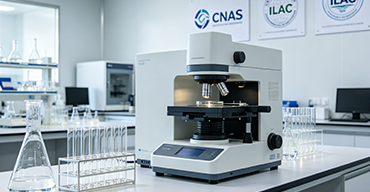
Internationally recognized authority
Certified by multiple international standards such as CNAS, VCS, and GS, with reports universally applicable worldwide.

Global service capability
Covering 140+ countries and regions, it supports on-site detection and remote verification in multiple languages.

Professional experimental methods
Adopt standard experimental methods to ensure accurate and reliable data.
Comprehensive Alkaloid Detection and Profiling Services for Phytochemical, Pharmaceutical, and Toxicological Research
Alkaloids represent one of the most structurally diverse and pharmacologically significant classes of natural products, encompassing over 12,000 identified compounds with profound biological activities—ranging from the analgesic morphine and the antimalarial quinine to the neuroactive caffeine and the chemotherapeutic vincristine. The accurate detection, identification, and quantification of alkaloids are fundamental to diverse scientific disciplines, including phytochemistry, metabolomics, pharmaceutical quality control, forensic toxicology, and food safety. However, the intrinsic challenges posed by alkaloid analysis—such as their wide polarity range, thermal lability, presence of stereoisomers, susceptibility to oxidative degradation, and frequent co-elution with matrix interferents—demand a sophisticated, multi-technological analytical approach. Our specialized detection platform is engineered to address these complexities with exceptional rigor, offering a comprehensive suite of qualitative and quantitative assays that deliver unparalleled depth, sensitivity, and structural certainty for alkaloid targets across an extensive array of biological and environmental matrices.

Strategic Rationale for Alkaloid Detection in Contemporary Research and Industry
Clients seeking alkaloid detection services are typically driven by one or more critical objectives that are integral to their research, development, or regulatory compliance mandates. In natural product drug discovery, the unambiguous identification of novel alkaloids from plant, fungal, or marine sources is the essential first step toward bioactivity-guided fractionation and lead optimization. In pharmaceutical manufacturing, rigorous batch-to-batch quantification of active alkaloid ingredients and the stringent monitoring of related impurities (including degradation products and synthetic by-products) are mandatory for Good Manufacturing Practice (GMP) compliance and regulatory submissions to agencies such as the FDA and EMA. For forensic and clinical toxicology, the rapid and sensitive detection of toxic alkaloids (e.g., atropine, strychnine, aconitine) in biological fluids is paramount for diagnosing poisoning events and guiding emergency interventions. In agricultural and food safety, the surveillance of tropane alkaloids and pyrrolizidine alkaloids in cereals, teas, and herbal supplements has become a regulatory priority due to their hepatotoxic and neurotoxic potentials. Furthermore, in environmental monitoring, alkaloid residues from pharmaceutical effluents and agricultural runoff are emerging as contaminants of emerging concern. Our service is structured to meet these diverse needs, providing validated, fit-for-purpose analytical solutions that are both scientifically robust and operationally efficient.
Advanced Analytical Technologies for Comprehensive Alkaloid Profiling
Our alkaloid detection platform synergistically integrates five complementary analytical pillars, each selected to address specific aspects of alkaloid chemistry and sample complexity. The cornerstone of our quantitative workflow is ultra-high-performance liquid chromatography coupled to tandem mass spectrometry (UHPLC-MS/MS), employing a high-resolution hybrid quadrupole-Orbitrap mass spectrometer that delivers mass resolving powers of up to 240,000 (FWHM) and mass accuracy below 1 ppm. This configuration enables the targeted quantification of over 200 known alkaloids using scheduled multiple reaction monitoring (sMRM) with isotopically labeled internal standards (e.g., morphine-d3, quinine-d3, caffeine-13C3) to correct for matrix effects and extraction recoveries, achieving lower limits of quantification (LLOQs) in the sub-picogram-per-milliliter (pg/mL) range for most analytes in plasma, urine, and plant extracts. For untargeted screening and discovery, we deploy full-scan high-resolution mass spectrometry (HRMS) with data-dependent acquisition (DDA) and all-ion fragmentation (AIF), coupled to advanced molecular networking and feature-based molecular networking (FBMN) algorithms on the GNPS platform. This approach enables the de novo annotation of unknown alkaloid congeners, including positional isomers and stereoisomers, by comparing fragmentation spectra against expansive in-house and public spectral libraries. Additionally, we employ gas chromatography-mass spectrometry (GC-MS) with derivatization for volatile and semi-volatile alkaloids (e.g., nicotine, cotinine), and capillary electrophoresis coupled to MS (CE-MS) for highly polar, non-retained alkaloids that are poorly resolved by reversed-phase LC. For structural elucidation of novel or unknown alkaloids, we incorporate nuclear magnetic resonance (NMR) spectroscopy—including 1D (1H, 13C, DEPT) and 2D (COSY, HSQC, HMBC, NOESY) experiments—on milligram-scale purified isolates, providing unequivocal connectivity and stereochemical assignment. This integrated, orthogonal approach ensures that no alkaloid, regardless of its physicochemical properties, escapes detection or unambiguous identification.
Exceptional Analytical Depth and Resolution in Alkaloid Characterization
Our platform routinely attains limits of detection (LOD) as low as 0.1 pg on-column for prototypical alkaloids under optimized MS conditions, while our chromatographic resolution (Rs > 2.0) achieves baseline separation of critical isomer pairs such as morphine and codeine, quinine and quinidine, and atropine and scopolamine—a feat that remains challenging for many commercial laboratories. Beyond simple quantification, we provide full fragmentation pathway elucidation via high-energy collisional dissociation (HCD) with stepped normalized collision energies (NCE), enabling the differentiation of alkaloid subclasses (e.g., tropanes, pyrrolizidines, isoquinolines, indoles) based on diagnostic product ions. For complex biological matrices (e.g., herbal extracts, plasma, liver microsomes, soil, and wastewater), our proprietary hybrid solid-phase extraction (SPE) and dispersive QuEChERS cleanup protocols effectively remove >98% of interfering lipids, pigments, and proteins while achieving extraction recoveries exceeding 92% across a wide polarity window (log P from –1.0 to 5.0). We further implement ion mobility spectrometry (IMS) coupled with HRMS to separate isobaric interferences based on their collision cross-section (CCS) values, adding an orthogonal dimension of selectivity that is particularly valuable for distinguishing alkaloids from co-eluting endogenous compounds with identical nominal masses. This technical prowess allows us to confidently assign alkaloid identities even at trace levels in highly degraded or adulterated samples, a capability that is indispensable for forensic investigations and regulatory enforcement.
Distinctive Advantages of Our Alkaloid Detection Service
Our service differentiates itself through a constellation of strategic assets that translate directly into superior outcomes for our clients. First, we maintain a curated, continuously updated in-house spectral database comprising over 1,500 alkaloid standards and their fragmentation spectra, retention indices, and CCS values, encompassing both common and rare alkaloids from terrestrial and marine sources. This library enables rapid, confident annotation without the need for client-supplied reference materials in many cases. Second, we offer custom method development and validation according to ICH, FDA, and EMA guidelines, including full validation of linearity, accuracy, precision, specificity, stability, and matrix effect, with inter-day reproducibility typically below 5% RSD and average recoveries between 95–105% for spiked quality controls. Third, our multi-matrix expertise encompasses plant tissues (leaves, roots, seeds, bark), biological fluids (serum, plasma, urine, saliva, cerebrospinal fluid), food commodities (honey, milk, grain, tea), environmental samples (water, sediment, air particulates), and pharmaceutical formulations (tablets, injectables, transdermal patches), with validated protocols that are adaptable to each unique matrix. Fourth, we provide stereochemical differentiation via chiral stationary phase LC-MS/MS, enabling the separate quantification of enantiomeric pairs that often possess divergent pharmacological and toxicological profiles (e.g., (+)- and (–)-ephedrine). Fifth, our reporting packages are comprehensive and publication-ready, including extracted ion chromatograms (EICs), full MS/MS spectra, calibration curves, quality control charts, and a detailed narrative of the analytical conditions, sample preparation steps, and data interpretation rationale, all presented in a format compliant with the reporting standards of leading journals such as Analytical Chemistry, Journal of Natural Products, and Forensic Science International. Sixth, our team of Ph.D. analytical chemists, natural product specialists, and toxicologists provides dedicated scientific consultation at every stage—from study design and sampling strategy to data mining and statistical interpretation—ensuring that the analytical output directly addresses the client's underlying biological or regulatory question.
Integrated Data Processing and Mechanistic Interpretation
We recognize that raw chromatographic and spectral data hold limited value without intelligent interpretation. Therefore, our service includes advanced data processing pipelines that employ proprietary algorithms for peak picking, deconvolution, and alignment across multiple batches, followed by multivariate statistical analysis (PCA, PLS-DA, OPLS-DA) to identify discriminant alkaloid features between experimental groups (e.g., treated vs. control, diseased vs. healthy, authentic vs. adulterated). For metabolomics-oriented clients, we integrate alkaloid quantitative data with transcriptomic or proteomic datasets using pathway enrichment analysis based on KEGG and MetaCyc alkaloid biosynthesis pathways, offering a systems-level view of alkaloid metabolism. Moreover, we offer in silico prediction of alkaloid degradation kinetics using Arrhenius-based modeling under various storage and processing conditions, providing clients with shelf-life estimates and stability-indicating parameters. For regulatory submissions, we compile comprehensive method validation reports that include all required figures of merit (LOD, LOQ, linearity range, recovery, matrix effect, process efficiency, and robustness), as well as uncertainty budgets calculated according to the Guide to the Expression of Uncertainty in Measurement (GUM). This level of data integration and interpretive depth ensures that our clients receive not just numbers, but actionable scientific intelligence that accelerates their decision-making processes.
Broad Applicability Across Research, Industrial, and Regulatory Domains
The versatility of our alkaloid detection service renders it indispensable across a wide spectrum of applications. In academic research, our assays support chemotaxonomic studies, biosynthetic pathway elucidation, and the investigation of alkaloid-mediated ecological interactions. In pharmaceutical and nutraceutical industries, our service underpins quality control of raw materials, in-process controls, and stability studies, as well as impurity profiling for generic drug approval. In forensic laboratories, our rapid screening panels for toxic alkaloids provide critical evidence in criminal investigations and workplace drug testing. In food safety agencies, our methods are used for official control monitoring of pyrrolizidine alkaloid contamination in herbal teas and honey, in compliance with EFSA and JECFA regulations. In veterinary medicine, we quantify alkaloid residues in animal feed and tissues to prevent carryover into the human food chain. In environmental sciences, our trace-level detection capabilities facilitate the assessment of pharmaceutical alkaloids as emerging pollutants in water resources. By accommodating this diverse clientele, we have developed a flexible service model that adapts our technological arsenal to the specific regulatory framework and scientific question at hand, delivering data that are both legally defensible and scientifically compelling.
Commitment to Innovation, Quality, and Collaborative Partnership
We are unwaveringly committed to advancing the frontier of alkaloid analysis through sustained investment in R&D and strategic technology adoption. Our current innovation initiatives include the development of ambient ionization mass spectrometry (paper spray and DESI) for direct, real-time alkaloid screening without sample preparation, and the implementation of machine learning classifiers that predict alkaloid class and bioactivity from untargeted MS/MS data. We also participate actively in inter-laboratory proficiency testing schemes (e.g., FAPAS, NIST, and AOCS) to benchmark our performance against global standards, consistently achieving z-scores below 0.5. Our global sample logistics network ensures the secure, temperature-controlled, and customs-cleared transport of samples from any origin, with a typical turnaround time of 7 to 12 business days for standard alkaloid panels and expedited (48-hour) service for emergency toxicology cases. Most importantly, we view each client engagement as a collaborative partnership, offering flexible pricing models that range from single-target quantification to full-scale multi-omics discovery projects, always with transparent reporting of any limitations and uncertainties. Our success is measured not merely by the data we produce, but by the scientific and commercial value our clients derive from those data—whether it be a novel alkaloid patent, a regulatory approval, or a life-saving clinical diagnosis.
In summary, our alkaloid detection service represents a comprehensive, scientifically rigorous, and client-centric solution that transcends conventional analytical offerings. By integrating state-of-the-art instrumentation, exhaustive method validation, deep mechanistic interpretation, and responsive expert support, we empower our clients to navigate the complexities of alkaloid chemistry with confidence and precision. We invite you to collaborate with us to address your most challenging alkaloid analysis requirements and to unlock the full potential of your natural product research, pharmaceutical development, or safety monitoring program.