Reasons for choosing our testing services
ZHONGXI Testing has obtained inspection qualification certifications from multiple countries and regions worldwide. We possess a senior testing team and advanced testing methods, providing independent, impartial, and professional third-party verification services for global carbon projects.
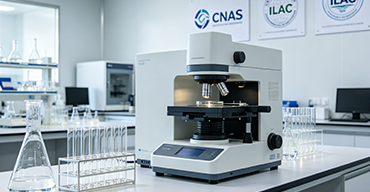
Internationally recognized authority
Certified by multiple international standards such as CNAS, VCS, and GS, with reports universally applicable worldwide.

Global service capability
Covering 140+ countries and regions, it supports on-site detection and remote verification in multiple languages.

Professional experimental methods
Adopt standard experimental methods to ensure accurate and reliable data.
Comprehensive Quality and Safety Assessment of Spirulina (Arthrospira) Biomass Paste for Nutraceutical, Feed, and Pharmaceutical Applications
Spirulina (cyanobacteria of the genus Arthrospira) is one of the most widely cultivated and commercially valuable microalgae, prized for its exceptionally high protein content (up to 70% dry weight), abundant essential amino acids, vitamins, minerals, phycocyanin, and antioxidant compounds. The "spirulina paste" or "algae paste" refers to the wet, concentrated biomass obtained after harvesting and dewatering, which serves as an intermediate product before drying or further processing. This paste presents a unique set of analytical challenges, including high moisture content, rapid microbial spoilage, enzymatic degradation of pigments and proteins, and the potential accumulation of heavy metals or mycotoxins from the cultivation environment. Moreover, the nutritional and functional quality of the paste is highly dependent on the cultivation conditions, harvest timing, and processing steps, necessitating a rigorous, multi-parameter analytical framework to ensure product safety, consistency, and label accuracy. Our specialized detection service provides a complete, fully validated suite of physico-chemical, microbiological, and bioactivity assays tailored specifically to Spirulina paste, delivering the high-fidelity data required for quality control, process optimization, regulatory compliance, and product development across the nutraceutical, feed, and pharmaceutical industries.

Scientific and Industrial Rationale for Spirulina Paste Analysis
Clients seeking analytical services for Spirulina paste are motivated by a range of critical objectives. In commercial production, the primary need is to verify that each batch meets the declared nutritional composition (protein, carbohydrates, lipids, ash, moisture) and to monitor key quality indicators such as phycocyanin content and antioxidant activity, which directly influence product pricing and consumer acceptance. In food safety and regulatory compliance, stringent testing for heavy metals (lead, cadmium, arsenic, mercury), aflatoxins, microcystins, and pathogenic microorganisms (e.g., Salmonella, E. coli, Staphylococcus aureus) is mandatory to meet the specifications of global authorities including FDA, EFSA, and Codex Alimentarius. In process development, producers require detailed compositional data to optimize harvesting, washing, and paste stabilization methods (e.g., pH adjustment, preservative addition) to minimize degradation during cold chain storage. For quality assurance in feed applications, the paste must be evaluated for digestibility, amino acid profile, and the absence of anti-nutritional factors. Additionally, in pharmaceutical research, the characterization of bioactive fractions (phycocyanin, polysaccharides, gamma-linolenic acid) demands high-resolution analytical methods capable of quantifying these components with precision. Our service is architected to address these diverse needs, offering a modular, customizable approach that adapts to the specific matrix and intended use of the paste, from routine release testing to in-depth stability studies and impurity profiling.
Integrated Analytical Workflow for Comprehensive Spirulina Paste Profiling
Our analytical platform for Spirulina paste is structured into five interconnected modules that collectively provide a holistic picture of quality, safety, and functional performance. The Proximate Composition Module uses AOAC official methods: moisture (gravimetric drying at 105°C), ash (muffle furnace at 550°C), crude protein (Kjeldahl digestion with a nitrogen-to-protein conversion factor of 6.25), crude fat (Soxhlet extraction with petroleum ether), and total dietary fiber (enzymatic-gravimetric method). For carbohydrates, we calculate by difference and also perform monosaccharide analysis using HPAEC-PAD after acid hydrolysis to quantify the specific sugars (glucose, fructose, galactose, rhamnose) that influence product viscosity and fermentability. The Pigment and Bioactive Module employs ultra-high-performance liquid chromatography with photodiode array detection (UHPLC-PDA) for the simultaneous quantification of phycocyanin (extracted in phosphate buffer and measured at 620 nm, with purity ratio A620/A280 ≥ 0.8 considered as food-grade), allophycocyanin, chlorophyll a, and total carotenoids (β-carotene and zeaxanthin), with limits of quantification (LOQ) of 0.01 mg/g for phycocyanin and 0.05 µg/g for individual carotenoids. The Elemental and Contaminant Module uses inductively coupled plasma mass spectrometry (ICP-MS) after microwave digestion to quantify heavy metals (As, Pb, Cd, Hg, Sn) at sub-ppb levels (LOQ of 0.5 µg/kg), and atomic fluorescence spectroscopy (AFS) for total arsenic speciation to distinguish between toxic inorganic arsenic and nontoxic arsenobetaine. For mycotoxins (aflatoxins B1, B2, G1, G2 and ochratoxin A), we employ immunoaffinity column cleanup followed by HPLC-FLD with post-column derivatization, achieving LOQs of 0.1–0.5 µg/kg, well below the EU and FDA regulatory limits. The Microbiological Module performs total aerobic microbial count (TAMC) and total combined yeasts/molds count (TYMC) per USP <61>, along with pathogen detection for Salmonella spp., E. coli, and S. aureus using selective media and biochemical confirmation. Additionally, we test for cyanotoxins—specifically microcystins (MC-LR, MC-RR, MC-YR)—using LC-MS/MS with a detection limit of 0.1 µg/L in the paste extract, ensuring compliance with the WHO provisional guideline for drinking water equivalents. The Functional and Stability Module evaluates antioxidant capacity through the DPPH, ABTS, and FRAP assays, with results expressed as Trolox equivalents, and assesses protein solubility at different pH values and temperatures, as well as emulsifying and foaming properties—critical for food formulation. We also conduct accelerated shelf-life studies by monitoring changes in phycocyanin content, color (L*a*b* values), and peroxide value under controlled temperature and humidity, using our proprietary kinetic models to predict degradation rates and optimal storage conditions.
Unmatched Analytical Precision, Sensitivity, and Specificity
Our platform delivers performance metrics that set new standards in Spirulina analysis. For proximate composition, our protein quantification (Kjeldahl) achieves a relative standard deviation (RSD) of less than 1.5% for replicate samples, while our fat extraction (Soxhlet) provides recoveries of 98–102% for spiked oils. In pigment analysis, our UHPLC-PDA method resolves phycocyanin from interfering proteins and other pigments with a linear range from 0.01 to 10 mg/mL (R² > 0.999), and we quantify β-carotene and zeaxanthin with accuracy within ±3% of reference standards. For heavy metals, ICP-MS offers detection limits in the low ppt range and we routinely report results with expanded uncertainties (k=2) below 10% for all regulated elements. Our microcystin analysis employs isotope dilution (using 13C-MC-LR internal standard) to correct for matrix effects, achieving inter-day precision of ≤ 5% RSD at the 1 µg/L level—a capability that is particularly rare among commercial testing laboratories. Furthermore, we are one of the few facilities offering speciated arsenic analysis using IC-ICP-MS, distinguishing As(III), As(V), DMA, and MMA, enabling clients to demonstrate the safety of their product in markets with inorganic arsenic limits. In microbiological testing, our automated system (VITEK 2) provides species-level identification of isolates within 24 hours, with >99% concordance with reference methods. Additionally, we perform 16S rRNA amplicon sequencing to detect the presence of potential spoilage organisms or contaminants that may not grow on standard media, offering an advanced early-warning system for microbial instability. Our antioxidant assays are validated against Trolox standards and provide intra-assay variability below 3%, ensuring robust comparisons across batches.
Distinctive Advantages of Our Spirulina Paste Detection Service
Our service is differentiated by several unique features that provide exceptional value to our clients. First, we have developed species- and matrix-specific extraction protocols that account for the delicate structure of Spirulina filaments and the high water-binding capacity of the paste. For phycocyanin, we use a freeze-thaw and sonication-assisted extraction that maximizes yield and preserves the protein's native trimeric structure, as confirmed by size-exclusion chromatography, while for lipids, we employ a methyl-tert-butyl ether (MTBE) method that is less prone to emulsification and provides higher recovery of polar glycolipids compared to conventional chloroform-based methods. Second, we maintain a comprehensive historical database of compositional values from over 500 commercial and research Spirulina samples, enabling rapid benchmarking of client results and identification of outliers that may indicate processing errors or adulteration. Third, we offer a rapid screening package using near-infrared (NIR) reflectance spectroscopy with PLS calibration models (developed and validated on our extensive library) that provide estimates of protein, moisture, ash, and phycocyanin content within 15 minutes of sample receipt with an accuracy of ±5%, ideal for in-process quality checks and for triaging samples prior to full confirmatory testing. Fourth, we provide customized stability study designs that simulate actual supply chain conditions—including temperature fluctuations, exposure to light, and transportation vibrations—and provide kinetic parameters (Ea, Q10) that allow clients to predict shelf life under their specific storage scenarios. Fifth, our multi-analyte regulatory package combines heavy metals, mycotoxins, microcystins, and microbiology into a single, streamlined workflow, significantly reducing the total turnaround time (typically 5 business days) and cost compared to sending samples to separate specialty labs. Sixth, all our methods are accredited under ISO/IEC 17025 and are regularly verified through participation in proficiency testing schemes (e.g., FAPAS, LGC, and AOCS), ensuring that our data are globally recognized and legally defensible. We also offer full method validation documentation upon request, including specificity, linearity, precision, recovery, LOD, LOQ, and robustness, which is particularly valuable for clients submitting data for regulatory dossier or novel food applications.
Interpretive Reporting and Quality Management Integration
We understand that the value of analytical data lies in its ability to drive quality decisions. Our final reports are therefore structured to provide four levels of actionable information: (i) a certificate of analysis (CoA) summarizing key compliance parameters against specified limits, with clear pass/fail status for each test; (ii) a detailed analytical report containing all raw data, chromatograms, spectra, calibration curves, and quality control charts, with an audit trail for each measurement; (iii) a statistical summary comparing the current batch to historical averages and specifying any deviations beyond three standard deviations; and (iv) an interpretive commentary from our Ph.D.-level food scientists and microbiologists, offering insights on potential root causes for any out-of-specification results (e.g., elevated lead may suggest a change in water source, low phycocyanin may indicate overheating during pasteurization) and suggesting corrective actions. For clients with multiple production sites or multiple batches, we provide trend analysis dashboards accessible via our secure online portal, enabling real-time monitoring of quality metrics and early detection of process drift. We also offer consulting services to assist clients in interpreting the data in the context of their specific product applications—for instance, relating protein solubility data to expected performance in beverage formulations, or linking antioxidant capacity to shelf-life extension claims. This collaborative, consultative approach transforms our service from a mere testing facility into a strategic partner for quality assurance and product development.
Applications in Production, R&D, Regulatory, and Supply Chain Management
The versatility of our Spirulina paste detection service spans the entire value chain. In commercial production, our release testing ensures that only paste meeting the target specifications is used for drying or further processing, minimizing waste and rework. In research and development, our detailed compositional and functional profiling supports the formulation of new products (e.g., plant-based proteins, functional beverages, cosmetics) by providing the precise ingredient attributes needed for formulation modeling. In regulatory compliance, our validated data packages facilitate submissions for GRAS, Novel Food, and health claim approvals, significantly reducing the risk of rejection due to data insufficiency or analytical inadequacy. In supply chain management, our testing serves as a quality gate for incoming raw paste from multiple suppliers, enabling clients to compare supplier performance and select the most consistent sources. We also cater to quality audits by providing comprehensive documentation and access to our quality management system, which is fully compliant with GMP and HACCP principles. For certification bodies, our data support organic, sustainable, and fair-trade certifications by verifying that the paste is free from prohibited contaminants and meets purity requirements. By adapting our assay menu and reporting to the specific needs of each client segment, we have established ourselves as the partner of choice for producers, formulators, and regulators alike.
Commitment to Innovation, Reliability, and Client Partnership
We are continuously investing in novel technologies to stay at the forefront of microalgal analytics. Our current R&D includes the development of portable, smartphone-based colorimetric assays for on-site phycocyanin and heavy metal screening, and the integration of metabolomics and proteomics to uncover biomarkers for early detection of contamination or thermal abuse. We also actively participate in international standardization efforts for Spirulina quality parameters, ensuring our methods align with emerging consensus protocols. Our quality system undergoes annual external audits, and we maintain eight of the world's leading proficiency testing schemes across all analytical domains. We offer flexible service models—from ad-hoc single sample testing to long-term partnership agreements with dedicated account management, volume pricing, and priority handling for urgent batches. With a global sample receipt network and 24/7 customer support, we ensure that samples from any origin are processed within 48 hours of arrival, with standard turnaround times of 3–7 business days depending on the selected parameters. We are committed to transparency, scientific rigor, and client success, and we see each engagement as an opportunity to contribute to the safe, sustainable, and high-quality utilization of this remarkable cyanobacterium. We invite you to partner with us to ensure your Spirulina paste meets the highest standards of quality, safety, and functionality.
In conclusion, our Spirulina paste detection service delivers a comprehensive, precise, and actionable analytical solution that covers all critical aspects of quality, safety, and functional performance. By integrating state-of-the-art instrumentation, matrix-optimized protocols, deep interpretive expertise, and a client-focused collaborative approach, we empower our customers to achieve consistent product excellence, regulatory compliance, and competitive advantage in the global market. We look forward to supporting your quality assurance and innovation efforts with our dedicated analytical capabilities.