Reasons for choosing our testing services
ZHONGXI Testing has obtained inspection qualification certifications from multiple countries and regions worldwide. We possess a senior testing team and advanced testing methods, providing independent, impartial, and professional third-party verification services for global carbon projects.

Internationally recognized authority
Certified by multiple international standards such as CNAS, VCS, and GS, with reports universally applicable worldwide.

Global service capability
Covering 140+ countries and regions, it supports on-site detection and remote verification in multiple languages.

Professional experimental methods
Adopt standard experimental methods to ensure accurate and reliable data.
Comprehensive Detection and Activity Assessment of Nitrogen-Fixing Spirulina (Diazotrophic Cyanobacteria) for Biofertilizer, Aquaculture, and Environmental Biotechnology
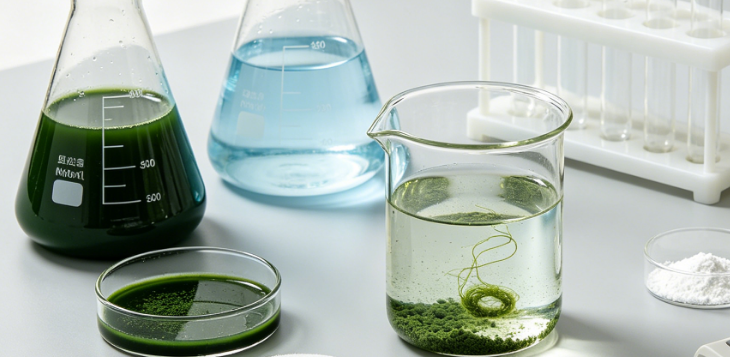
Nitrogen-fixing Spirulina (often referring to cyanobacteria of the genera Arthrospira and related taxa with diazotrophic capacity) are photosynthetic, filamentous microorganisms that convert atmospheric dinitrogen into bioavailable ammonia via the nitrogenase enzyme complex. These organisms are of immense biotechnological importance as sustainable biofertilizers, protein-rich feed supplements, and agents for wastewater bioremediation. However, the reliable detection, quantitation, and functional characterization of these nitrogen-fixing cyanobacteria in diverse matrices—including culture media, soil inoculants, aquaculture ponds, and commercial products—present significant analytical challenges: the need to distinguish viable, nitrogen-fixing cells from non-fixing contaminants or dead biomass; the highly oxygen-sensitive nature of nitrogenase activity; the presence of interfering substances in complex environmental samples; and the requirement for rapid, cost-effective monitoring of viable counts and nitrogenase activity. Our specialized detection platform offers a fully integrated suite of analytical and biological assays, encompassing microscopic enumeration, viability staining, nitrogenase activity measurement (acetylene reduction assay), molecular detection (qPCR and metagenomics), and biochemical profiling. Whether the client is a biofertilizer manufacturer, an aquaculture farm, a research institution, or an environmental consultant, our service provides the precision, sensitivity, and interpretive depth necessary to ensure product quality, process optimization, and regulatory compliance.
Scientific and Applied Rationale for Nitrogen-Fixing Spirulina Detection
Clients seeking analytical services for nitrogen-fixing spirulina are motivated by diverse objectives. In biofertilizer production, the primary need is to quantify viable cell counts and nitrogenase activity to guarantee product efficacy and shelf-life, as well as to detect contamination by non-target microorganisms. In aquaculture and feed applications, monitoring the presence and density of nitrogen-fixing cyanobacteria in pond water or feed supplements is essential to ensure a stable supply of natural protein and to prevent cyanotoxin-producing species from dominating. In environmental bioremediation, assessing the nitrogen-fixing capacity of microbial consortia is critical for evaluating the potential to reduce synthetic fertilizer inputs. In basic research, detailed characterization of nitrogenase gene expression and activity is required to understand the regulation of nitrogen fixation under various environmental stress conditions. In regulatory compliance, manufacturers must provide evidence of purity, viable cell counts, and absence of pathogens for product registration. Our service is architected to address these needs through a modular, fully validated analytical framework that combines microbiological, molecular, and functional assays.
Integrated Analytical Pipeline for Holistic Nitrogen-Fixing Spirulina Characterization
Our analytical platform is organized into five interconnected modules that collectively deliver comprehensive data on identity, viability, activity, and genetic potential. The Enumeration and Viability Module employs epifluorescence microscopy with SYTO9/PI staining (live/dead differentiation) and flow cytometry for rapid, high-throughput counting of viable cells, achieving linearity from 10² to 10⁷ cells/mL and precision within ±5% RSD. For culture purity assessment, we perform spread-plate cultivation on selective media (e.g., nitrogen-free BG11) to confirm the dominance of the target diazotrophic population, and we identify contaminants via MALDI-TOF MS. The Nitrogenase Activity Module uses the acetylene reduction assay (ARA) by gas chromatography with flame ionization detection (GC-FID), measuring the conversion of acetylene to ethylene as a proxy for nitrogenase activity. We provide specific activity rates (nmol C₂H₄ · mg protein⁻¹ · h⁻¹) with LOD of 1 nmol/h and linearity over a 100-fold range, and we also perform in vivo activity under controlled light and oxygen conditions to reflect physiological status. The Molecular Identification Module uses quantitative real-time PCR (qPCR) with primers targeting the conserved nifH gene (nitrogenase reductase), which is specific to nitrogen-fixing organisms. We provide absolute quantification via standard curves (genomic DNA or plasmid) with LOQ of 10 gene copies per reaction and specificity confirmed by melt-curve analysis. For community profiling, we perform amplicon sequencing of the nifH gene using Illumina platforms, achieving depth > 50,000 reads per sample and resolution at species or genus level. Additionally, we use 16S rRNA sequencing for broader taxonomic identification of the diazotrophic community. The Metabolite and Pigment Module quantifies chlorophyll a, phycocyanin, and allophycocyanin by spectrophotometry (with specific extinction coefficients) to assess photosynthetic biomass, and we measure total protein (Bradford assay) for normalization of activity data. The Contaminant and Toxin Module screens for microcystins and nodularins by LC-MS/MS (LOQ 0.1 µg/L) and for heavy metals by ICP-MS, ensuring that the product meets safety standards for feed and environmental applications. All modules are validated with reference strains (e.g., Arthrospira platensis or Nostoc spp.) and include strict quality controls (blank, positive, and negative controls) to ensure data integrity.
Unmatched Sensitivity, Specificity, and Functional Resolution
Our platform delivers exceptional performance. The ARA assay achieves signal-to-noise ratios > 50:1 and reproducibility within < 8% RSD across replicate samples, and we provide Michaelis-Menten kinetic parameters for nitrogenase under different substrate concentrations. Our qPCR method for nifH exhibits 100% specificity against a panel of common non-diazotrophic cyanobacteria and heterotrophic bacteria, and we use multiplex qPCR to simultaneously quantify multiple diazotrophic taxa in mixed cultures. For flow cytometry, our gating strategy enables the discrimination of live cells, dead cells, and cellular debris with coefficient of variation < 3% for fluorescence intensity. We also perform fluorescence in situ hybridization (FISH) with nifH probes to visualize actively fixing cells within complex flocs or biofilms. Furthermore, we provide nitrogenase activity inhibition tests with O₂ or NH₄⁺ to confirm that measured activity is attributable to nitrogenase and not to other reductases. This multi-layered approach ensures that our clients receive both quantitative and functional information, differentiating active nitrogen fixers from inactive biomass.
Distinctive Advantages of Our Nitrogen-Fixing Spirulina Detection Service
Our service offers several unique benefits. First, we have developed matrix-specific sample preparation protocols for a wide range of materials—including liquid cultures, lyophilized powders, soil/water environmental samples, and animal feed—each optimized for cell recovery, nucleic acid extraction, and removal of PCR inhibitors, achieving recoveries > 90% for spiked cells. Second, we maintain a reference strain collection and a comprehensive nifH database that includes sequences from over 200 nitrogen-fixing cyanobacteria, enabling rapid and accurate taxonomic assignment of unknown isolates. Third, we provide a rapid screening service using a colorimetric nitrite detection method (Griess assay) that measures the ammonium produced by nitrogenase activity in situ within 30 minutes, providing a fast, semi-quantitative proxy for fixation potential. Fourth, our viability and activity correlation studies combine live/dead staining, cellular ATP content, and nitrogenase activity to produce a physiological activity index that gives clients a clear picture of the culture's health and potential. Fifth, we offer customized protocol development for novel strains or unusual matrices, including the design of species-specific primers for qPCR and validation of extraction efficiency. Sixth, all our methods comply with ISO 17025, AOAC, and EPA guidelines, and we provide full validation dossiers including specificity, linearity, accuracy, precision, LOD, LOQ, and robustness. Our team of microbiologists and molecular ecologists provides interpretive consultations, helping clients to understand the ecological or process significance of their results—for instance, linking a decline in nifH copies with a drop in nitrogenase activity due to oxygen stress or nutrient limitation.
Advanced Data Integration, Predictive Modeling, and Reporting
Our reporting transforms analytical data into actionable intelligence. We provide a comprehensive final report that includes: (i) an executive summary with key metrics (viable cell count, nifH copy number, nitrogenase activity, purity, and contaminant status); (ii) a detailed analytical section with raw data, chromatograms, amplification plots, and microscopy images; (iii) a statistical comparison with reference or historical data, including trend analysis and control charts for repeat clients; and (iv) an interpretive commentary that explains the biological and applicational relevance of the findings—for example, whether the measured activity is sufficient for field application as biofertilizer, or if the community composition indicates a healthy, stable culture. For environmental samples, we provide diversity indices (Shannon, Simpson) and ordination plots (PCA, NMDS) to visualize community structure. We also offer predictive modeling of nitrogen fixation rates based on biomass and environmental parameters, which aids in dosing and application timing. All raw data files (chromatograms, sequencing reads, flow cytometry FCS files) are provided for client access and verification.
Broad Applications Across Biofertilizer Production, Aquaculture, Environmental Monitoring, and Research
The versatility of our service makes it valuable across multiple sectors. In biofertilizer manufacturing, we support quality control of raw materials and finished products, ensuring that the inoculant meets label claims and field efficacy. In aquaculture, our monitoring of nitrogen-fixing cyanobacteria helps maintain a balanced pond ecosystem and prevents harmful algal blooms. In environmental remediation, our assessment of natural nitrogen fixation potential supports the design of phytoremediation or wetland restoration projects. In agricultural research, we quantify nitrogen fixation in crop-associated diazotrophs to develop low-input farming systems. In bioprospecting, we screen for novel strains with high nitrogenase activity or tolerance to environmental stress. In regulatory compliance, our validated data packages facilitate product registration with agencies such as EPA, EFSA, and national fertilizer regulators. Our ability to scale from single-sample analysis to high-throughput screening ensures that we serve both small research groups and large industrial operations.
Commitment to Innovation, Quality, and Collaborative Partnership
We are dedicated to advancing the science of nitrogen-fixing cyanobacteria analysis through continuous innovation. Our current R&D includes the development of biosensor-based assays for real-time nitrogenase activity monitoring in bioreactors, and the application of metagenomic and metatranscriptomic approaches to profile the full functional potential of diazotrophic communities. We actively participate in inter-laboratory proficiency testing for microbial enumeration and molecular detection, and we contribute to the development of reference materials for nitrogen-fixing organisms. Our quality system is ISO 17025 and ISO 9001 certified, and we follow GLP for all regulatory studies. We offer flexible service agreements, from one-off analyses to long-term monitoring contracts with dedicated support and priority handling. Our global logistics provide detailed sampling kits (sterile containers, preservatives) and instructions to ensure sample integrity during transit. Turnaround times range from 2 business days for viability and basic microscopy to 10 business days for full molecular and activity characterization. We maintain transparent communication and provide expert guidance throughout the project. Our success is measured by our clients' ability to optimize their processes, ensure product quality, and achieve regulatory approvals. We invite you to partner with us for rigorous, reliable, and insightful analytical support for your nitrogen-fixing spirulina projects.
In summary, our nitrogen-fixing spirulina detection service delivers a comprehensive, precise, and application-oriented analytical solution that integrates viability assessment, nitrogenase activity measurement, molecular quantification, and community profiling. By combining advanced microbiology, molecular biology, and analytical chemistry with expert interpretation, we empower our clients to unlock the full potential of these sustainable microorganisms. We look forward to supporting your biofertilizer, aquaculture, and environmental initiatives with our dedicated analytical capabilities.