Reasons for choosing our testing services
ZHONGXI Testing has obtained inspection qualification certifications from multiple countries and regions worldwide. We possess a senior testing team and advanced testing methods, providing independent, impartial, and professional third-party verification services for global carbon projects.

Internationally recognized authority
Certified by multiple international standards such as CNAS, VCS, and GS, with reports universally applicable worldwide.

Global service capability
Covering 140+ countries and regions, it supports on-site detection and remote verification in multiple languages.

Professional experimental methods
Adopt standard experimental methods to ensure accurate and reliable data.
Precision Nitrite Quantification Services for Food Safety, Environmental Monitoring, and Clinical Diagnostics
Nitrite (NO₂⁻) is a ubiquitous chemical species that serves as a key intermediate in the nitrogen cycle, a permitted food preservative, and a critical biomarker of nitric oxide metabolism. However, its presence in excess constitutes a serious health and environmental hazard: in acidic gastric conditions, nitrite reacts with secondary amines to form carcinogenic N-nitrosamines; in aquatic ecosystems, elevated nitrite levels are toxic to fish and other aquatic organisms; in clinical settings, nitrite is a marker of bacterial infections (e.g., urinary tract infections) and of systemic inflammatory states. Consequently, the accurate, sensitive, and reliable measurement of nitrite concentrations is mandatory across diverse industries—from food processing and drinking water treatment to aquaculture, agriculture, and biomedical research. Our specialized detection platform offers a comprehensive suite of validated analytical methods, including ion chromatography (IC), spectrophotometry (Griess reaction), high-performance liquid chromatography (HPLC), capillary electrophoresis (CE), and advanced electrochemical sensors, delivering unmatched sensitivity, specificity, and matrix adaptability. Whether the client is a food manufacturer, a water utility, a clinical laboratory, or an environmental consultant, our service provides the precise, regulatory-compliant data required to ensure safety, monitor quality, and support research.
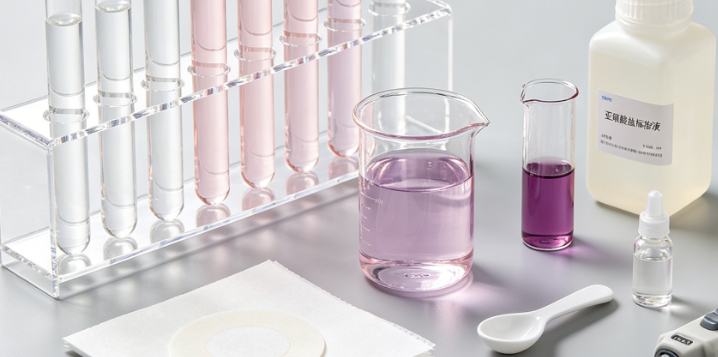
Scientific and Regulatory Drivers for Nitrite Analysis
Clients seeking nitrite detection services are motivated by a range of critical compliance, safety, and research imperatives. In food safety and quality control, regulatory limits for nitrite in cured meats (e.g., bacon, sausages) and cheeses are strictly enforced by agencies such as the FDA, USDA, and EFSA, with maximum allowable levels typically set at 50–200 mg/kg depending on the product. In drinking water and wastewater monitoring, the World Health Organization and the US EPA have established a maximum contaminant level (MCL) of 1 mg/L (as nitrogen) for nitrite in public water supplies, necessitating frequent and accurate testing. In aquaculture and fish farming, nitrite toxicity is a leading cause of mortality; rapid, on-site testing with high sensitivity is essential for maintaining healthy conditions. In clinical and biomedical research, nitrite in urine, serum, or saliva is used as a biomarker for inflammatory diseases, sepsis, and as an indicator of nitric oxide synthase activity. In agricultural and soil science, monitoring nitrite levels in fertilizers and soil solutions helps assess nitrogen cycling and optimize crop nutrition. In pharmaceutical and chemical manufacturing, nitrite is a process impurity that must be controlled to meet purity specifications. Our service is architected to address these diverse needs through a modular, ISO 17025-accredited analytical framework that adapts to the specific matrix (water, food, soil, biological fluid) and the client's regulatory or research question.
Integrated Analytical Pipeline for High-Fidelity Nitrite Profiling
Our analytical platform is organized into three interconnected modules that collectively deliver reliable nitrite quantification across all sample types. The Sample Preparation and Stabilisation Module employs customized extraction and derivatisation protocols tailored to the matrix—for example, acidification and distillation for food matrices, filtration and preservation with NaOH for water samples, and protein precipitation with acetonitrile for plasma or urine. We incorporate internal standards (e.g., 15N-labelled nitrite) to correct for sample loss and matrix effects, achieving recoveries of 95–102% with relative standard deviations (RSD) < 2%. The Chromatographic and Spectroscopic Module offers a choice of primary detection platforms: ion chromatography (IC) with conductivity or UV detection, providing LOQs of 5 µg/L (as nitrite ion) and a linear dynamic range up to 100 mg/L, with baseline separation from nitrate and other anions in under 10 minutes. For trace-level analysis, we employ reversed-phase HPLC coupled with UV-Vis detection after derivatisation with 2,4-dinitrophenylhydrazine (DNPH) or the Griess reaction, achieving LOQs as low as 0.5 µg/L. For ultimate sensitivity and specificity, we use LC-MS/MS with selected reaction monitoring (SRM) for nitrite (transition m/z 47→29 and 47→46), reaching sub-ppb detection limits (LOD < 0.1 µg/L) and eliminating interferences from closely eluting species. The Electrochemical and Rapid Module provides amperometric or potentiometric biosensors with screen-printed electrodes, delivering real-time, on-site results with LODs of 1–10 µg/L and a measurement time of less than 5 minutes, ideal for field use and high-frequency process control. All modules are validated according to EPA Method 300.0, ISO 13395, AOAC Official Methods, and CLSI guidelines, and we provide full validation dossiers including specificity, linearity, accuracy, precision, LOD, LOQ, and robustness, with system suitability criteria that are monitored for every batch.
Unmatched Sensitivity, Selectivity, and Matrix Versatility
Our platform routinely delivers performance that surpasses regulatory requirements and typical industry capabilities. For water and beverage matrices, our IC method achieves coefficients of variation (CV) below 1.5% at concentrations near the regulatory limit, and we provide method detection limits (MDLs) as low as 2 µg/L (as nitrite-N). For biological samples, our LC-MS/MS method offers absolute sensitivity of 0.1 µg/L in plasma and urine, with minimal ion suppression (< 5%) due to optimized sample clean-up (SPE on mixed-mode sorbents). In food samples (e.g., cured meats), our colorimetric Griess assay after careful deproteinisation and de-fatting yields recoveries of 98–100% for spiked samples, with inter-laboratory reproducibility (RSD) < 4% as verified through proficiency testing. We also offer speciation analysis that differentiates nitrite from nitrate and from other nitrogen-containing interferents, using selective reduction and gas-phase chemiluminescence detection when required. For complex environmental samples (e.g., soil extracts, industrial effluents), our method incorporates matrix-matched calibration and standard addition to eliminate systematic biases, ensuring accurate quantification even in samples with high ionic strength or colored interference. Our capability to handle matrixes ranging from ultrapure water to fatty foods and muddy sediments, combined with our ability to detect nitrite at the part-per-trillion level in selected applications, makes us the partner of choice for both regulatory compliance and advanced research studies.
Distinctive Advantages of Our Nitrite Detection Service
Our service offers several unique benefits that directly address client needs. First, we provide customised method selection—clients can choose from standard, high-throughput, or ultra-trace packages, with the flexibility to switch between platforms as their project evolves, all without revalidation. Second, we maintain a comprehensive in-house reference material bank including NIST-traceable nitrite standards, certified reference materials for food and water, and an extensive archive of previously analysed matrices, enabling rapid benchmarking and outlier detection. Third, we offer a rapid emergency response service with a turnaround time of 4–6 hours for urgent samples (e.g., suspected contamination events), using our fully mobile field-capable EC sensors backed by confirmatory lab analysis. Fourth, our stability and storage studies evaluate the effects of temperature, pH, light, and preservatives on nitrite concentration over time, providing clients with evidence-based sample handling and storage recommendations. Fifth, we provide customised data reporting and regulatory interpretation—including direct comparison to applicable limits, trend analysis for time-series data, and, where relevant, conversion between nitrite ion, nitrite-nitrogen, and sodium nitrite equivalents. Sixth, all our methods are accredited under ISO/IEC 17025 and comply with GLP guidelines, and we participate in international proficiency testing schemes (e.g., FAPAS, ERA, IAEA) to continuously verify our performance. Our team of analytical chemists and environmental scientists provides dedicated interpretive support, helping clients to differentiate between transient nitrite spikes and persistent contamination, to assess the impact of sample treatment on nitrite stability, and to design effective mitigation strategies.
Advanced Data Integration, Trend Analysis, and Reporting
We understand that analytical data must inform decision-making. Our final reports are structured to deliver three levels of information: (i) a certificate of analysis (CoA) that presents the nitrite concentration (with units and measurement uncertainty), the method used, and a clear pass/fail judgment against the client's specification or regulatory limit; (ii) a detailed analytical report containing raw chromatograms, calibration curves, quality control results (system suitability, internal standard recovery, duplicate precision), and a full description of sample preparation and analytical conditions; and (iii) an interpretive summary that discusses the implications of the results—for example, whether a rising trend in nitrite in a water body may indicate insufficient denitrification, or whether the nitrite level in a food product is within acceptable margins for safety and shelf-life. For clients with multiple time-points or locations, we perform statistical process control (SPC) charts, moving average analyses, and seasonal trend decomposition to detect shifts and provide early warnings. We also offer predictive modelling of nitrite formation or decay based on environmental parameters (temperature, pH, oxygen) when historical data are available, enabling proactive management. All data are provided in both human-readable PDF and machine-readable CSV/Excel formats, ensuring seamless integration into our clients' existing data management systems.
Broad Applications Across Food, Water, Environmental, Clinical, and Industrial Sectors
The versatility of our nitrite detection service makes it indispensable across the full spectrum of regulated and research activities. In food industry, we support QA/QC of raw materials, in-process monitoring, and final product testing for cured meats, cheeses, and fermented foods. In drinking water and wastewater utilities, our analysis underpins compliance monitoring, treatment process optimization, and distribution system management. In aquaculture and fisheries, our rapid onsite and laboratory services help farmers maintain safe nitrite levels in recirculating systems and ponds. In clinical laboratories and biomedical research, our ultra-sensitive LC-MS/MS methods enable accurate quantitation for nitric oxide pathway studies and infection diagnosis. In agriculture and soil science, we test soil extracts and fertiliser solutions to guide nutrient management. In industrial manufacturing, we monitor cooling waters, boiler feedwater, and process chemicals to prevent corrosion and meet purity specifications. Our ability to tailor the analytical approach to the specific regulatory framework (e.g., EU, FDA, EPA, WHO) and to adapt to unusual or complex matrices makes us a trusted partner for organizations of all sizes.
Commitment to Innovation, Quality, and Client Partnership
We are dedicated to maintaining leadership in nitrite analytics through continuous technological advancement and a culture of scientific excellence. Our current R&D efforts include the development of nanomaterial-based electrochemical sensors with enhanced sensitivity and selectivity, the integration of microfluidic sample preparation for automated, high-throughput nitrite measurement, and the application of machine learning algorithms to predict nitrite concentrations from multi-parametric spectral data. We actively participate in standardisation working groups (e.g., ASTM, CEN) and contribute to the revision of official methods. Our quality management system is ISO 17025 and ISO 9001 certified, and we undergo regular external audits. We offer flexible service models—from single-sample analysis to long-term monitoring contracts with dedicated account management, volume-based pricing, and priority handling for urgent samples. Our global logistics network provides sample kits with preservatives (e.g., sodium hydroxide, chloroform) and clear instructions to ensure nitrite stability during transport. Turnaround times are typically 2–3 business days for standard IC or Griess analysis and 5–7 business days for LC-MS/MS or specialised matrices, with expedited options available. We maintain open, transparent communication, providing preliminary results upon request and final reports with full documentation. Our success is measured by the confidence our clients have in their data, enabling them to make safe and compliant decisions. We invite you to partner with us for precise, reliable, and insightful nitrite detection services.
In summary, our nitrite detection service delivers a comprehensive, precise, and regulation-ready analytical solution that combines state-of-the-art instrumentation, matrix-optimised protocols, rigorous quality assurance, and expert interpretative support. By offering unmatched sensitivity, selectivity, and adaptability across all relevant sample types, we empower our clients to safeguard public health, protect the environment, and advance scientific knowledge. We look forward to supporting your nitrite analysis needs with our dedicated expertise and unwavering commitment to quality.