Reasons for choosing our testing services
ZHONGXI Testing has obtained inspection qualification certifications from multiple countries and regions worldwide. We possess a senior testing team and advanced testing methods, providing independent, impartial, and professional third-party verification services for global carbon projects.
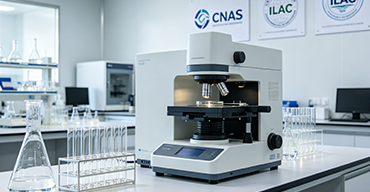
Internationally recognized authority
Certified by multiple international standards such as CNAS, VCS, and GS, with reports universally applicable worldwide.

Global service capability
Covering 140+ countries and regions, it supports on-site detection and remote verification in multiple languages.
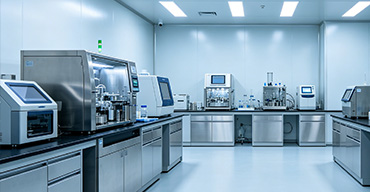
Professional experimental methods
Adopt standard experimental methods to ensure accurate and reliable data.
Comprehensive Performance and Safety Assessment of Ethylene Purifiers – Advanced Analytical Solutions for Adsorbent/Catalyst Efficiency, Contaminant Removal, and Service Life Validation
You are searching for ethylene purifier detection because this critical unit – typically containing activated carbon, molecular sieves, copper-based catalysts, or palladium‑promoted adsorbents – is essential for removing trace impurities (e.g., acetylene, oxygen, carbon monoxide, moisture, sulfur compounds, and carbon dioxide) from ethylene streams in polymerisation plants, refrigerated storage systems, and specialty chemical processes. The performance of an ethylene purifier is not defined by a single parameter; it depends on the dynamic breakthrough capacity, residual impurity concentration (ppb/ppm levels), adsorbent/catalyst activity and degradation, bed pressure drop, and thermal stability. Routine chemical analysis of inlet/outlet gas streams provides only a snapshot; you require a laboratory that delivers multi‑parameter, process‑oriented characterization integrating high‑sensitivity gas analysis (GC‑FID, GC‑TCD, GC‑MS, and online FTIR), breakthrough curve testing, adsorbent/catalyst physical property evaluation (BET, pore volume, crush strength), and accelerated ageing studies. Our facility provides exactly that: an ISO 17025‑accredited, fully validated analytical platform for ethylene purifier testing, compliant with ASTM D5504, ISO 6978, UOP 965, and industry‑specific specifications, and validated for both laboratory‑scale and full‑scale purifier materials.
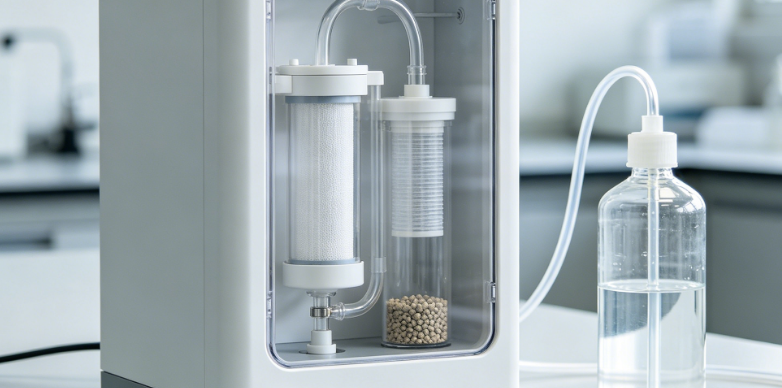
Analytical Framework – From Trace Impurity Speciation to Breakthrough Kinetics and Material Integrity
We offer a tiered analytical strategy tailored to your purifier qualification, process optimisation, or troubleshooting needs. Our platform includes:
• Trace impurity analysis in ethylene gas – GC‑FID, GC‑TCD, GC‑MS, and online FTIR with sub‑ppb detection. We use a multi‑detector GC system (Agilent 7890B) equipped with a FID (for hydrocarbons), TCD (for CO, CO₂, O₂), and a pulsed discharge detector or MS (for ultra‑trace sulfur and oxygenates). Our validated method, compliant with ASTM D5504, detects acetylene at ≤ 0.1 ppm, O₂ at ≤ 1 ppm, CO at ≤ 0.5 ppm, CO₂ at ≤ 1 ppm, and moisture at ≤ 1 ppm (by cooled mirror or Al₂O₃ sensor). For sulfur species (H₂S, COS, mercaptans), we use GC‑SCD (sulfur chemiluminescence detector) achieving LOQs of 0.02 ppm. For real‑time monitoring, we deploy portable FTIR or cavity ring‑down spectrometers to measure multiple components simultaneously with sub‑ppm sensitivity.
• Breakthrough capacity and dynamic adsorption/oxidation performance – custom‑built flow rigs with on‑line analysis. We operate pressure and temperature controlled breakthrough test rigs (up to 50 bar, 150°C) using synthesised gas mixtures mimicking the actual feed composition and contaminant challenge. By monitoring the outlet impurity concentration over time, we determine the breakthrough time (tB), dynamic adsorption capacity (mg impurity/g adsorbent), and the mass transfer zone length. We also evaluate the effect of temperature, pressure, flow velocity, and contaminant concentration on purifier efficiency – delivering data that is directly scalable to your process conditions.
• Adsorbent/catalyst physical properties – BET surface area, pore volume, crush strength, and particle size distribution. Using nitrogen physisorption (Micromeritics TriStar II), we measure BET surface area (m²/g), micropore volume (t‑plot), total pore volume (at p/p₀ = 0.99), and BJH mesopore distribution – parameters that correlate with capacity. Crush strength (for pelleted materials) is measured with a Chatillon digital force gauge to assess mechanical durability. Particle size distribution is obtained by sieve analysis or laser diffraction (Malvern Mastersizer 3000). These properties are essential for predicting pressure drop and maintaining bed integrity.
• Chemical composition and active phase loading – ICP‑MS, XRF, and TGA. For copper‑, palladium‑, or silver‑based purifiers, we quantify the active metal loading (%) by acid digestion followed by ICP‑MS (Agilent 8900) or by XRF (PANalytical Zetium). TGA (Netzsch STA 449) under reducing or oxidising atmospheres reveals the reduction state of the metal oxide precursor and the carbon deposition or oxidation mass gain – critical for assessing catalyst regeneration.
• Deactivation and ageing studies – accelerated ageing in process‑simulated atmospheres. We subject purifier samples to accelerated ageing at elevated temperature (e.g., 100°C) and high impurity concentration (e.g., 500 ppm acetylene) over a period of 1–3 weeks, periodically measuring residual activity and physical properties. We then use Arrhenius modelling to estimate the service life under normal process conditions – a unique service that supports maintenance scheduling and risk management.
• Post‑use characterisation and failure analysis – SEM‑EDS, XPS, and XRD. For spent or failed purifier materials, we perform scanning electron microscopy (Tescan MIRA3) with EDS to identify surface deposits (e.g., polymerisation products, carbon fouling, metal sulfide formation). X‑ray photoelectron spectroscopy (Thermo Scientific K‑Alpha) reveals the chemical state of the active metal (e.g., Cu⁰ vs. Cu⁺ vs. Cu²⁺) and the nature of the poisons. XRD (PANalytical X’Pert Pro) identifies crystalline phase transformations or the formation of inactive phases such as Cu₂O or CuO.
No other service integrates ultra‑trace gas analysis, dynamic breakthrough testing, comprehensive adsorbent physical/chemical characterisation, accelerated ageing, and forensic failure analysis under one ISO 17025‑accredited system for ethylene purifiers – delivering a holistic assessment from fresh material to in‑service performance.
Why Our Laboratory Is the Premier Partner for Ethylene Purifier Testing
Our specialization in gas purification and heterogeneous catalysis analysis has enabled us to overcome the unique challenges of ethylene purifier testing: ultra‑low impurity levels (ppb) requiring rigorously passivated gas sampling lines and cryogenic preconcentration; highly reactive ethylene matrix that can polymerise on hot surfaces – we use inert‑coated tubing and low‑temperature trap methods; rapid deactivation of certain chemisorbent materials – we use controlled atmosphere glove‑boxes for sample handling; and the need for realistic breakthrough conditions – we design custom test rigs that replicate your actual operating pressure, temperature, and gas composition. Our distinct advantages include:
1. State‑of‑the‑art gas analysis with multi‑detector redundancy. Our GC‑FID/TCD/MS system is configured with dual backflush columns to separate ethylene from impurities without saturating the detector, and we use external calibration with certified gas mixtures (NIST‑traceable) to ensure accuracy. For moisture, we employ both electrolytic and dew‑point methods to cross‑validate results.
2. Custom‑designed breakthrough rigs with wide operating windows. Our test rigs accommodate adsorbent bed volumes from 1 mL to 1 L and can simulate pressures from atmospheric to 50 bar, temperatures from −20°C to 200°C, and gas flow rates from 0.1 to 100 L/min. This flexibility allows us to precisely match your process parameters, providing results that are directly applicable.
3. Integrated deactivation modelling and lifetime prediction. Using our accelerated ageing data and validated kinetic models, we provide a “remaining useful life” (RUL) estimate for your purifier, helping you plan change‑out schedules and avoid unscheduled downtime.
4. Forensic root‑cause analysis. When a purifier underperforms or fails prematurely, we combine SEM‑EDS, XPS, and XRD with historical performance data to identify the specific poison (e.g., sulfur, chlorides, or polymer fouling) and provide a detailed corrective action report.
5. ISO 17025 accreditation and global industry acceptance. Our methods for gas chromatography (ISO 6974), adsorbent characterisation (ISO 9277), and trace sulfur analysis (ISO 19739) are ISO 17025‑accredited. Our test reports are accepted by ethylene producers, polymer plant operators, purifier manufacturers, and engineering consultancies worldwide.
Technical Depth – Beyond Simple Impurity Removal Efficiency
While many laboratories report only the outlet impurity concentration, we provide actionable, process‑optimisation insights for advanced purifier management:
• Breakthrough curve shape analysis – mass transfer zone (MTZ) length and utilisation factor. From our dynamic breakthrough experiments, we determine the MTZ length (mm) – a measure of the adsorption front sharpness. A shorter MTZ indicates better mass transfer, allowing more efficient bed utilisation. We also calculate the bed utilisation factor (%), which reveals how much of the total bed capacity is effectively used before breakthrough – a key parameter for economic optimisation.
• Co‑adsorption and competitive displacement effects. In real ethylene streams, multiple impurities (e.g., acetylene, CO, CO₂, and moisture) are present. We conduct binary and ternary breakthrough experiments to quantify the competitive adsorption effects – e.g., how water vapour reduces the acetylene capacity. This data is essential for designing multi‑bed purifier systems.
• Temperature‑programmed reduction (TPR) and oxidation (TPO) for catalyst health. Using a Micromeritics AutoChem II, we perform TPR to determine the reduction profile and the percentage of reducible metal oxide in fresh copper‑based purifiers. TPO on spent samples reveals the amount and nature of carbonaceous deposits – distinguishing between soft (easily oxidised) and hard (graphitic) coke.
• Pressure drop and flow distribution modelling. By combining particle size distribution, bed porosity (from mercury intrusion), and crush strength, we construct a pressure drop model (Ergun equation) that predicts how bed resistance will evolve with time and fouling. This supports your hydraulic design and compressor sizing.
Supporting Your Specific Ethylene Purifier Testing Objectives
Your search for ethylene purifier detection likely aligns with one or more of these scenarios. We provide precisely tailored solutions:
• New purifier supplier qualification (batch‑to‑batch consistency). We test fresh adsorbent/catalyst samples for BET, pore volume, active metal loading, crush strength, and breakthrough capacity (acetylene, CO, O₂, moisture). We issue a certificate of analysis (COA) with a pass/fail judgement against your specification. Typical turnaround: 10‑15 working days (depending on test complexity).
• In‑service purifier monitoring and residual life assessment. We analyse gas samples from the purifier outlet at various stages of operation, and we take spent adsorbent samples (if accessible) to measure residual capacity, metal oxidation state, and fouling levels. We provide a real‑time performance report with recommendations for change‑out timing.
• Root‑cause investigation for premature failure. If your purifier breaks through earlier than expected, we perform a full forensic investigation comparing the spent sample with a fresh reference – including SEM‑EDS, XPS, XRD, TGA, and BET. We identify the contaminant or operating condition responsible (e.g., chloride poisoning, oxygen breakthrough, or thermal sintering) and provide a preventative action plan.
• Optimisation of regeneration procedures. For regenerable purifiers (e.g., temperature‑swing adsorption or reduction‑oxidation cycles), we design and validate regeneration protocols by monitoring the TPO/TPR profile, residual capacity, and physical integrity after multiple regeneration cycles. We determine the maximum number of cycles before the adsorbent must be replaced, saving you significant material costs.
• Regulatory and safety compliance. We provide comprehensive impurity data required for ethylene product certification (e.g., ASTM D5470 for polymer‑grade ethylene) and for environmental reporting (e.g., VOC emissions from purifier regeneration off‑gas).
Partner with Us for Definitive Ethylene Purifier Characterisation
Choosing our laboratory gives you access to a dedicated gas purification and catalysis team with over 15 years of experience in adsorbent and catalyst testing for the ethylene industry. We provide free, custom‑designed sampling kits (including passivated cylinders and adsorbent traps for gas, and moisture‑proof containers for solid samples), a detailed protocol for representative sampling (critical for capturing bed heterogeneity), and direct consultation with our senior process engineer for data interpretation and operational advice. No project is too large or too small – from a single purifier assessment to an ongoing condition‑monitoring programme covering multiple plant units.
Contact our technical team with your ethylene purifier analysis requirements. We will provide a customised project quotation and, for qualifying clients, a free preliminary gas analysis (acetylene, CO, CO₂, O₂, and moisture) on up to two inlet/outlet gas samples. Your search for authoritative, high‑depth characterisation of ethylene purifiers ends here – because we deliver the breakthrough kinetics, material integrity, and process‑scale insight that routine single‑point gas analyses cannot provide.