Reasons for choosing our testing services
ZHONGXI Testing has obtained inspection qualification certifications from multiple countries and regions worldwide. We possess a senior testing team and advanced testing methods, providing independent, impartial, and professional third-party verification services for global carbon projects.
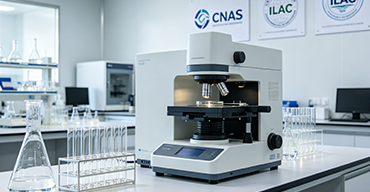
Internationally recognized authority
Certified by multiple international standards such as CNAS, VCS, and GS, with reports universally applicable worldwide.

Global service capability
Covering 140+ countries and regions, it supports on-site detection and remote verification in multiple languages.
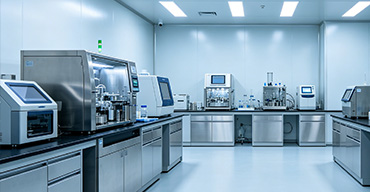
Professional experimental methods
Adopt standard experimental methods to ensure accurate and reliable data.
Lactic Acid Fermented Food Testing – Microbial Ecology, Safety, Quality, and Metabolite Profiling
If you are searching for lactic acid fermented food testing, you likely need to verify the viable lactic acid bacteria (LAB) counts, absence of pathogens, organic acid profile (lactic, acetic, citric), biogenic amine levels, flavor‑active metabolites, or compliance with food safety standards for products such as yogurt, kefir, kimchi, sauerkraut, fermented pickles, sourdough, or traditional fermented dairy and vegetables. Fermented foods rely on complex microbial communities, and their quality, safety, and shelf life depend on precise microbiological and chemical parameters. Our laboratory provides comprehensive analysis of lactic acid fermented foods – from routine enumeration and physicochemical testing to next‑generation sequencing (NGS) for species‑level microbiome characterization, untargeted metabolomics (LC‑MS/MS) for flavor and functional compound profiling, and targeted quantification of biogenic amines, organic acids, and foodborne pathogens – following ISO, AOAC, and national food safety standards.
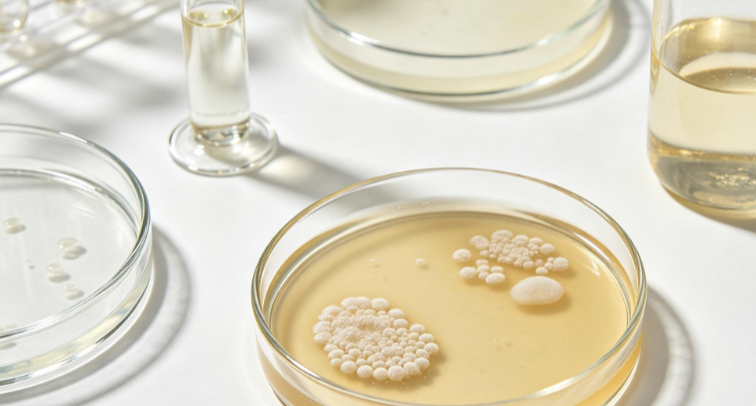
What We Analyze – Full Testing Scope for Fermented Foods
We do not simply count total bacteria. Our platform includes ISO 15214 (Enumeration of mesophilic lactic acid bacteria) and ISO 7889 (Enumeration of yogurt microorganisms) with species‑specific plating (MRS, M17, Rogosa, etc.). We perform real‑time PCR (qPCR) for rapid quantification and identification of Lactobacillus, Lactococcus, Streptococcus thermophilus, Bifidobacterium, Leuconostoc, Pediococcus, as well as pathogen detection (Listeria monocytogenes, Salmonella spp., E. coli O157:H7, Staphylococcus aureus, Bacillus cereus) by PCR and cultural methods (ISO 6579, ISO 11290). For detailed community structure, we offer 16S rRNA gene amplicon sequencing (NGS) with genus/species resolution and whole metagenome shotgun sequencing for functional gene profiling (e.g., bacteriocin, exopolysaccharide pathways). For chemical safety and quality, we use high‑performance liquid chromatography (HPLC) with UV and RI detectors to quantify lactic acid, acetic acid, citric acid, malic acid, succinic acid, and propionic acid. Biogenic amines (histamine, tyramine, putrescine, cadaverine, phenylethylamine) are measured by LC‑MS/MS or HPLC‑fluorescence after derivatization down to 0.5 mg/kg. Ethanol and other volatile compounds are analyzed by GC‑FID and GC‑MS for volatile organic compounds (VOCs) – key for flavor profiling. We also measure pH, titratable acidity (as % lactic acid), total soluble solids (°Brix), salt content (NaCl by titration or ion chromatography), nitrite/nitrate, and water activity. For nutritional labeling, we provide protein, fat, carbohydrate, dietary fiber, and mineral analysis (ICP‑MS for Ca, K, Mg, Na, Fe, Zn).
Key parameters we routinely measure:
- Viable LAB count (CFU/g) – multiple media, detection limit 10 CFU/g.
- Pathogen screen (5–8 targets) by qPCR and culture – ISO compliant.
- Microbial diversity (16S NGS) – relative abundance down to 0.1%, plus alpha/beta diversity.
- Organic acid profile (7+ acids) – HPLC‑UV/RI, LOQ 0.01 g/100g.
- Biogenic amines (8 amines) – LC‑MS/MS, LOQ 0.5 mg/kg.
- Volatile flavor compounds (VOCs – alcohols, esters, aldehydes, ketones, terpenes) – HS‑SPME‑GC‑MS, semi‑quantitative library.
- pH, titratable acidity, salt, water activity – standard methods.
- Exopolysaccharide (EPS) content (as dextran equivalent) – enzymatic or gravimetric.
- Histamine and tyramine (priority toxins) – FDA/EFSA actionable limits.
- Preservatives (sorbic, benzoic, propionic acids) and artificial sweeteners – HPLC‑DAD.
- Biogenic amine‑producing potential (gene detection by PCR) – hdc, tdc, odc.
- Lactic acid enantiomers (L‑ vs. D‑lactic acid) – enzymatic kit or chiral HPLC.
- Bacteriocin activity (agar diffusion against indicator strains) – semi‑quantitative.
- Antibiotic resistance gene profile (metagenomic or PCR array) – for starter cultures.
How Deep We Go – Strain‑Level Identification, Metabolomic Fingerprinting, and Predictive Modeling
Most routine food labs only count LAB and test for a few pathogens. We provide strain‑level differentiation using repetitive element PCR (rep‑PCR) or whole‑genome sequencing (WGS) of isolated LAB strains – essential for probiotic authentication and intellectual property protection. Using untargeted metabolomics (UHPLC‑Q‑TOF), we can identify 300+ metabolites including peptides, vitamins (B group, folate), γ‑aminobutyric acid (GABA), and bioactive phenolics, correlating with fermentation conditions. Our volatilomics (GC×GC‑TOFMS) provides ultra‑high resolution flavor profiling to discriminate between different starter cultures or off‑flavors. For safety, we go beyond regulatory biogenic amine limits by also measuring cadaverine and putrescine as spoilage indicators and using LC‑MS/MS to detect <1 ppm of mycotoxins (aflatoxin M1 in dairy, ochratoxin A in fermented vegetables). We simulate shelf‑life acceleration (25°C, 30°C, 37°C) with weekly monitoring of pH, LAB counts, and biogenic amines to predict product stability.
Our advanced capabilities include:
- Single‑cell analysis (flow cytometry with viability dyes) – distinguish live, injured, dead LAB without culturing.
- Phage contamination detection (TEM and PCR) – for industrial fermentation troubleshooting.
- Gene expression of key enzymes (RT‑qPCR for lactate dehydrogenase, pyruvate decarboxylase) – metabolic activity mapping.
- Biofilm formation potential of spoilage LAB – microtiter plate assay with crystal violet.
- Allergen testing (milk, soy, gluten via ELISA) – for cross‑contamination in mixed facilities.
- Texture and rheology (viscosity, syneresis, firmness) – for yogurts and fermented gels.
- In vitro gastrointestinal digestion (simulated gastric and intestinal fluids) – for probiotic survival assessment.
- Quantitative protein analysis (SDS‑PAGE or LC‑MS/MS for casein, whey proteins, and degradation peptides) – proteolysis index.
We routinely achieve measurement uncertainties: LAB count ±0.3 log; organic acids ±5%; biogenic amines ±10% relative; pH ±0.02; VOCs (peak area) ±15%. All methods follow ISO 15214, ISO 7889, ISO 19343 (histamine), FDA BAM, and AOAC Official Methods.
Why Choose Our Fermented Food Testing – Key Advantages
1. ISO/IEC 17025:2017 accredited methods – covering microbiology, chemistry, and molecular biology for all major fermented food categories.
2. Strain‑level microbial identification by NGS and WGS – we go beyond genus/species; we identify strains in mixed cultures and link them to metabolite production.
3. Deep chemical safety: biogenic amines, mycotoxins, and nitrosamines – all at sub‑ppm detection limits, essential for regulatory compliance (EU, FDA, Codex).
4. Flavor and quality fingerprinting via GC‑MS and untargeted metabolomics – we provide actionable data to optimize fermentation time, temperature, and starter culture.
5. Rapid pathogen and spoilage screens – qPCR results in 24‑48 hours, cultural confirmation simultaneously.
6. Troubleshooting for failed or off‑flavor batches – we identify whether the problem is phage, contamination, temperature abuse, or metabolite imbalance.
7. Fast turnaround with complete data transparency – routine panel (LAB count, pH, titratable acidity, organic acids, 4 pathogens) completed in 3–5 business days; full NGS + metabolomics in 10–14 business days. You receive raw sequencing reads, chromatograms, spectra, and complete statistical analysis.
8. Custom method development for novel fermented foods – plant‑based ferments, kombucha, or emerging probiotic products – we develop validated methods within 2–3 weeks.
9. Competitive pricing for complete fermented food panels – bundling microbiology (5 targets), organic acids, biogenic amines, and VOCs costs 30–35% less than separate tests.
We have successfully completed over 800 fermented food testing projects for dairy producers, vegetable fermenters, plant‑based innovators, and food safety authorities worldwide. Our team includes PhD food microbiologists, flavor chemists, and bioinformaticians dedicated to fermented foods.
Ready to Test Your Lactic Acid Fermented Food Product?
Provide your product type (e.g., “yogurt”, “kimchi”, “sourdough”, “fermented cucumber”), target parameters (e.g., “LAB count, histamine, Listeria, organic acids”), and any applicable standard (ISO, GB, FDA, EFSA). We will provide a free technical consultation and a fixed‑price quote. Whether you need routine quality control, shelf‑life validation, or full product characterization for a novel fermented food, we deliver deep, accurate, and regulation‑ready testing tailored to your lactic acid fermented food.