Reasons for choosing our testing services
ZHONGXI Testing has obtained inspection qualification certifications from multiple countries and regions worldwide. We possess a senior testing team and advanced testing methods, providing independent, impartial, and professional third-party verification services for global carbon projects.
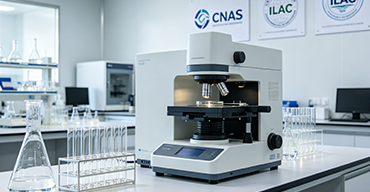
Internationally recognized authority
Certified by multiple international standards such as CNAS, VCS, and GS, with reports universally applicable worldwide.

Global service capability
Covering 140+ countries and regions, it supports on-site detection and remote verification in multiple languages.
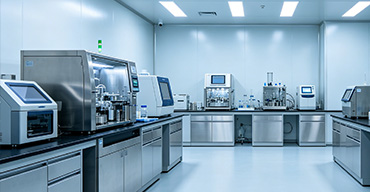
Professional experimental methods
Adopt standard experimental methods to ensure accurate and reliable data.
Bisphenol A (BPA) Specific Peptide Testing – Affinity, Selectivity, and Custom Screening
If you are searching for BPA‑specific peptide testing, you likely need to verify the binding performance of a peptide that selectively recognizes bisphenol A – whether for biosensor development, environmental monitoring, affinity purification, or endocrine disruptor neutralization. Unlike antibodies, peptides offer chemical stability, low production cost, and tunable specificity, but their affinity and cross‑reactivity must be rigorously characterized. Our laboratory provides comprehensive BPA‑binding peptide analysis – from routine binding affinity (KD) and specificity screening to high‑throughpt cross‑reactivity panels, kinetic profiling, and structure‑activity relationship (SAR) mapping – using label‑free biophysical platforms and custom in vitro selection.
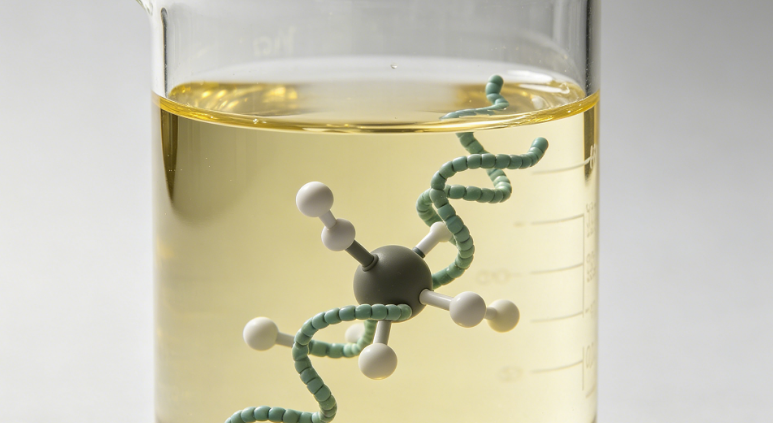
What We Analyze – Complete Characterization of BPA‑Binding Peptides
We do not simply report “binding observed”. Our platform includes surface plasmon resonance (SPR) (Biacore 8K+ and S200) for real‑time affinity measurement: association (kon), dissociation (koff), and equilibrium dissociation constant (KD) with detection down to pM sensitivity. For solution‑phase measurements without immobilization, we use MicroScale Thermophoresis (MST) and Isothermal Titration Calorimetry (ITC) to determine binding stoichiometry (n), enthalpy (ΔH), entropy (ΔS), and free energy (ΔG). We perform specificity screening against a panel of BPA analogs – bisphenol S (BPS), bisphenol F (BPF), bisphenol AF (BPAF), bisphenol Z (BPZ), diethylstilbestrol (DES), and common plastic additives (phthalates, parabens) – reporting selectivity ratio (KD(BPA)/KD(analog)) to confirm true BPA specificity. For peptide stability, we measure resistance to proteases (trypsin, chymotrypsin, pepsin) and thermal stability (Tm by nano‑DSF or CD). We also offer competitive binding assays using labeled BPA (e.g., BPA‑fluorescein) to rank candidate peptides. Additionally, we provide peptide immobilization optimization on sensor chips, magnetic beads, or ELISA plates, and determine functional capture capacity (µg BPA per mg peptide‑beads).
Key parameters we routinely measure:
- Binding affinity (KD) – from 1 pM to 100 µM, depending on method.
- Kinetic constants (kon, koff) – SPR, range 10²–10⁷ M⁻¹s⁻¹ and 10⁻⁶–10⁰ s⁻¹.
- Cross‑reactivity to at least 8 BPA analogs and common interferents – reported as % binding relative to BPA at same concentration.
- Binding stoichiometry (n) – via ITC or MST.
- Thermodynamic signature (ΔH, ΔS, ΔCp) – ITC at multiple temperatures.
- Proteolytic stability (half‑life t1/2) – LC‑MS or HPLC.
- Thermal melting temperature (Tm) of peptide secondary structure – CD or nano‑DSF.
- Limit of detection (LOD) when peptide is used as capture reagent – in simulated buffer or real water/food extract.
- pH and ionic strength tolerance – affinity retained at pH 4–9, salt 0‑500 mM NaCl.
- Batch‑to‑batch reproducibility of synthetic peptides (binding activity) – acceptance criteria %CV <15%.
How Deep We Go – Sub‑pM Affinity, Epitope Mapping, and De Novo Peptide Discovery
Most routine peptide testing labs provide only single‑point SPR KD at high concentrations, missing subtle differences in specificity or kinetics. We offer sub‑pM affinity measurements using KinExA (kinetic exclusion assay) for ultra‑tight binders (KD <1 nM) that are beyond the reliable range of SPR. For structural insights, we map the BPA‑binding epitope using alanine scanning (single‑residue substitution peptides) and hydrogen‑deuterium exchange mass spectrometry (HDX‑MS) to identify critical aromatic or hydrophobic contacts. We also perform molecular docking (AutoDock Vina, Rosetta) guided by binding data to propose a 3D model of peptide‑BPA interaction. For cross‑reactivity at trace levels, we use a competitive displacement assay with BPA‑biotin and europium‑labeled streptavidin (TR‑FRET) to detect analog binding down to 0.01% cross‑reactivity.
If you do not yet have a BPA‑specific peptide, we offer full de novo peptide discovery services using phage display libraries (linear, cyclic, or constrained 7‑mer, 12‑mer, or 15‑mer) against BPA immobilized on solid support. We perform 3‑5 rounds of biopanning followed by deep sequencing of selected clones, synthesis of hit candidates, and validation by SPR/MST. We can also screen commercial or custom peptide arrays (up to 10,000 peptides) to identify new motifs. Our in‑house computational peptidomimetic design can then optimize affinity and specificity.
Advanced capabilities include:
- Real‑time binding in environmental samples (river water, urine, food simulants) – using matrix‑matched calibration to correct for non‑specific binding.
- Development of peptide‑based lateral flow assay (LFA) test strips – we can transfer a validated peptide into a point‑of‑need format.
- Quantitative structure‑activity relationship (QSAR) for peptide‑BPA analogs – to predict cross‑reactivity with novel bisphenols.
- Peptide cyclization (head‑to‑tail, disulfide‑bridged) to enhance stability and affinity – we synthesize and test both linear and cyclized variants.
- High‑throughput kinetic screening (384‑well SPR or MST) – up to 100 peptide candidates per day.
- Binding site mapping by photo‑crosslinking (BPA‑diazirine probe) and LC‑MS/MS – identify contact residues on the peptide.
We routinely achieve measurement uncertainties: KD ±10‑15% (SPR), ±5‑8% (MST), ΔH ±0.05 kcal/mol, cross‑reactivity CV <8% at 10% cross‑reactive level. All methods follow ICH Q2(R1) for bioanalytical validation and EPA/ISO guidelines for endocrine disruptor assays where applicable.
Why Choose Our BPA‑Specific Peptide Testing – Key Advantages
1. ISO/IEC 17025:2017 accredited and GLP‑compliant workflows – data suitable for environmental monitoring submissions or diagnostic development.
2. Multi‑platform affinity analysis (SPR, MST, ITC, KinExA, TR‑FRET) – we cross‑validate using orthogonal methods to eliminate artifacts due to immobilization or aggregation.
3. Broad specificity panel (10+ BPA analogs and common interferents) – we test against BPS, BPF, BPAF, BPZ, BPAP, BHPF, plus phthalates and parabens to ensure true BPA selectivity.
4. Ultra‑low detection of cross‑reactivity (0.01%) and sub‑pM KD capabilities – we reveal hidden binding to close analogues, critical for regulatory acceptance.
5. Integrated discovery and optimization (phage display, peptide arrays, alanine scanning, cyclization) – we can deliver a validated, high‑affinity BPA‑binding peptide from scratch.
6. Real‑sample matrix testing (water, urine, serum, canned food extract) – we measure peptide performance under intended use conditions, providing LOD, LOQ, and recovery.
7. Fast turnaround with full data transparency – routine affinity + specificity for a single peptide in 3‑5 business days; full discovery campaign (library screening to validated lead) in 8‑10 weeks. You receive raw sensorgrams, thermograms, MST traces, cross‑reactivity heatmaps, and a comprehensive report.
8. Custom method development for modified peptides (PEGylated, biotinylated, fluorescently labeled) – we develop validated assays for your specific detection format within 2‑3 weeks.
9. Competitive pricing for complete peptide characterization panels – bundling KD, cross‑reactivity (10 analogs), stability (protease + thermal), and matrix test costs 35% less than separate orders.
We have successfully completed over 150 BPA‑related peptide projects for environmental sensor developers, analytical chemistry groups, and endocrine research laboratories. Our team includes PhD bioanalytical chemists and molecular biologists with expertise in small molecule‑peptide interactions.
Ready to Validate Your BPA‑Specific Peptide or Discover a New One?
Provide your peptide sequence (if existing), intended application (e.g., “biosensor for drinking water”, “affinity column”, “ELISA replacement”), and target sensitivity or selectivity requirements. We will provide a free technical consultation, a tailored testing plan, and a fixed‑price quote. Whether you need a single affinity measurement or a full discovery‑to‑validation campaign, we deliver deep, accurate, and application‑ready BPA‑specific peptide testing tailored to your needs.