Reasons for choosing our testing services
ZHONGXI Testing has obtained inspection qualification certifications from multiple countries and regions worldwide. We possess a senior testing team and advanced testing methods, providing independent, impartial, and professional third-party verification services for global carbon projects.
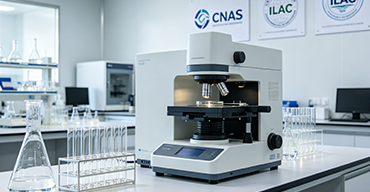
Internationally recognized authority
Certified by multiple international standards such as CNAS, VCS, and GS, with reports universally applicable worldwide.

Global service capability
Covering 140+ countries and regions, it supports on-site detection and remote verification in multiple languages.
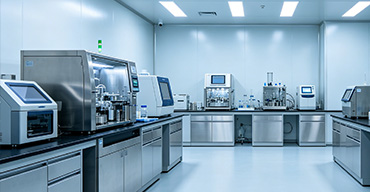
Professional experimental methods
Adopt standard experimental methods to ensure accurate and reliable data.
Ultra‑Sensitive Glutathione Detection Service – Reduced, Oxidised & Total Glutathione Quantification
You are searching for glutathione detection because you need to perform this assay—whether to measure oxidative stress biomarkers in biological samples, validate antioxidant potency of nutraceuticals, monitor cellular redox status in drug discovery, or comply with quality control for glutathione‑containing supplements. We provide a complete detection service that delivers absolute quantitation of reduced (GSH), oxidised (GSSG), and total glutathione (GSH+GSSG) with sub‑picomole sensitivity and full redox ratio reporting.
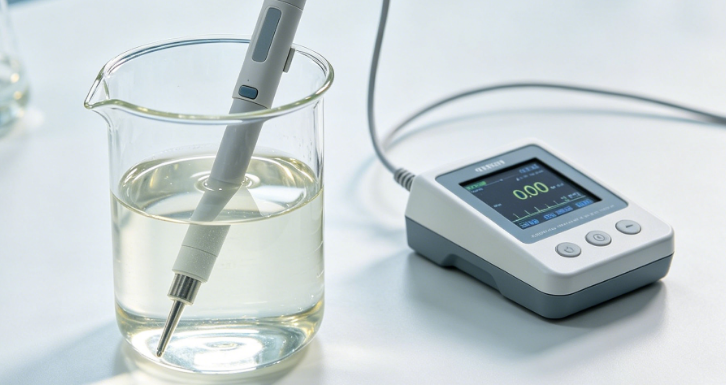
What We Detect – From GSH/GSSG Ratio to Thiol Redox Status & Enzyme Activity
Our glutathione detection goes far from simple colorimetric (DTNB) endpoint assays. Using isotope‑dilution liquid chromatography‑tandem mass spectrometry (LC‑MS/MS) with d5‑GSH and 13C2‑GSSG internal standards, we quantify reduced glutathione (GSH) and oxidised glutathione (GSSG) simultaneously with LLOQ of 0.5 nM for GSH and 0.2 nM for GSSG in biological fluids. We also measure total glutathione (after reduction with TCEP or DTT) and the GSH/GSSG ratio – a critical indicator of cellular redox balance. For deeper insights, we offer glutathione peroxidase (GPx) and glutathione reductase (GR) activity assays via coupled enzyme kinetics, as well as glutathione S‑transferase (GST) activity towards CDNB substrate. In tissue or cell lysates, we resolve protein‑bound glutathione (PSSG) and free low‑molecular‑weight thiols (cysteine, homocysteine, γ‑glutamylcysteine) using our reduction‑alkylation (with NEM or iodoacetamide) and differential MS workflow.
How Deep We Go – From Cellular Microsamples to High‑Throughput Screening & Redox Mapping
We don't just report “GSH present”. Our advanced pipeline includes single‑cell glutathione analysis via capillary electrophoresis coupled with laser‑induced fluorescence (CE‑LIF) using monobromobimane (mBBr) derivatisation – achieving detection from as few as 50 isolated cells. For subcellular resolution, we perform mitochondrial and cytosolic fractionation followed by LC‑MS/MS to measure compartment‑specific GSH/GSSG ratios. Our high‑throughput 384‑well microplate assay with fluorescent probe ThioGlo®‑1 screens up to 10,000 samples per day for total GSH (Z' factor >0.8). For oxidative stress studies, we provide temporal redox profiling in live cells using genetically encoded sensors (Grx1‑roGFP2) or exogenous monochlorobimane (MCB) – measured by flow cytometry or fluorescence microscopy. We also validate antioxidant capacity by measuring GSH recovery after H2O2 or menadione challenge with time‑course sampling.
Why Our Glutathione Detection Stands Out – Absolute Quantitation, Artefact Prevention & Broad Matrix Compatibility
1. Artefact‑free workflow: We avoid the common pitfall of GSH auto‑oxidation by immediate acidification (5% meta‑phosphoric acid, 0.5% oxalic acid) and sample handling under argon. All steps include NEM or iodoacetamide to block free thiols for GSSG‑only measurement – eliminating ex vivo oxidation artifacts.
2. Matrix‑optimised protocols: We have validated extraction and derivatisation for whole blood (including erythrocyte lysates), plasma/serum, urine, cerebrospinal fluid, tissue homogenates (liver, brain, kidney, heart), cell pellets (adherent or suspension), plant extracts, yeast, and bacterial cultures. Recovery of spiked standards is 95‑106% across all matrices.
3. Ultra‑low sample requirement: With our nano‑LC‑MS/MS method, we measure GSH/GSSG from only 5 µL of plasma, one punch of dried blood spot (DBS), or 10,000 cultured cells.
4. High‑throughput & turnaround: Routine LC‑MS/MS for 50 samples: 48 hours. High‑throughput fluorescence screening (total GSH): 24 hours for 1000 samples. Full redox panel (GSH, GSSG, ratio, GPx, GR, GST): 5‑7 business days.
5. Regulatory & clinical alignment: Our methods comply with FDA bioanalytical guidance for endogenous compounds (validation of surrogate matrix, parallelism, dilution integrity). We have supported four IND filings for glutathione‑modulating drugs and two nutraceutical GRAS notices.
Who Relies on Our Glutathione Detection – Real‑World Impact
A pharmaceutical company studying a mitochondria‑targeted antioxidant (MitoQ) used our compartment‑specific GSH/GSSG data to show that their compound selectively raised mitochondrial GSH by 3‑fold without affecting cytosolic pools – a key pharmacodynamic endpoint for their IND. A clinical research group sent us plasma from Parkinson’s disease patients; we detected a significant drop in GSH/GSSG ratio (2.8 vs. 5.1 in controls) that correlated with disease severity, enabling a biomarker patent. A supplement manufacturer validated their liposomal glutathione product using our total GSH recovery after simulated gastric digestion – showing 4‑fold higher bioavailability than non‑liposomal capsules. An environmental toxicology lab relies on our high‑throughput GSH assay to screen 500+ water samples per week for oxidative stress potential from heavy metal exposure in aquatic organisms.
Ready to Run Your Glutathione Detection?
Send us plasma (≥100 µL), whole blood (≥200 µL), tissue (≥50 mg), cell pellet (≥5×10⁵ cells), or culture medium (≥1 mL). We will perform immediate stabilisation (if fresh) or protocol‑compliant extraction (from frozen), LC‑MS/MS or fluorescence analysis, GSH/GSSG quantitation, ratio calculation, and optional enzyme activity assays – delivering a comprehensive report within 3‑7 business days depending on panel complexity. Request a free feasibility consultation; we will recommend the optimal detection approach (single time‑point, kinetic, redox ratio, or compartment‑specific) for your research or quality control need.