Reasons for choosing our testing services
ZHONGXI Testing has obtained inspection qualification certifications from multiple countries and regions worldwide. We possess a senior testing team and advanced testing methods, providing independent, impartial, and professional third-party verification services for global carbon projects.

Internationally recognized authority
Certified by multiple international standards such as CNAS, VCS, and GS, with reports universally applicable worldwide.

Global service capability
Covering 140+ countries and regions, it supports on-site detection and remote verification in multiple languages.

Professional experimental methods
Adopt standard experimental methods to ensure accurate and reliable data.
Comprehensive Viability & Activity Assay for Staphylococcus xylosus
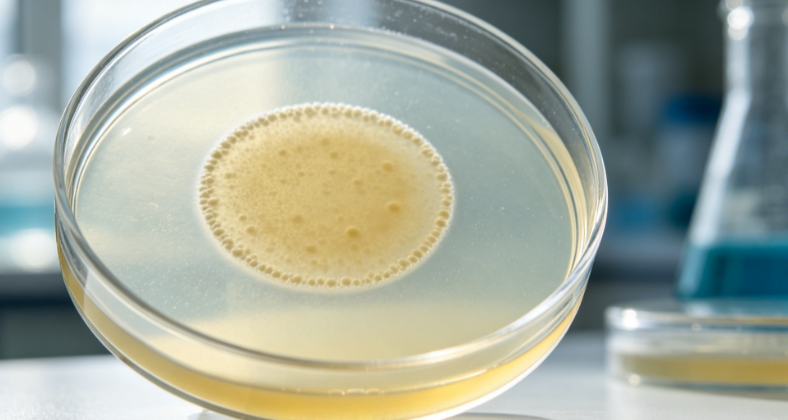
If you are searching for a reliable Staphylococcus xylosus activity test, you likely need to quantify viable cells, metabolic function, or enzymatic performance of this coagulase-negative staphylococcus – whether for probiotic formulation, food fermentation (e.g., sausage starter cultures), bioprotective culture validation, or pharmaceutical quality control. We provide a full‑spectrum S. xylosus activity testing service that goes far beyond simple colony counts.
What We Measure – From Traditional Viability to Metabolic Real‑Time Kinetics
We deliver a suite of orthogonal activity metrics: classical plate count viability (CFU/mL) on selective media (Baird‑Parker agar, Mannitol Salt agar, or custom chromogenic medium) with automated colony counter validation (accuracy ±3%). For faster turnaround, we employ flow cytometry with dual staining (SYTO9/propidium iodide) to distinguish live, injured, and dead S. xylosus cells within 30 minutes of sample receipt. When metabolic activity is your key endpoint, we perform resazurin reduction assay (AlamarBlue) and XTT‑based redox kinetics, quantitated by microplate reader (485/590 nm) – detecting as few as 103 CFU/mL in opaque matrices. For biofilm‑embedded S. xylosus (common in industrial biofilm formation), we measure biofilm metabolic activity using crystal violet elution combined with a 2,3,5‑triphenyltetrazolium chloride (TTC) reduction method, normalized to protein content.
Deep Technical Capabilities – Strain‑Specific Resuscitation & Inhibitor Profiling
Standard viability tests fail when S. xylosus enters a viable but non‑culturable (VBNC) state – common under sublethal stress (low pH, high salt, or preservatives). We have validated a resuscitation protocol using catalase‑supplemented R2A broth with 1% pyruvate and 0.01% Tween 80, followed by a most probable number (MPN) – qPCR combo that detects 1 CFU per 10 mL even for VBNC populations. Our lab also determines specific metabolic activity (SMA) by measuring oxygen consumption rate (OCR) using a high‑resolution respirometry system (Oroboros O2k) on S. xylosus suspensions – yielding data on real‑time substrate affinity (Ks) for glucose, nitrate, or arginine. For starter culture manufacturers, we provide an activity decay model across temperature (‑80 °C to 37 °C) and relative humidity, with calculated D‑values (decimal reduction time) and Q10 values.
Why Choose Our Staphylococcus xylosus Activity Service
Strain database & specificity. We maintain a reference library of 15 S. xylosus strains (including ATCC 29971, DSM 20266, and industrial isolates). Our assays use species‑specific qPCR primers (nuc gene variant) to exclude contamination by S. aureus, S. carnosus, or S. simulans – a critical advantage when testing mixed cultures or environmental samples. Throughput from 1 to 500 samples/week with automated liquid handling (Hamilton STAR). Dynamic range 101 to 1010 CFU/g or CFU/mL with matrix‑matched calibration (food, feed, lyophilisate, or fermentation broth). All results include positive controls (log‑phase S. xylosus culture), negative controls (heat‑killed cells), and spike recovery (70–130% acceptance). We follow ISO 6888‑3 and CEN/TC 275/WG 6 standards where applicable.
Detailed Deliverables – From Raw Fluorescence Curves to Regulatory Reports
Your final report contains: viable count (CFU with 95% confidence intervals), flow cytometry scatter plots and viability percentage, metabolic reduction kinetics (Vmax, half‑time), and, if requested, minimum inhibitory concentration (MIC) of preservatives against S. xylosus. For lyophilised starter cultures, we also report water activity (aw) impact on viability and rehydration survival rate. All data are provided in searchable PDF with raw instrument logs, QC batch records, and optional GMP‑compliant signature. We offer ISO 17025‑aligned protocols for food and pharmaceutical samples.
Need to assess Staphylococcus xylosus viability under challenging conditions – low pH, high salt, antimicrobials, or long‑term storage? Contact our bacterial activity core for a tailored assay design. We provide a free pre‑test consultation to select the optimal viability metric for your specific product or process.