Reasons for choosing our testing services
ZHONGXI Testing has obtained inspection qualification certifications from multiple countries and regions worldwide. We possess a senior testing team and advanced testing methods, providing independent, impartial, and professional third-party verification services for global carbon projects.
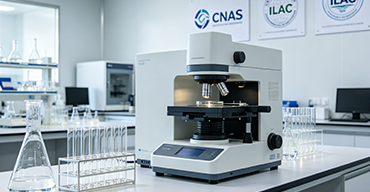
Internationally recognized authority
Certified by multiple international standards such as CNAS, VCS, and GS, with reports universally applicable worldwide.

Global service capability
Covering 140+ countries and regions, it supports on-site detection and remote verification in multiple languages.
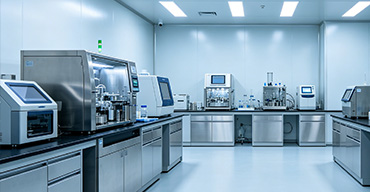
Professional experimental methods
Adopt standard experimental methods to ensure accurate and reliable data.
Comprehensive Viability & Activity Assay for Mycobacterium tuberculosis – Advanced Drug Susceptibility, Metabolic Profiling & Functional Enzyme Testing
If you are searching for a reliable Mycobacterium tuberculosis activity test, you likely need to quantify viable cell counts, metabolic status, drug susceptibility, or functional enzyme activity of this WHO Risk Group 3 pathogen – whether for anti-tubercular drug screening, resistance surveillance, vaccine development, or fundamental mycobacterial research. Standard culture methods on solid media require weeks and fail to detect viable but non‑culturable populations. We provide a full‑spectrum M. tuberculosis activity service combining automated liquid culture, colorimetric metabolic assays, luciferase reporter phage technology, heterologous enzyme functional validation, and species‑specific molecular enumeration – all performed in a BSL‑3 containment facility compliant with WHO and national safety regulations.

What We Measure – Multi‑Modal Activity Panel for Mycobacterium tuberculosis
We deliver a suite of orthogonal activity endpoints tailored to your specific M. tuberculosis strain or clinical isolate (e.g., H37Rv, H37Ra, CDC1551, Erdman, or multidrug‑resistant clinical strains). Core assays include: automated liquid culture viability using the BACTEC™ MGIT™ 960 System, which employs an oxygen‑quenched fluorochrome (tris 4,7‑diphenyl‑1,10‑phenanthroline ruthenium chloride pentahydrate) embedded in silicone at the tube bottom – fluorescence intensity increases proportionally to oxygen depletion as mycobacteria consume free oxygen, with positive detection at approximately 10⁵–10⁶ CFU/mL[reference:0]; solid media CFU enumeration on Middlebrook 7H10 or 7H11 agar with automated colony counting (CV < 5%); and species confirmation by lateral‑flow immunochromatography (Capilia™ TB‑Neo) detecting MPB64 antigen with >99% sensitivity and specificity in culture isolates[reference:1]. For real‑time metabolic activity without the need for subculture, we deploy the resazurin microplate assay (REMA) – viable metabolically active mycobacteria reduce blue resazurin to pink fluorescent resorufin via dehydrogenase enzymes, quantified by fluorescence (λ_ex/λ_em 530/590 nm) with detection down to 10³ CFU/mL[reference:2]. The hypoxic resazurin reduction assay (HyRRA) further distinguishes metabolically active dormant bacteria from non‑viable organisms – a capability superior to conventional CFU methods[reference:3].
Deep Technical Capabilities – Drug Susceptibility Testing, Dormancy Detection & Reporter Phage Technology
Routine viability tests are insufficient for anti‑tubercular drug screening or resistance monitoring. Using the BACTEC MGIT 960 DST module, we perform quantitative drug susceptibility testing against first‑line drugs (isoniazid, rifampicin, ethambutol, streptomycin) and second‑line agents (fluoroquinolones, injectable agents, bedaquiline, delamanid, pretomanid) – comparing growth in drug‑containing tubes versus drug‑free growth control[reference:4]. The system automatically monitors fluorescence every 60 minutes and declares definitive DST results within 7–14 days after culture positivity[reference:5]. For research‑scale compound screening, we offer microplate‑based REMA (96‑well format) enabling high‑throughput screening of >100 compounds per week with excellent correlation to the reference MGIT method[reference:6]. To address the critical need for extremely rapid DST, we have implemented the φFN luciferase reporter mycoBacteriophage assay – a nanoluciferase‑expressing phage integrated into the TM4 phage genome that detects viable bacilli within 72 hours with comparative sensitivities of 100% (rifampicin), 93.9% (isoniazid), 97.2% (streptomycin), and 81.3% (ethambutol) and specificities >96%[reference:7][reference:8]. For detection of dormant, non‑replicating tubercle bacilli, we utilize luciferase reporter phages driven by dormancy‑associated promoters (hsp60, icl, acr) that express firefly luciferase in both actively growing and metabolically quiescent populations[reference:9]. We also provide hypoxia‑adapted dormant culture models (Wayne model) to evaluate drug activity against persistent subpopulations – essential for anti‑dormancy compound screening where the HyRRA assay distinguishes bactericidal effects from bacteriostatic activities[reference:10].
For heterologously expressed M. tuberculosis proteins, we offer functional activity validation in safe surrogate hosts. Using cold‑adapted GroEL/ES chaperones in E. coli, we achieve >70 mg/L culture yield of fully functional recombinant enzymes such as F420‑dependent glucose‑6‑phosphate dehydrogenase (FGD1)[reference:11][reference:12]. Alternatively, we express proteins in attenuated M. bovis BCG or M. smegmatis hosts to preserve native post‑translational modifications, including phosphorylation patterns critical for enzyme functionality[reference:13]. Our enzyme panel includes NAD⁺ synthetase, enolase (Rv1023), F420‑dependent enzymes, and custom targets – with kinetic characterization (Km, Vmax, kcat) and inhibitor profiling against standard anti‑tubercular compounds[reference:14].
Why Choose Our Mycobacterium tuberculosis Activity Service
BSL‑3 containment with full compliance. All work with live M. tuberculosis cultures is performed in a certified Biosafety Level 3 (BSL‑3) facility equipped with Class II biological safety cabinets, directional negative airflow (HEPA‑filtered exhaust), autoclave within the containment zone, and personnel trained in WHO‑recommended biosafety practices for high‑risk TB laboratories[reference:15]. Our facility is registered with national regulatory authorities and participates in annual biosafety audits. Multi‑platform reference capability. We operate the BACTEC MGIT 960 automated system, the GeneXpert MTB/RIF cartridge‑based platform (sensitivity 82.7% in biopsy tissues, combination with MGIT 960 improves diagnostic yield to 96.6%), and an NGS‑based drug resistance profiling service targeting resistance‑associated mutations in rpoB, katG, inhA, embB, gyrA, rrs, and other clinically relevant loci[reference:16][reference:17]. Turnaround options: rapid viability screen by GeneXpert (within 4 hours), reporter phage DST (3 days), full MGIT DST (7–14 days), and hypoxia‑adapted dormancy assays (up to 28 days). Dynamic range: 10¹ to 10⁸ CFU/mL (liquid culture) and 10¹ to 10⁶ CFU/g (sputum or tissue homogenates).
Strain‑specific validation and resistance profiling. We maintain reference strains including H37Rv (ATCC 27294), H37Ra (ATCC 25177), Erdman (ATCC 35801), CDC1551, and an expanding library of MDR/XDR clinical isolates. Using whole‑genome sequencing (WGS), we provide comprehensive resistance mutation profiling and strain genotyping (spoligotyping, MIRU‑VNTR) upon request. Matrix expertise: validated for sputum, BALF, tissue biopsies, culture isolates, frozen stocks, and lyophilised cultures. QC rigor: each run includes a positive control (M. tuberculosis H37Rv, log‑phase culture), negative control (heat‑killed cells, 80 °C, 60 min), and spike recovery (70–130%). We follow WHO‑endorsed protocols for MGIT DST, CLSI M24‑A3 guidelines, and CDC laboratory standards for TB testing.
Detailed Deliverables – From CFU and DST Results to Mechanistic Drug Activity Profiles
Your final report includes: viable count (CFU/mL or CFU/g with 95% CI), liquid culture time‑to‑positivity (days), drug susceptibility results (susceptible/intermediate/resistant with MIC values where applicable), resistance‑associated mutation panel (by GeneXpert or NGS), and species confirmation by Capilia TB‑Neo or Accuprobe. For compound screening studies, we provide REMA MIC values (µg/mL), HyRRA dormancy activity (% reduction vs. growth control), reporter phage relative luminescence rates (RLR), and time‑kill kinetics (log reduction at 1, 3, 7, 14 days). For heterologous protein activity, we supply enzyme kinetic parameters (Km, Vmax, kcat), purification yield and SDS‑PAGE/Coomassie documentation, and substrate specificity profiles. All data are delivered in searchable PDF with raw instrument logs (MGIT fluorescence curves, qPCR amplification plots, luciferase RLU readings, NGS sequencing files), QC batch records, and optional GLP‑compliant signature blocks. Our laboratory holds ISO 15189 accreditation for mycobacterial testing and maintains full compliance with WHO TB laboratory strengthening guidelines.
Is your anti‑tubercular compound or vaccine candidate failing to show activity in standard assays? Need comprehensive drug susceptibility profiling for a panel of clinical MDR isolates? Require functional validation of a heterologously expressed M. tuberculosis enzyme but lack BSL‑3 capacity? Contact our mycobacterial activity core for a free pre‑test consultation. We will design a custom assay panel matching your specific strain, drug panel, and research or regulatory requirements – including expedited processing for time‑sensitive submissions.