Reasons for choosing our testing services
ZHONGXI Testing has obtained inspection qualification certifications from multiple countries and regions worldwide. We possess a senior testing team and advanced testing methods, providing independent, impartial, and professional third-party verification services for global carbon projects.

Internationally recognized authority
Certified by multiple international standards such as CNAS, VCS, and GS, with reports universally applicable worldwide.

Global service capability
Covering 140+ countries and regions, it supports on-site detection and remote verification in multiple languages.

Professional experimental methods
Adopt standard experimental methods to ensure accurate and reliable data.
Anti-Citrullinated Peptide Antibody (ACPA) Testing Services: High-Specificity Immunoassays for Rheumatoid Arthritis Diagnosis & Research
As an independent third-party analytical service provider, we offer comprehensive Anti-Citrullinated Peptide Antibody (ACPA) testing for autoimmune disease diagnosis, therapeutic monitoring, clinical research, and drug development. Anti-citrullinated peptide antibodies – also known as anti-cyclic citrullinated peptide (anti-CCP) antibodies – are autoantibodies that target proteins containing the non-standard amino acid citrulline. Citrullination is a post-translational modification where the enzyme peptidylarginine deiminase (PAD) converts positively charged arginine residues into neutral citrulline. Although this process is a routine part of normal cell biology in processes such as apoptosis and the formation of neutrophil extracellular traps, in susceptible individuals the immune system mistakenly generates a robust autoantibody response against these citrullinated proteins. These autoantibodies, collectively referred to as ACPAs, are the hallmark serological feature of seropositive rheumatoid arthritis (RA). The anti-CCP assay, which uses synthetic cyclic citrullinated peptides to detect ACPAs, is now a cornerstone of modern RA diagnosis. Our accredited laboratory follows international guidelines (ACR/EULAR classification criteria, WHO International Standard for anti-CCP) using state-of-the-art platforms (ELISA, CLIA, immunoturbidimetry) to deliver accurate, reproducible, and legally defensible test data. This article outlines our ACPA detection capabilities – including scope, key test items, and standard test methods – to help rheumatologists, pharmaceutical companies, clinical research organizations, and diagnostic manufacturers quantify autoantibody responses with confidence.
1. Our Testing Scope for Anti-Citrullinated Peptide Antibodies
We cover all major assay generations, sample types, and application areas:
By target antibody: Anti-CCP IgG – the primary clinically validated isotype for RA diagnosis, included in the ACR/EULAR classification criteria; Anti-CCP IgA and Anti-CCP IgM – by arrangement for research applications (early seroconversion studies, correlation with disease activity); Anti-citrullinated protein antibodies (ACPAs) against specific citrullinated autoantigens – vimentin (anti-Sa/MCV), fibrinogen, alpha-enolase (CEP-1), filaggrin (anti-CCP1), and type II collagen.
By assay generation: Second-generation anti-CCP (CCP2) assays – the current clinical gold standard, using synthetic cyclic citrullinated peptides (CCP2 antigens) with superior sensitivity (approximately 60-80%) and specificity (>95%), and the most widely used generation in commercial kits; Third-generation anti-CCP (CCP3/CCP3.1) assays – designed to capture a broader repertoire of ACPAs using refined or multiple peptide antigens; studies show comparable diagnostic performance to CCP2; CCP2.5 and novel chimeric CCP assays – for research use only, investigating enhanced detection of early RA.
By sample matrix: Human serum – preferred specimen for clinical diagnosis (SST or red-top tube), stable for 7 days at 2‑8°C and for 22 hours at room temperature; Plasma (EDTA, lithium heparin, citrate) – accepted by many automated assays (e.g., ADVIA Centaur CCP assay validated for K2-EDTA and lithium heparin plasma); Cerebrospinal fluid (CSF) – by arrangement for research into neuropsychiatric manifestations of RA; Synovial fluid – research applications only.
By detection platform / method: Enzyme-linked immunosorbent assay (ELISA) – the traditional gold standard, offering flexibility and excellent precision, suitable for low‑to‑medium throughput; Chemiluminescence immunoassay (CLIA) – high sensitivity, automation, rapid results (30-60 minutes), commonly used in large clinical laboratories and reference labs; Immunoturbidimetric assay (particle‑enhanced turbidimetric immunoassay – PETIA) – fully automated, high throughput, no separation steps, ideal for routine clinical chemistry analyzers; Fluorescence immunoassay (FIA) / Lateral flow – point‑of‑care or near‑patient testing (by arrangement).
By application / industry: Rheumatoid arthritis diagnosis – quantitative detection of anti-CCP antibodies as an aid in diagnosing RA (especially seronegative RA where RF is absent, and early RA before clinical symptoms manifest); Prognosis and risk stratification – high anti-CCP titers (e.g., >3‑5× the upper normal limit) predict more aggressive disease, radiographic erosions, and extra‑articular manifestations (rheumatoid nodules, lung involvement, cardiovascular risk); Therapeutic monitoring – serial anti-CCP measurements are not generally recommended for routine treatment monitoring (levels tend to remain stable), but may be used in certain clinical trials; Differential diagnosis – distinguishing RA from other autoimmune diseases (e.g., systemic lupus erythematosus, Sjögren‘s syndrome, psoriatic arthritis) where anti-CCP is highly specific for RA; Pre‑clinical RA screening – anti-CCP antibodies can be detected in serum years (often >10 years) before the onset of clinical arthritis, offering a window for potential prevention strategies; Drug development (pharmaceutical R&D) – measuring anti-CCP levels in clinical trial subjects as a pharmacodynamic biomarker or for patient stratification (ACPA‑positive vs. ACPA‑negative subsets); Method development and validation – supporting diagnostic manufacturers with reference material characterization, cut‑off determination, and lot‑to‑lot consistency studies.
2. Key Test Items & Measurements We Perform
Our ACPA testing services are organized into three core output categories: quantitative anti-CCP IgG measurement, qualitative/semi‑qualitative results, and extended autoantibody profiling. Each addresses specific clinical and research questions with validated cut‑offs and interpretive guidelines.
2.1 Quantitative Anti-CCP IgG Measurement (Primary Clinical Assay)
This is the core diagnostic service for RA. We deliver anti-CCP antibody concentrations in standardized units per milliliter (U/mL). Results include automated flagging of positivity thresholds, tiered interpretation (weakly, moderately, strongly positive), and a high‑positivity flag (e.g., >3× the upper limit of normal) used in the ACR/EULAR 2010 classification criteria to assign a high pre‑test probability of RA (scoring 3 points toward the classification threshold).
Calibration traceability – Our quantitative assays are calibrated against the WHO International Standard for anti-CCP (NIBSC code 12/272, or the current IS 2723) to ensure inter‑laboratory comparability. Results are expressed in U/mL (units per milliliter) or, for some platforms, in WHO units (kU/L). The use of a secondary international reference calibrator (IS 2723) allows direct comparison of titers across different commercial kits and laboratories.
Reference ranges and cut‑off determination – The manufacturer‑defined cut‑off is typically 5 U/mL for most CCP2 assays; however, studies have shown that an optimal cut‑off of 2.8 U/mL provides the highest diagnostic accuracy, while a value of >15 U/mL is strongly associated with an increased likelihood of RA. We apply a three‑tier reporting system: Negative: < 5 U/mL; Weakly Positive: 5–20 U/mL; Positive: >20 U/mL (with optional sub‑tiers 20‑39, 40‑59, ≥60 U/mL). This tiered approach captures relevant likelihood ratios (LR) that inform diagnostic reasoning.
2.2 Qualitative & Semi‑Quantitative Anti-CCP Screening
For high‑throughput screening of large clinical trial cohorts or population‑based studies, we provide rapid qualitative (positive/negative) or semi‑quantitative (e.g., low/moderate/high) results using fully automated chemiluminescence or lateral flow platforms. This approach reduces time‑to‑result (typically <1 hour) and cost per test while maintaining high specificity (>95%) and adequate sensitivity for the detection of clinically relevant autoantibody levels. This service is ideal for large clinical trials (e.g., Phase III RA studies, prevention trials) where anti-CCP is used as a stratification variable but absolute titers may not be required for every time point.
2.3 Extended Autoantibody Profiling for Research & Differential Diagnosis
For advanced diagnostic applications and research projects, we offer a panel of autoantibodies relevant to RA and other inflammatory arthritides. This panel is designed to improve diagnostic accuracy in equivocal cases and to characterize the humoral autoimmunity profile of individual patients. The panel includes:
Anti-CCP IgG (CCP2) – core RA biomarker; Anti‑MCV (mutated citrullinated vimentin) – an alternative ACPA test with similar diagnostic performance to CCP2, recognized as a contributory RA biomarker; Rheumatoid factor (RF) IgM (quantitative) – classic serological marker with lower specificity than anti-CCP, but still useful in combination; Anti‑carbamylated protein (anti‑CarP) antibodies – a novel family of autoantibodies (carbamylation vs. citrullination) that provide additive value in ACPA‑negative RA; Anti‑citrullinated alpha‑enolase peptide (CEP‑1) – one of the immunodominant autoantigens in RA, included for research studies; Anti‑citrullinated fibrinogen – associated with erosive disease; Anti‑PAD4 – autoantibodies against the citrullinating enzyme itself, linked to specific genetic risk alleles (HLA‑DRB1 shared epitope) and more severe radiographic progression.
3. Standard Test Methods We Apply
All tests are performed according to internationally recognized methodologies. Our laboratory is ISO/IEC 17025 accredited (for core analytical platforms) and complies with CLIA/CPA standards for clinical diagnostic testing where applicable.
3.1 Enzyme‑Linked Immunosorbent Assay (ELISA)
The ELISA method remains the reference standard for anti-CCP detection and is used by most reference laboratories worldwide. The test is performed according to a well‑established protocol:
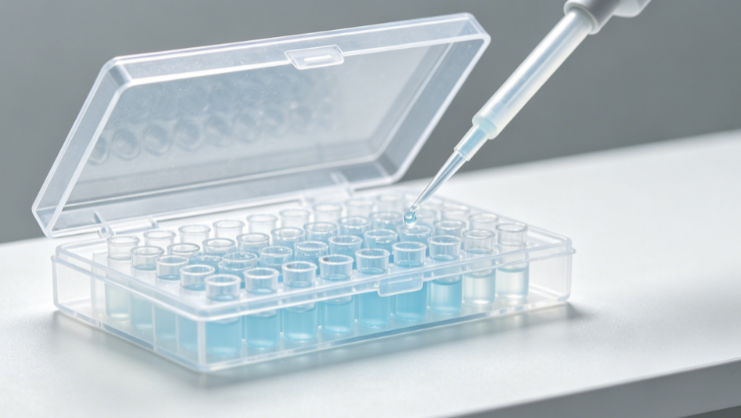
Standard protocol (quantitative CCP2 ELISA – manual): Antigen: microtiter plate wells are pre‑coated with synthetic cyclic citrullinated peptides (CCP2). Sample preparation: serum samples are diluted (typically 1:100 in sample diluent containing protein stabilizers and detergents to minimize non‑specific binding) and loaded into designated wells. Calibrators and controls: a multi‑point calibration curve (5‑6 calibrators, typically ranging from 5 to 200 U/mL) is included on each plate, together with at least two levels of internal quality controls (low positive, high positive, and negative). Incubation: plates are incubated for 60 minutes at 37°C (or room temperature, depending on kit instructions). During this step, anti-CCP IgG antibodies present in the sample bind to the immobilized CCP antigens. Washing: unbound serum components are removed by repeated washing (3‑5 cycles) with phosphate‑buffered saline containing Tween 20 (PBST). Conjugate addition: horseradish peroxidase (HRP)-labeled anti‑human IgG conjugate is added and incubated for 30 minutes at room temperature. The conjugate binds to any captured anti-CCP antibodies. Substrate addition: after a second wash cycle, tetramethylbenzidine (TMB) substrate solution is added, producing a blue color in proportion to the amount of bound conjugate. Stop solution (dilute sulfuric acid) is added, turning the blue color to yellow. Absorbance measurement: optical density (OD) is read at 450 nm using a microplate reader. The anti-CCP concentration (U/mL) in each sample is interpolated from the four‑parameter logistic (4PL) calibration curve. The total test duration is approximately 105 minutes (including all incubation and washing steps).
Quality control criteria – The assay run is considered valid only if the following criteria are met: the correlation coefficient (R²) of the calibration curve is ≥0.995, the OD of the blank (negative control) is <0.1, the OD of the high positive control falls within its expected range (±20%), and the coefficient of variation (CV) of duplicate sample readings is ≤10%. If any of these criteria are violated, the entire plate is repeated.
3.2 Chemiluminescence Immunoassay (CLIA) – Automated Platform
The CLIA method is increasingly preferred for high‑volume clinical laboratories due to its speed, automation, and excellent analytical sensitivity.
Standard protocol (e.g., ADVIA Centaur CCP IgG assay): Reagent preparation: the primary reagent pack contains paramagnetic microparticles coated with streptavidin coupled with biotinylated CCP peptides, acridinium ester‑labeled anti‑human IgG monoclonal antibody, and ancillary buffers. Sample incubation: 10 μL of serum or plasma is automatically pipetted into a reaction cuvette together with the solid phase microparticles. During the first incubation, anti-CCP IgG antibodies bind to the CCP‑coated microparticles. A magnetic separation and washing step removes unbound serum proteins. Conjugate addition: acridinium ester‑labeled anti‑human IgG is added and incubated, binding to the captured anti-CCP antibodies. A second magnetic separation/wash removes any unbound conjugate. Signal generation: the acridinium ester label is triggered by the addition of acid and base reagents, producing a flash of chemiluminescence directly proportional to the amount of anti-CCP antibody in the sample. The chemiluminescent signal is measured in relative light units (RLUs). The sample concentration is calculated by the instrument software based on a master curve calibrated to the WHO International Standard (IS 2723). The total test time is 30‑45 minutes (from sample loading to result).
Performance characteristics – Limit of detection: typically 1.0 U/mL; Linear range: 2‑200 U/mL (with automatic dilution for high‑titer samples); Imprecision: intra‑assay CV <5%, inter‑assay CV <8%.
3.3 Particle‑Enhanced Immunoturbidimetric Assay (PETIA)
The immunoturbidimetric method is designed for routine clinical chemistry analyzers, offering high throughput and full automation without dedicated immunoassay platforms.
Standard protocol (latex‑enhanced turbidimetric assay): The assay is performed on an automated chemistry analyzer (e.g., Hitachi 7170, Beckman AU480, Roche Cobas c701). CCP antigen is covalently coupled to latex particles to form a stabilized suspension. When serum containing anti-CCP antibodies is mixed with the latex reagent, the antibodies cross‑link the antigen‑coated particles, forming immune complexes that aggregate and increase turbidity. The rate of turbidity increase (measured as the change in absorbance at 550‑570 nm) is directly proportional to the anti-CCP concentration. A multi‑point calibration curve is used to convert the measured absorbance change into U/mL. The total test time is 10‑15 minutes, making this method suitable for same‑day clinical decision‑making. This method is fully automated, exhibits excellent correlation with ELISA (r > 0.95), and provides significantly faster turnaround time.
To ensure the highest standard of analytical accuracy and inter‑laboratory reproducibility, we adhere to a stringent quality control system:
Internal QC: For every batch of clinical samples, we include three levels of commercially available quality control material (negative, low positive, high positive) provided by the same manufacturer as the assay kit. The QC material is assayed at the beginning, middle, and end of each batch (or every 50 samples for automated platforms). The assay run is considered valid only if the results for the QC materials fall within the manufacturer‘s predetermined acceptable ranges (±2 SD). If the QC material falls outside these ranges, the entire batch is rejected, the instrument is recalibrated, and the samples are retested.
External proficiency testing (EQA): We participate in recognized External Quality Assessment (EQA) schemes for anti-CCP antibodies, such as the UK NEQAS (National External Quality Assessment Service) program, College of American Pathologists (CAP) proficiency testing surveys, and laboratory‑specific inter‑laboratory comparison programs. We also periodically exchange well‑characterized clinical samples with partner reference laboratories to verify the alignment of our assay results across different platforms and reagent lots. Our EQA performance is reviewed quarterly by our quality management committee.
Correlation with clinical classification – Our quantitative anti-CCP results are flagged for high positivity using the ACR/EULAR 2010 classification criterion of “>3× upper limit of normal” (typically >15‑20 U/mL, depending on the specific assay‘s normal range). This value contributes 3 points toward the total classification score for RA, providing a direct link between our laboratory report and the clinical classification algorithm. Results that fall into the intermediate range are annotated with the appropriate likelihood ratios (LR+ and LR-) to assist clinicians in calculating post‑test probability of RA based on the local pre‑test prevalence.
4. Clinical Interpretation & Result Reporting
Our laboratory reports are structured to provide both the quantitative anti-CCP level and a clinically actionable interpretation. The interpretive guide is derived from the manufacturer’s reference range, optimized local cut‑offs, and the ACR/EULAR 2010 classification criteria thresholds. For each report, we provide the anti-CCP result in U/mL (or WHO kU/L), a clearly stated interpretation (negative / weakly positive / positive), and a specific comment regarding the ACR/EULAR 2010 classification scoring if applicable (e.g., "This positive result >3× ULN contributes 3 points toward the classification of rheumatoid arthritis when combined with clinical joint findings").
The anti-CCP test is an integral component of the ACR/EULAR 2010 classification criteria for RA. Under these criteria, anti-CCP positivity at a level above the upper limit of normal (ULN) contributes 2 points to the total classification score; positivity at a level >3× the ULN contributes 3 points. The total score required for classification as definite RA is ≥6 (out of a possible 10 points, combining joint involvement, serology, acute phase reactants, and duration of symptoms). Seropositivity for both anti-CCP and RF yields a higher serology score (3 points) than either marker alone, and the serology score (0‑3) is a major driver of the total classification score.
Our interpretive comments also include an estimate of the likelihood of RA based on the measured anti-CCP titer. Using interval‑specific likelihood ratios derived from large cohort studies: anti-CCP2 < 5 U/mL gives a low likelihood ratio (LR+ ~0.4); anti-CCP2 5‑15 U/mL gives a moderate LR+ (~6.7); anti-CCP2 15‑30 U/mL gives a high LR+ (~27); anti-CCP2 >30 U/mL gives a very high LR+ (~29). These LRs can be used by clinicians to update the pre‑test probability of RA after considering clinical symptoms and other laboratory findings.
5. Why Choose Our Third‑Party Anti-Citrullinated Peptide Testing Services?
As an independent laboratory, we provide unbiased, accurate, and clinically actionable data. Our strengths include:
ISO/IEC 17025 accreditation – Our anti-CCP testing is CNAS/CMA accredited, with regular participation in proficiency testing (UK NEQAS, CAP). The use of the WHO International Standard (IS 2723) ensures calibration traceability and harmonized results across our different testing platforms.
Multi‑platform, cross‑validated assay suite – We offer three orthogonal methods: high‑sensitivity ELISA (reference method), high‑throughput CLIA (automated, rapid turnaround), and immunoturbidimetric assay (for routine chemistry analyzers). For large clinical trials or method‑transition projects, we can perform side‑by‑side validation on two different platforms and provide regression statistics and a method‑specific interpretation.
Reference interval determination – For kits without a pre‑determined population‑specific reference interval, we offer reference interval studies using well‑characterized healthy control subjects (minimum n = 120) according to CLSI EP28‑A3c guidelines. For clinical trials, we also assist in determining study‑specific cut‑offs based on receiver operating characteristic (ROC) curve analysis.
Fast turnaround – Routine anti-CCP testing (single sample, CLIA platform) results are available within 24 hours of sample receipt; batch ELISA results are available within 48‑72 hours; urgent clinical samples can be processed on the same day (STAT service available).
Detailed reporting – Reports include raw data (OD or RLU values), calibration curve parameters (for ELISA), quality control results, calculated anti-CCP concentration with units, assay method and kit information, interpretive comments, and a clear conclusion (negative, weakly positive, positive, or high positive). For research projects, we provide raw data files (Excel format) with anonymized sample identifiers.
Confidentiality – Full protection of patient health information, clinical trial codes, and proprietary research data. All data handling complies with the applicable privacy regulations (HIPAA, GDPR, PIPL).
Consultative support – Our clinical immunologists and laboratory directors assist with result interpretation, cut‑off selection, cross‑platform correlation studies, and assay troubleshooting.
Whether you need to confirm a diagnosis of seropositive rheumatoid arthritis, stratify patients for a clinical trial of a targeted disease‑modifying therapy, monitor the evolution of pre‑clinical autoimmunity, or cross‑validate a new anti-CCP assay, our ACPA testing experts are ready to deliver precise, high‑quality data.
Get Started with Your Anti-Citrullinated Peptide Testing Project
Contact our team with your specimen type (serum, plasma, CSF), testing objective (clinical diagnosis, clinical trial screening, research quantification), preferred platform (ELISA, CLIA, turbidimetric, lateral flow), and any special requirements (urgent turnaround, bulk volume, panel extension). We will provide a detailed quotation, sample submission guidelines (minimum volume 0.5 mL serum for a single test; 1.5 mL for extended autoantibody panel), specimen storage and transport conditions (refrigerated at 2‑8°C, avoid freeze‑thaw cycles), and a testing schedule. Let us help you quantify the anti-CCP antibody response with precision and clinical insight.
This article provides an overview of our anti-citrullinated peptide antibody (ACPA) testing capabilities. For specific test methods, sample quantity, and pricing, please request a tailored service proposal.