Reasons for choosing our testing services
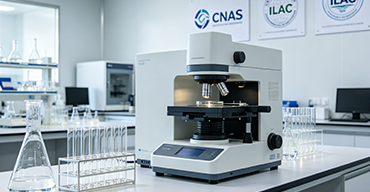
ZHONGXI Testing has obtained inspection qualification certifications from multiple countries and regions worldwide. We possess a senior testing team and advanced testing methods, providing independent, impartial, and professional third-party verification services for global carbon projects.
Internationally recognized authority
Certified by multiple international standards such as CNAS, VCS, and GS, with reports universally applicable worldwide.

Global service capability
Covering 140+ countries and regions, it supports on-site detection and remote verification in multiple languages.

Professional experimental methods
Adopt standard experimental methods to ensure accurate and reliable data.
Polyethylene (PE) Testing Services: Comprehensive Quality Assurance for the World‘s Most Versatile Thermoplastic
As an independent third-party testing service provider, we offer comprehensive testing for all types of polyethylene (PE) materials and products – including low-density polyethylene (LDPE), linear low-density polyethylene (LLDPE), medium-density polyethylene (MDPE), high-density polyethylene (HDPE), crosslinked polyethylene (PEX), and ultra-high molecular weight polyethylene (UHMW-PE). Polyethylene is the most widely produced thermoplastic globally, serving critical industries such as packaging, pipe systems (water supply, gas distribution, irrigation), automotive components, medical devices, consumer goods, wire and cable insulation, and agricultural films. Its performance depends on molecular structure, density, molecular weight distribution, and additive formulation. Our accredited laboratory follows international standards (ASTM, ISO, EN, GB/T, UL) to deliver accurate, reproducible, and legally defensible test data across physical, mechanical, thermal, electrical, chemical, and environmental performance domains. This article outlines our polyethylene testing capabilities – including scope, key test items, and standard test methods – to help manufacturers, converters, quality assurance teams, and end users verify material compliance and fitness-for-purpose.
1. Our Testing Scope for Polyethylene (PE) Materials
We cover all common PE grades, product forms, and testing categories:
By material type / grade: LDPE (low-density polyethylene – density 0.910‑0.925 g/cm³) – flexible, high clarity; LLDPE (linear low-density polyethylene) – higher tensile strength and puncture resistance; MDPE (medium-density polyethylene – density 0.926‑0.940 g/cm³) – balanced properties for gas pipes; HDPE (high-density polyethylene – density 0.941‑0.965 g/cm³) – high stiffness, chemical resistance; PEX (crosslinked polyethylene) – for hot water plumbing and radiant heating; UHMW-PE (ultra-high molecular weight polyethylene) – extreme wear resistance; Recycled PE (PCR – post-consumer recycled) and PE compounds with additives (UV stabilizers, antioxidants, flame retardants, carbon black, glass fibre reinforcement).
By product form: Raw pellets / granules; Extruded film and sheet (blown, cast); Injection moulded parts; Blow moulded containers (bottles, drums, jerry cans); Rotomoulded tanks; Compression moulded parts; PE pipes and fittings (water, gas, industrial); Wire and cable insulation; Geomembranes and liners; Foam (cellular polyethylene).
By test category: Physical properties (density, melt flow index – MFI/MFR, moisture content); Mechanical properties (tensile, flexural, impact, tear, hardness, compression); Thermal properties (melting point, crystallinity, heat deflection temperature – HDT, Vicat softening point, oxidative induction time – OIT, thermal stability – TGA); Electrical properties (volume resistivity, surface resistivity, dielectric strength, dielectric constant, dissipation factor); Chemical & environmental resistance (resistance to acids, alkalis, oils, solvents; UV weathering / xenon arc; salt spray; water absorption); Environmental stress crack resistance (ESCR); Pipe-specific tests (hydrostatic pressure resistance, burst pressure, slow crack growth, rapid crack propagation); Material identification & composition (FTIR spectroscopy, comonomer content, carbon black content).
By regulatory framework / end-use standard: ASTM D3350 (specification for PE pipe/fittings materials – classification based on density, melt index, flexural modulus, ESCR); ASTM D4976 (PE plastic moulding materials); ISO 17855 (PE moulding and extrusion materials); EN 12201 (PE pipes for water supply); EN 1555 (PE pipes for gas supply); GB/T 11115 (PE resin – China); UL 94 (flammability); FDA 21 CFR 177.1520 (food contact – PE).
2. Key Test Items & Measurements We Perform
Our polyethylene testing services are grouped into seven performance domains, each critical for different end-use applications and regulatory requirements.
2.1 Physical Properties (Density & Rheology)
Density (ASTM D1505, D792 / ISO 1183 / GB/T 1033) – fundamental property that determines PE classification (LDPE, MDPE, HDPE). Measured by density gradient column, immersion method (buoyancy), or gas pycnometer. Typical ranges: LDPE: 0.910‑0.925 g/cm³; MDPE: 0.926‑0.940 g/cm³; HDPE: 0.941‑0.965 g/cm³. Per ASTM D3350, density directly correlates with short-term strength and stiffness.
Melt flow index / melt flow rate (MFI / MFR – ASTM D1238, ISO 1133, GB/T 3682) – measures the ease of flow of molten PE under defined temperature (typically 190°C) and load (2.16 kg, 5.0 kg, 10.0 kg, or 21.6 kg). Expressed in g/10 min. Lower MFI indicates higher molecular weight → higher strength and toughness but more difficult processing. Essential for quality control, lot-to-lot consistency, and processability assessment.[reference:0][reference:1]
Moisture content – measured by Karl Fischer titration or loss on drying (vacuum oven). Critical for extrusion and moulding processes – excess moisture causes splay marks, voids, and hydrolytic degradation of additives.
Bulk density (for granular PE) – ASTM D1895 – for hopper design and conveying system evaluation.
Ash content (ASTM D5630 / ISO 3451) – determines inorganic filler content (e.g., CaCO₃, talc, glass fibre).
2.2 Mechanical Properties
tensile strength & elongation at break (ASTM D638, ISO 527, GB/T 1040) – Type I, IV, or Type V dog‑bone specimens. tensile strength at yield (MPa), tensile strength at break (MPa), elongation at break (%). For HDPE: tensile yield strength ≥ 21‑28 MPa; elongation at break ≥ 500‑700%. For LDPE: elongation at break ≥ 100‑300%.[reference:2]
Flexural strength & flexural modulus (ASTM D790, ISO 178, GB/T 9341) – three‑point bending test. Indicates stiffness and resistance to bending. For HDPE: flexural modulus typically 800‑1200 MPa. Critical for pipe stiffness rating (SN / SN4, SN8, SN16).
impact resistance – Izod or Charpy notched (ASTM D256, ISO 180). For thin films: dart drop (ASTM D1709), pendulum impact. For PE materials subject to sudden loads (automotive parts, pipe protection). Notched Izod for HDPE: 20‑100 J/m.
Tear strength (for PE films – ASTM D1004, D1922, ISO 6383) – Elmendorf tear (propagation) and Graves tear (initiation). Critical for packaging films, agricultural films, and geomembranes.
Hardness – Shore D (ASTM D2240, ISO 868) for rigid PE; Shore A for flexible LDPE compounds.
Compression strength (ASTM D695) – for structural PE components (rotomoulded tanks, industrial parts).
Wear resistance (ASTM D4060 – taber abrasion) – for high‑wear applications (conveyor components, UHMW-PE).
2.3 Thermal Properties
Melting temperature (Tm) & crystallinity (DSC – ASTM D3418, ISO 11357‑3, GB/T 19466) – differential scanning calorimetry. PE melting range: HDPE 125‑135°C, LDPE 105‑115°C. Crystallinity (%) indicates mechanical strength, barrier properties, and shrinkage behaviour. Per ISO 11357‑3, DSC also determines crystallization temperature (Tc) and enthalpy of fusion.[reference:3]
Oxidative induction time (OIT – ASTM D3895, ISO 11357‑6) – measures thermal stability and antioxidant effectiveness under oxygen atmosphere at elevated temperature (typically 200°C). For pipe‑grade PE, OIT ≥ 20‑40 minutes. Critical for long‑term hot water applications (PEX, pipe compounds).[reference:4][reference:5]
Heat deflection temperature (HDT – ASTM D648, ISO 75, GB/T 1634) – temperature at which a test bar deflects 0.25 mm under specified load (0.45 MPa or 1.82 MPa). For HDPE: HDT (0.45 MPa) ≈ 60‑80°C.
Vicat softening temperature (VST – ASTM D1525, ISO 306, GB/T 1633) – temperature at which a flat needle penetrates 1 mm into specimen under a specified load (10 N or 50 N). For HDPE: VST ≈ 110‑125°C.
Thermogravimetric Analysis (TGA – ASTM E1131, ISO 11358) – determines decomposition onset temperature (typically PE degrades above 350‑400°C in air) and filler/residue content.
Low‑temperature brittleness (ASTM D746, ISO 974) – for outdoor and cold‑climate PE applications (e.g., winter construction, agricultural films).
2.4 Electrical Properties
Volume resistivity (ASTM D257, IEC 60093, GB/T 1410) – measures a material‘s resistance to electrical current through its bulk. For insulation‑grade PE, volume resistivity ≥ 10¹⁵ Ω·cm (LDPE) to ≥ 10¹⁵‑10¹⁶ Ω·cm (HDPE). PE is an excellent electrical insulator, widely used for wire and cable insulation.[reference:6]
Surface resistivity (ASTM D257, IEC 60093) – measures resistance across the surface of the material. For anti‑static or conductive PE compounds, surface resistivity specified per application.
Dielectric strength (ASTM D149, IEC 60243‑1, GB/T 1408) – Breakdown Voltage (kV/mm). Typical PE dielectric strength ≥ 40‑50 kV/mm for 0.5‑2 mm thickness. Essential for high‑voltage cable insulation.
Dielectric constant (permittivity – ASTM D150, IEC 60250) – relative permittivity of PE under AC field (typically at 1 kHz to 1 MHz). For PE: εᵣ ≈ 2.3 (very low, favourable for signal transmission).[reference:7]
Dissipation factor (tan δ – ASTM D150, IEC 60250) – measure of dielectric loss. For PE: tan δ ≈ 1‑5 × 10⁻⁴ (very low).
Comparative tracking index (CTI – IEC 60112) – for PE in high‑voltage applications (insulators, switchgear).
2.5 Chemical & Environmental Resistance
Chemical resistance / immersion test (ASTM D543, ISO 175, GB/T 11547) – evaluates the effect of chemical reagents (acids, alkalis, oils, solvents, salt solutions) on PE after defined immersion periods. Property changes measured: weight (%), dimensions (%), tensile strength (%), appearance (discoloration, swelling, cracking). PE exhibits excellent resistance to most aqueous acids, alkalis, and many organic solvents at room temperature, but is susceptible to hydrocarbons (e.g., benzene, hexane, gasoline) and strong oxidizing acids.[reference:8]
Environmental stress crack resistance (ESCR – ASTM D1693, ISO 22088, GB/T 1842) – the most critical long‑term durability test for PE (especially HDPE) used in contact with aggressive surfactants or chemicals. Notched specimens are bent into a U‑shape holder, immersed in a non‑ionic surfactant (Igepal CO‑630) solution at 50°C, and inspected for cracks at regular intervals. ESCR is reported as F₅₀ (50% probability failure time in hours). For pipe‑grade PE, ESCR ≥ 96‑1000 hours depending on classification. Lower ESCR indicates susceptibility to brittle failure under stress in chemical environments.[reference:9][reference:10]
Water absorption (ASTM D570, ISO 62) – measures moisture uptake after immersion. PE has very low water absorption (<0.01% after 24 hours), making it suitable for water contact applications.
Accelerated weathering (UV resistance – ASTM D4329, ISO 4892‑3, GB/T 16422.3) – using fluorescent UV (QUV) or xenon arc chambers to simulate outdoor sunlight exposure. Evaluates: colour change (ΔE*), gloss retention, chalking, surface cracking, tensile strength retention. For outdoor‑grade PE (carbon black‑stabilized or UV‑stabilized), retention of ≥ 80% tensile strength after 1000‑2000 hours is typical.[reference:11][reference:12]
Ozone resistance (ASTM D1149) – for PE in atmospheric exposure (not generally required as PE is ozone‑resistant, but for specific applications).
Oxidation induction time (OIT) by DSC (see Section 2.3 – thermal properties) also serves as an indicator of long‑term thermal stability and antioxidant depletion.
2.6 PE Pipe & Fitting Specific Tests
Hydrostatic pressure resistance (long‑term – ASTM D1598, ISO 1167, GB/T 6111) – PE pipe specimens filled with water, subjected to constant internal pressure at specified temperature (20°C, 60°C, 80°C) until failure. Determines hydrostatic design basis (HDB) and time‑to‑failure regression curve. Essential for pipe material classification (PE63, PE80, PE100).[reference:13][reference:14]
Short‑term hydraulic burst pressure (ASTM D1599) – rapid pressurization to determine burst strength.
Slow crack growth resistance (SCG – ASTM F1473 – Pennsylvania notch test – PENT, ISO 13479 – notch test) – extended test (500‑5000 hours) to evaluate resistance to brittle crack propagation. For PE100 pipes, SCG ≥ 500 hours per ISO 13479.
Rapid crack propagation (RCP – ISO 13477, ISO 13478 – S4 test) – critical for large‑diameter gas pipes. Determines critical pressure to arrest propagating cracks.
PIPE dimensional checks – outer diameter (mean, minimum, maximum), wall thickness (minimum, average), ovality, length. Per ASTM D3035 / ISO 4427.
Melt flow ratio (MFR₂₁ / MFR₅) – indicates broadness of molecular weight distribution. High ratio (e.g., ≥ 40) indicates bimodal PE with excellent processability and long‑term performance.
Carbon black content (for black PE pipes – ASTM D1603, ISO 6964) – measured by pyrolysis (mass loss) or Thermogravimetric Analysis (TGA). Typically 2.0‑2.5% for UV‑stabilized black compound.
2.7 Material Identification & Composition Analysis
Fourier transform infrared spectroscopy (FTIR – ASTM E1252, ISO 1833) – identifies polymer type (PE vs. PP vs. PA, etc.), comonomer content (LLDPE vs. HDPE vs. LDPE), oxidation/degradation products (carbonyl index at ~1720 cm⁻¹), additive presence (antioxidants, slip agents, antiblock agents). Characteristic PE peaks: C‑H stretching (2850‑3000 cm⁻¹), CH₂ rocking (720 cm⁻¹ – distinguishes LDPE/HDPE intensity ratio).[reference:15][reference:16]
Comonomer content (for LLDPE – ISO 17673) – determines the concentration of hexene, octene, or butene comonomers – affects mechanical and optical properties.
Carbon black dispersion (ISO 18553, ASTM D5596) – microscopic rating of carbon black agglomerates in black PE compounds.
Gel content (for crosslinked PE – PEX – ASTM D2765, ISO 10147) – percentage of insoluble polymer after extraction; 65‑85% for properly crosslinked PEX.
Volatile organic compounds (VOC) – headspace GC‑MS – for indoor air quality applications (e.g., automotive interior PE parts).
3. Standard Test Methods We Apply
All tests are performed according to internationally recognised standards. Our laboratory is ISO/IEC 17025 accredited and equipped with melt flow indexers, universal testing machines, DSC/TGA instruments, environmental chambers, weathering testers, electrical test benches, and pipe pressure test rigs.
3.1 Physical & Rheological Properties Standards
Density – ASTM D1505 (gradient column), ASTM D792 (immersion), ISO 1183‑1/-2, GB/T 1033.
Melt flow rate (MFR / MFI) – ASTM D1238, ISO 1133‑1, GB/T 3682.
Moisture content – ASTM D3030 (Karl Fischer), ASTM D6980 (loss on drying).
Ash content – ASTM D5630, ISO 3451, GB/T 9345.
3.2 Mechanical Properties Standards
Tensile – ASTM D638, ISO 527‑1/-2, GB/T 1040.
Flexural – ASTM D790, ISO 178, GB/T 9341.
Impact (Izod/Charpy) – ASTM D256, ISO 180, GB/T 1843.
Tear strength – ASTM D1004 (Graves), ASTM D1922 (Elmendorf), ISO 6383.
Hardness (Shore D) – ASTM D2240, ISO 868, GB/T 2411.
Compression – ASTM D695, ISO 604.
taber abrasion – ASTM D4060, ISO 5470‑1.
3.3 Thermal Properties Standards
DSC (melting point, crystallinity) – ASTM D3418, ISO 11357‑3, GB/T 19466.
Oxidative induction time (OIT) – ASTM D3895, ISO 11357‑6.
Heat deflection temperature (HDT) – ASTM D648, ISO 75‑1/-2, GB/T 1634.
Vicat softening temperature – ASTM D1525, ISO 306, GB/T 1633.
Thermogravimetric Analysis (TGA) – ASTM E1131, ISO 11358, GB/T 27761.
Low temperature brittleness – ASTM D746, ISO 974, GB/T 5470.
3.4 Electrical Properties Standards
Volume & surface resistivity – ASTM D257, IEC 60093, GB/T 1410.
Dielectric strength – ASTM D149, IEC 60243‑1, GB/T 1408.
Dielectric constant & dissipation factor – ASTM D150, IEC 60250, GB/T 1409.
Comparative tracking index (CTI) – IEC 60112.
3.5 Chemical & Environmental Resistance Standards
Chemical immersion – ASTM D543 (general), ISO 175, GB/T 11547.
Environmental stress crack resistance (ESCR) – ASTM D1693 (bent strip), ISO 22088 (three methods), GB/T 1842.
Water absorption – ASTM D570, ISO 62, GB/T 1034.
Accelerated weathering (UV) – ASTM D4329 (UV fluorescent), ISO 4892‑3, GB/T 16422.3 (xenon arc).
Ozone resistance – ASTM D1149, ISO 1431.
Salt spray – ASTM B117, ISO 9227.
Hydrostatic pressure (long‑term) – ASTM D1598, ISO 1167, GB/T 6111.
Short‑term burst – ASTM D1599.
Slow crack growth (PENT) – ASTM F1473, ISO 13479.
Rapid crack propagation (RCP) – ISO 13477, ISO 13478.
Carbon black content – ASTM D1603, ISO 6964, GB/T 13021.
3.7 Material Identification & Composition Standards
FTIR spectroscopy – ASTM E1252, ISO 1833, GB/T 6040.
Comonomer content (LLDPE) – ISO 17673.
Carbon black dispersion – ISO 18553, ASTM D5596.
Gel content (PEX) – ASTM D2765, ISO 10147.
3.8 Product & Material Specification Standards
PE moulding and extrusion materials – ASTM D4976 (general), ISO 17855, GB/T 11115.
PE pipe materials classification – ASTM D3350 (standard specification for PE pipe/fittings materials – classification based on density, melt index, flexural modulus, ESCR).
PE pipe (water) – ISO 4427, EN 12201, ASTM D3035, GB/T 13663.
PE pipe (gas) – ISO 4437, EN 1555, ASTM D2513, GB/T 15558.
Food contact – FDA 21 CFR 177.1520 (polyethylene resins), EU 10/2011 (plastic materials and articles intended to come into contact with food).
4. Why Choose Our Third‑Party Polyethylene (PE) Testing Services?
As an independent laboratory with deep expertise in polymer science, we provide unbiased, accurate, and legally defensible data. Our advantages include:
ISO/IEC 17025 accreditation – CNAS/CMA certified, with regular proficiency testing (e.g., ASTM D638, D1238, D3895, and pipe hydrostatic round robins).
Complete test portfolio – physical, mechanical, thermal, electrical, chemical, environmental, and pipe‑specific tests – all under one roof.
PE‑specific expertise – our polymer engineers understand the nuances of LDPE, HDPE, MDPE, LLDPE, PEX, and UHMW-PE – including molecular weight distributions, branching effects, and stabilisation systems.
Fast turnaround – typical routine testing (MFI, density, tensile, OIT) within 3‑5 business days; pipe hydrostatic (long‑term) up to 12 months (scheduled accordingly).
Comprehensive reporting – includes raw data, stress‑strain curves, DSC thermograms (melting/crystallization peaks), OIT oxidation curves, FTIR spectra, and clear pass/fail conclusions against customer specifications (ASTM D3350, ASTM D4976, ISO 17855, etc.).
Confidentiality – full protection of your resin formulation, compound recipe, and proprietary additive systems.
Consultative support – our materials scientists help select the appropriate test matrix for your end‑use (pipe extrusion, injection moulding, film blowing, rotomoulding, wire & cable), interpret unexpected results (brittle failure, low ESCR, high melt flow, oxidation), and advise on formulation or processing optimisation.
Whether you need to qualify a new PE pipe material for gas distribution (ISO 4437), verify the OIT of a stabilized compound for hot water application, assess the ESCR of an HDPE blow moulded container, or compare LDPE film properties for flexible packaging, our polyethylene testing experts are ready to deliver reliable, actionable data.
Get Started with Your Polyethylene Testing Project
Contact our team with your PE type (LDPE, HDPE, MDPE, LLDPE, PEX), product form (pellet, pipe, film, moulded part), target specification (ASTM D3350, ISO 17855, ASTM D4976, FDA, etc.), and required test items (e.g., density, MFI, tensile, ESCR, OIT, hydrostatic). We will provide a detailed quotation, sample submission guidelines (minimum quantity for pellets: 1‑2 kg, for finished products: depends on specimen geometry), conditioning requirements (23 ± 2°C / 50 ± 5% RH for ≥ 24 hours), and a testing schedule. Let us help you ensure that your polyethylene materials meet all quality, safety, and performance requirements for their intended application.
This article provides an overview of our polyethylene (PE) material testing capabilities. For specific test methods, sample quantity, and pricing, please request a tailored service proposal.