Reasons for choosing our testing services
ZHONGXI Testing has obtained inspection qualification certifications from multiple countries and regions worldwide. We possess a senior testing team and advanced testing methods, providing independent, impartial, and professional third-party verification services for global carbon projects.

Internationally recognized authority
Certified by multiple international standards such as CNAS, VCS, and GS, with reports universally applicable worldwide.

Global service capability
Covering 140+ countries and regions, it supports on-site detection and remote verification in multiple languages.

Professional experimental methods
Adopt standard experimental methods to ensure accurate and reliable data.
glass block Testing Services: Quality, Strength & Safety Validation for Architectural Glazing
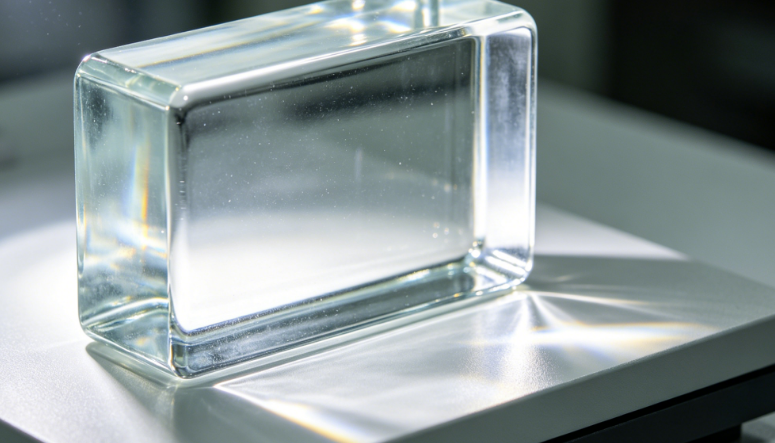
As an independent third‑party testing service provider, we offer comprehensive testing for glass blocks (also known as glass bricks) used in architectural construction – including hollow glass blocks, solid glass blocks, dished glass blocks, glass pavers, and square, rectangular, and circular glass block units. glass blocks are widely used for non‑load‑bearing walls, partitions, exterior cladding, floors, vaults, domes, interior design elements, and industrial glazing due to their excellent light transmission, thermal insulation, acoustic properties, fire resistance, and aesthetic appeal. Their performance depends on dimensional accuracy, compressive strength, optical clarity, thermal shock resistance, and durability under environmental exposure. Our accredited laboratory follows international standards (ISO 21690, EN 1051‑1, ASTM C1652, ASTM C240, EN 12600, ANSI Z97.1, GB/T 18915, GB/T 2847) to deliver accurate, reproducible, and legally defensible test data. This article outlines our glass block testing capabilities – including scope, key test items, and standard test methods – to help manufacturers, importers, architects, contractors, and regulatory bodies verify product compliance and fitness‑for‑purpose.
1. Our Testing Scope for glass blocks
We cover all common glass block types, product forms, and testing categories:
By glass block type: Hollow glass blocks (hermetically sealed, two pressed glass shells fused together) – most common type for wall construction; Solid (cast) glass blocks – thicker, higher load‑bearing capacity; Dished glass blocks – curved or recessed surface design; Glass pavers – designed for floor, pavement, and walkable surfaces; Square glass blocks; Rectangular glass blocks; Circular glass blocks; Cast glass bricks; Textured / patterned glass blocks (frosted, ribbed, clear, tinted).
By product form: Standard size glass blocks (e.g., 190×190×80 mm, 190×190×95 mm, 240×115×80 mm, 300×300×100 mm, custom dimensions); Corner glass blocks (for rounded wall corners); Half blocks (end blocks); glass block panels (pre‑assembled with mortar or silicone); Illuminated glass blocks (with embedded LEDs – by arrangement).
By test category: Physical properties (external dimensions, face thickness, mass, edge profile, production irregularities – twist, bulge, depression); Mechanical strength (compressive strength, applied load test, flexural strength for pavers); Optical & visual properties (light transmittance, optical distortion, secondary image, haze, colour uniformity, surface blemishes – bubbles, inclusions, scratches, pits, opaque particles); Environmental durability (thermal shock resistance, freeze‑thaw resistance, UV/weathering resistance, water absorption, chemical resistance); Safety & impact resistance (pendulum impact – EN 12600, steel ball drop, shot bag impact); Material composition & certification (soda‑lime silicate glass analysis, lead‑free verification, food contact safety, compliance with EU Construction Products Regulation – CPR).
By international standard / regulation: ISO 21690:2021 (Glass in building – glass blocks – Specification and test methods); EN 1051‑1:2003 (Glass in building – glass blocks and glass pavers – Part 1: Definitions and description); EN 1051‑2:2007 (glass blocks – Evaluation of conformity / Product standard); ASTM C1652/C1652M (Optical distortion measurement using digital photography); ASTM C240 (Cellular glass insulation block testing – density, water absorption, compressive strength, flexural strength – adaptable); EN 12600 (Pendulum impact test – flat glass, classes 1/2/3); ANSI Z97.1 (Safety glazing materials – impact resistance); GB/T 18915 (China – glass blocks); EU Construction Products Regulation (CPR) – CE marking requirements.
2. Key Test Items & Measurements We Perform
Our glass block testing services are organised into six performance domains. Each domain addresses critical properties required by building codes and product specifications (ISO 21690, EN 1051‑1, and national standards).
2.1 Dimensional Tolerances & Appearance
External dimensions – length, width (or diameter for circular blocks), and thickness measured at multiple points using sliding calipers (±0.05 mm accuracy). Per ISO 21690:2021, external dimensions shall not exceed ±1.5 mm relative to nominal size.[reference:0]
Face thickness – for hollow glass blocks, minimum face thickness shall be not less than 3.0 mm per ISO 21690.[reference:1] Measurement taken using ultrasonic thickness gauge or micrometer on both faces.
Mass tolerance – measured by weighing on a calibrated balance, compared to nominal mass per EN 1051‑1 Annex C.[reference:2]
Production irregularities – measurement of twisting / misalignment (≤ 1.5 mm), bulge (≤ 2.0 mm), and depression (≤ 1.0 mm) using steel straightedge and feeler gauges (ISO 21690).[reference:3]
Welded seam quality – for hollow blocks, welds must be tightly sealed without protrusion beyond the edge profile (visual inspection and tactile examination).[reference:4]
Edge treatment – assessment of edge grinding, polishing, and chipping per EN 1051‑1.[reference:5]
Flatness / bow measurement – for glass pavers and large‑format blocks, measured with a straightedge and feeler gauge (maximum permissible deviation specified by manufacturer).
2.2 Mechanical Strength & Load‑Bearing Capacity
compressive strength (hollow glass blocks) – minimum requirement per ISO 21690:2021 is 4.4 N/mm².[reference:6] Test procedure per Annex A of ISO 21690 or Annex A of EN 1051‑1: specimen placed between rigid steel platens, loaded at a specified rate (e.g., 0.5‑1.0 MPa/s) until failure. Mortar capping (per EN 998‑2, cap thickness ~10 ±2 mm) may be used to ensure uniform load distribution. compressive strength is calculated as failure load divided by face area.[reference:7]
Applied load test (for glass pavers – hollow, dished, solid) – minimum average compressive strength shall be 15.0 kN per ISO 21690. Used to verify suitability for floor and pavement applications.[reference:8]
Flexural strength (for glass pavers and solid blocks) – three‑point or four‑point bending test performed on a universal testing machine. Calculates modulus of rupture (MOR) in MPa. Per ASTM C240 methodology.[reference:9]
Breakage load (for non‑load‑bearing walls) – per EN 1051‑1 Section 6, determines maximum load before fracture under compressive or bending stress.[reference:10]
tensile strength (indirect, from splitting test) – optional for special structural assessments.
2.3 Optical & Visual Quality
Light transmittance – percentage of visible light transmitted through the glass block, measured with a spectrophotometer (wavelength 380‑780 nm). Clear hollow glass blocks typically achieve 80‑90% luminous transmittance; frosted/textured blocks 50‑80%. Test method per ISO 21690 Annex D (modelling) or direct spectral measurement.
Optical distortion (roll wave / surface waviness) – measured using ASTM C1652/C1652M digital photography method – the reflected image of a grid pattern is photographed, and image analysis quantifies distortion due to surface waviness. Also applicable to transmitted light in laminated or tempered glass assemblies.[reference:11] Critical for glass blocks used in partitions where visual clarity is required.
Secondary image / double image – angular separation between primary and secondary reflections measured with an optical bench or collimated light source. Excessive secondary image (> 10 minutes of arc) is objectionable.
Haze – light scattering percentage measured by a hazemeter (ASTM D1003). Lower haze indicates clearer, less diffuse light transmission.
Colour uniformity / colour difference (ΔE) – between blocks or batches using a spectrophotometer (CIELAB colour space). Colour difference ΔE shall be within visual agreement (typically ≤ 2.0).
Surface blemish inspection – visual inspection performed at a distance of 0.8‑1.0 metres with diffused backlighting (430‑540 lm/m²) per ISO 21690. Permissible limits defined for: bubble size and density, opaque inclusions (e.g., devitrification, stones, unmelted batch), scratches (length, width), pits (diameter, depth), chips, and edge damage.[reference:12]
2.4 Environmental Durability & Weathering
Thermal shock resistance – for special applications, ISO 21690 specifies a thermal shock test with a 40°C temperature fall (ΔT = 40°C). Specimens heated to a defined temperature, then rapidly cooled in water at ambient temperature. Examine for cracks, crazing, or other damage; no damage permitted.[reference:13][reference:14] Thermal shock resistance is also addressed in EN 1051‑2 Annex B (residual stress / thermal shock).[reference:15]
Freeze‑thaw resistance (frost resistance) – for glass blocks used in exterior walls in cold climates. Specimens saturated with water, subjected to repeated freeze‑thaw cycles (e.g., -15°C to +15°C, 50 cycles). Afterwards, inspect for cracking, delamination, or loss of mechanical strength.
Water absorption – measured by weighing dry specimens, submerging in distilled water for specified period (24‑48 hours), then re‑weighing. Low water absorption (<0.5%) indicates good freeze‑thaw durability.
Accelerated weathering – xenon arc or fluorescent UV exposure (ISO 4892‑2/‑3) to simulate outdoor sunlight. Evaluates colour change (ΔE), gloss retention, chalking, surface cracking, and mechanical property retention.
Chemical resistance – immersion tests in acids (e.g., 3% HCl, 3% H₂SO₄), alkalis (e.g., 5% NaOH), salts (5% NaCl), and organic solvents (e.g., ethanol, toluene). Assessed by visual change, mass loss, or surface etching.
2.5 Safety & impact resistance
Pendulum impact test (EN 12600) – a weighted pendulum (50 kg for Class 1, 45 kg for Classes 2 and 3) strikes the glass block specimen. Breakage pattern is evaluated and safety classification assigned: Class 1 (highest safety – no breakage or safe breakage pattern), Class 2 (medium safety – limited crack propagation), Class 3 (lowest acceptable safety).[reference:16][reference:17] This test is mandatory for safety glazing materials used in buildings.
Steel ball drop test (per GB/T 9963, EN 1051‑1) – a 227 g or 500 g steel ball is dropped from specified height (0.8‑2.0 metres) onto the glass block surface. Failure criteria: no breakage or, if broken, fragments must be small and blunt‑edged (safe fragmentation).[reference:18]
Shot bag impact test (per ANSI Z97.1) – a 45 kg shot bag (or 2.3 kg for smaller test) is swung from increasing heights to impact the glass block. Evaluates structural performance and injury reduction.[reference:19][reference:20]
impact resistance classification – assign safety rating (Class A, B, C per ANSI Z97.1; Category I, II per CPSC 16 CFR 1201; or EN 12600 Class 1, 2, 3) based on breakage pattern, fragment size, and retention of glazing in frame.
Fragmentation pattern analysis – for hollow glass blocks, images of broken specimens are documented; fragment size distribution and sharpness assessed against safety requirements.
2.6 Material Composition & Regulatory Compliance
Glass composition verification – chemical analysis by X‑ray fluorescence (XRF) or ICP‑OES to confirm soda‑lime silicate composition (typical: SiO₂ 70‑74%, CaO 8‑12%, Na₂O 12‑16%, MgO 1‑4%, Al₂O₃ 1‑2%).
Lead‑free verification – lead content (PbO) shall be ≤ 0.1% for food‑contact or environmentally friendly glass blocks; tested by ICP‑MS (ISO 17294).
Dangerous substances screening – per EN 1051‑2, testing for heavy metals (Pb, Cd, Cr, As, Sb, Co, Se, Ba) and other restricted substances (phthalates, formaldehyde, volatile organic compounds) to meet EU Construction Products Regulation (CPR) and RoHS requirements.[reference:21]
Residual stress measurement – by polariscope or strain viewer to detect tempering‑related stresses that could cause spontaneous breakage. Per EN 1051‑2 Annex B.[reference:22]
CE marking conformity assessment – we support initial type testing, factory production control, and ongoing surveillance per EN 1051‑2 for CE marking of glass blocks and glass pavers under the Construction Products Regulation.[reference:23]
3. Standard Test Methods We Apply
All tests are performed according to internationally recognised standards. Our laboratory is ISO/IEC 17025 accredited and equipped with universal testing machines (up to 1000 kN), spectrophotometers, hazemeters, pendulum impact testers, thermal shock apparatus, environmental chambers, and precision dimensional measurement instruments.
3.1 Dimensional & Appearance Standards
ISO 21690:2021 (glass blocks – Specification and test methods) – external dimension tolerances (±1.5 mm), face thickness (≥3.0 mm), production irregularities (twist ≤1.5 mm, bulge ≤2.0 mm, depression ≤1.0 mm), welded seam quality, and appearance limits (bubbles, inclusions, scratches).[reference:24]
EN 1051‑1:2003 (Glass in building – glass blocks and glass pavers – Part 1: Definitions and description) – mass tolerance, edge treatment, and compression strength/breakage load requirements.[reference:25]
EN 1051‑2:2007 (glass blocks – Evaluation of conformity / Product standard) – factory production control, CE marking, residual stress/thermal shock, and thermal transmittance determination.[reference:26]
ASTM C1652/C1652M (Optical distortion measurement using digital photography) – quantifies roll wave and surface waviness.[reference:27]
3.2 Mechanical Strength Standards
compressive strength (hollow blocks) – ISO 21690 Annex A, EN 1051‑1 Annex A – minimum 4.4 N/mm².[reference:28]
Applied load test (pavers) – ISO 21690 – minimum 15.0 kN average compressive strength.[reference:29]
Flexural strength (cellular glass) – ASTM C240 (adaptable to solid glass blocks) – density, water absorption, compressive strength, flexural strength.[reference:30]
Calibration of test machines – ISO 7500‑1.[reference:31]
3.3 Optical & Visual Standards
Light transmittance / reflectance / solar characteristics – EN 1051‑1 Annex D (modelling).
Optical distortion – ASTM C1652/C1652M.
Haze – ASTM D1003.
Colour measurement – ISO 11664 (CIELAB), ASTM E308.
Visual inspection lighting – ISO 21690 (0.8‑1.0 m distance, backlighting 430‑540 lm/m²).[reference:32]
3.4 Environmental & Durability Standards
Thermal shock – ISO 21690:2021 (ΔT = 40°C, no cracks).[reference:33] Residual stress/thermal shock per EN 1051‑2 Annex B.[reference:34]
Accelerated weathering (UV/xenon) – ISO 4892‑2 (xenon arc), ISO 4892‑3 (UV fluorescent).
Freeze‑thaw resistance – ISO 20392 (for masonry units, adapted).
Water absorption – ASTM C240, ISO 10545‑3 (adapted for glass blocks).
Chemical resistance – ISO 695 (glass resistance to alkali), ISO 1776 (acid resistance).
3.5 Safety & Impact Standards
Pendulum impact (flat glass) – EN 12600, ANSI Z97.1, BS EN 12600.[reference:35]
Shot bag impact – ANSI Z97.1.[reference:36][reference:37]
Steel ball drop – GB/T 9963 (tempered glass), EN 1051‑1.[reference:38]
Safety classification – EN 12600 Class 1, 2, 3; ANSI Z97.1 Class A, B, C; CPSC 16 CFR 1201 Category I, II.
3.6 Material & Compliance Standards
Chemical composition (XRF/ICP) – ISO 29581, ASTM E1621.
Heavy metals – EN 71‑3 (toy safety), ISO 8124‑3, GB/T 26125.
EU Construction Products Regulation (CPR) – EN 1051‑1 (product characteristics), EN 1051‑2 (conformity evaluation, CE marking).[reference:39]
4. Why Choose Our Third‑Party glass block Testing Services?
As an independent laboratory, we provide unbiased, accurate, and legally defensible data. Our advantages include:
ISO/IEC 17025 accreditation – CNAS/CMA certified, with regular proficiency testing (e.g., ISO 21690, EN 12600, ASTM C1652 interlaboratory programs).
Specialised glass testing equipment – precision optical benches, spectrophotometers (with integrating sphere), pendulum impact testers (EN 12600), universal testing machines (compression/flexure), thermal shock apparatus (ΔT up to 100°C), and environmental chambers for freeze‑thaw and weathering.
Complete test portfolio – dimensional, mechanical, optical, environmental, safety, and material compliance – all under one roof.
Fast turnaround – typical routine testing (dimensions, appearance, compressive strength, light transmittance) within 3‑5 business days; full certification programmes (ISO 21690, EN 1051) in 2‑3 weeks.
Comprehensive reporting – includes dimensional profiles, stress‑strain curves (compression/flexure), optical distortion grid images (ASTM C1652), light transmittance spectra, impact breakage photographs and classification, and clear pass/fail conclusions against ISO 21690, EN 1051, EN 12600, and ANSI Z97.1 limits.
Confidentiality – full protection of your glass block design, proprietary mould geometry, and customer specifications.
Consultative support – our glass engineers help interpret optical distortion values, diagnose compressive strength failures, assess freeze‑thaw durability for exterior applications, and advise on mould design or production process adjustments.
Whether you need to certify a new glass block product to ISO 21690, verify dimensional tolerances for a large‑scale architectural project, test the impact safety classification per EN 12600, or assess thermal shock resistance for exterior glazing, our glass block testing experts are ready to deliver reliable, actionable data.
Get Started with Your glass block Testing Project
Contact our team with your glass block type (hollow, solid, dished, paver), shape (square, rectangular, circular), nominal dimensions, target standard (ISO 21690, EN 1051, ASTM, GB/T), and required test items (compressive strength, optical distortion, impact resistance, thermal shock, etc.). We will provide a detailed quotation, sample submission guidelines (minimum 10‑20 blocks for a full test suite, conditioned at 23±2°C / 50±5% RH for ≥ 24 hours), and a testing schedule. Let us help you ensure that your glass blocks meet all quality, safety, and performance requirements for architectural glazing and structural applications.
This article provides an overview of our glass block testing capabilities. For specific test methods, sample quantity, and pricing, please request a tailored service proposal.