Reasons for choosing our testing services
ZHONGXI Testing has obtained inspection qualification certifications from multiple countries and regions worldwide. We possess a senior testing team and advanced testing methods, providing independent, impartial, and professional third-party verification services for global carbon projects.
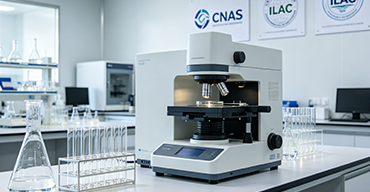
Internationally recognized authority
Certified by multiple international standards such as CNAS, VCS, and GS, with reports universally applicable worldwide.

Global service capability
Covering 140+ countries and regions, it supports on-site detection and remote verification in multiple languages.
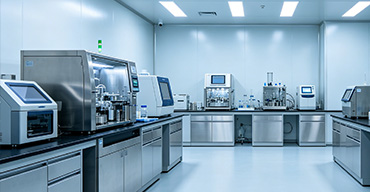
Professional experimental methods
Adopt standard experimental methods to ensure accurate and reliable data.
architectural coating Testing Services: Comprehensive Quality Assurance for Building Paints & Coatings
As an independent third-party testing service provider, we offer comprehensive testing for architectural coatings – including interior and exterior wall paints (emulsion paints), solvent-based coatings, elastic coatings, textured coatings (sand-textured, multi-colour, stone-like), fluorocarbon coatings, anti-corrosion coatings, waterproof coatings, fire-retardant coatings, anti-mould coatings, and powder coatings. architectural coatings are essential for protecting and decorating building surfaces such as walls, ceilings, facades, floors, and roofs. Their performance directly impacts durability, appearance, weather resistance, environmental safety, and long-term maintenance costs. Our accredited laboratory follows international standards (ISO, ASTM, EN, GB/T, BS) to deliver accurate, reproducible, and legally defensible test data across physical, mechanical, chemical, environmental, and durability performance domains. This article outlines our architectural coating testing capabilities – including scope, key test items, and standard test methods – to help manufacturers, contractors, architects, and quality assurance teams verify coating compliance, fitness-for-purpose, and regulatory requirements.
1. Our Testing Scope for architectural coatings
We cover all common architectural coating types and product forms across diverse building applications:
By coating type / formulation: Emulsion paints (interior wall – flat, matte, eggshell, semi-gloss, high-gloss; exterior wall – pure acrylic, styrene-acrylic, vinyl acetate-acrylic); Solvent-based coatings (alkyd, acrylic, polyurethane, epoxy, chlorinated rubber); Elastic coatings (crack-bridging, exterior wall insulation system coatings); Textured coatings (sand-textured, stone-like, multi-colour, putty coatings); High-performance coatings (fluorocarbon – PVDF, silicone, polysiloxane); Functional coatings (anti-corrosion for steel structures, waterproof coatings for roofs/basements, anti-mould coatings for damp areas, fire-retardant coatings for building interiors/exteriors, thermal insulation coatings, self-cleaning coatings, anti-graffiti coatings); Waterproof coatings (polyurethane, acrylic, cementitious, bitumen emulsion); Powder coatings (for architectural metal components – railings, window frames, door panels).
By product form / application: Interior wall coatings (bedrooms, living rooms, kitchens, bathrooms – with enhanced washability and low VOC); Exterior wall coatings (facades, balconies, parapets – with UV resistance, weather resistance, water repellency); Floor coatings (epoxy, polyurethane, cementitious for warehouses, parking decks, industrial floors); Roof coatings (elastomeric reflective coatings for cool roofs, waterproof membranes); Specialty architectural coatings (anti-carbonation coatings for concrete, breathable coatings for historical buildings, anti-slip coatings for ramps).
By test category: Physical & mechanical properties (density, viscosity, solid content, fineness of grind, drying time, pot life, application properties – brush/roller/spray); Coating film properties (dry film thickness, adhesion, flexibility, impact resistance, hardness, gloss, haze, colour difference, hiding power / contrast ratio, stain resistance, scrub resistance, water resistance, alkali resistance, chemical resistance); Durability & weathering properties (artificial accelerated weathering – xenon arc/UV, natural exposure testing, salt spray corrosion resistance, freeze-thaw cycling, thermal cycling, water vapour permeability); Environmental & safety properties (volatile organic compounds – VOC, formaldehyde, benzene series, heavy metals – Pb, Cd, Hg, Cr⁶⁺, APEO – alkylphenol ethoxylates, phthalates, TDI/HDI content); Functional properties (elasticity/crack bridging, anti-mould/fungal resistance, fire resistance/flame spread, thermal conductivity for insulation coatings, solar reflectance/emissivity for cool roof coatings); Rheological & storage properties (storage stability, low-temperature stability, sag resistance, levelling, pigment settling).
By regulatory framework / end‑use standard: GB/T 9755 (synthetic resin emulsion exterior wall coatings), GB/T 9756 (synthetic resin emulsion interior wall coatings), GB 18582 (limit of harmful substances in architectural wall coatings), ASTM D5324 (guide for testing water-borne architectural coatings), ASTM D6083 (specification for liquid-applied acrylic coating for roofs), ISO 11998 (scrub resistance of coatings), ISO 4628 (evaluation of degradation of coatings), EN 13300 (water-borne interior wall coatings), JG/T 24 (synthetic resin sand-textured architectural coatings), JG/T 172 (elastic architectural coatings).
2. Key Test Items & Measurements We Perform
Our architectural coating testing services are organised into seven performance domains. Each domain addresses critical properties required by national and international standards for quality control, product certification, and regulatory compliance.
2.1 Physical & Rheological Properties (Liquid Coating State)
Density (specific gravity – ASTM D1475, ISO 2811, GB/T 6750) – measured using a density cup, pycnometer, or digital density meter. Determines the weight per unit volume; critical for calculating theoretical coverage rate and cost estimation. Typical range: 1.00‑1.80 g/cm³.
Viscosity (ASTM D2196, D562, GB/T 9269, ISO 2555) – measured by rotational viscometer (Brookfield – mPa·s), Stormer viscometer (KU), or flow cup (seconds). Determines application properties (brushing, rolling, spraying); high viscosity may cause poor levelling, low viscosity may cause sagging. Typical range for interior emulsions: 8,000‑12,000 mPa·s (Brookfield).
Solid content / non-volatile matter (ASTM D2369, ISO 3251, GB/T 1725) – measured by oven drying at 105±2°C to constant mass. Determines the proportion of film-forming components; affects coverage, durability, and VOC compliance. Typical range: 40‑60% by weight.
Fineness of grind (fineness of dispersion – ASTM D1210, D1316, GB/T 1724, ISO 1524) – measured using a Hegman gauge (grindometer). Determines pigment/particle dispersion quality; lower fineness (higher Hegman number) gives smoother film and higher gloss. Acceptable range: ≤ 50 μm.
Drying time (ASTM D5895, D869, GB/T 1728, ISO 1517) – Surface dry (touch dry) and hard dry (through dry) measured by thumb method, filter paper method, or BK drying recorder. Typical values: surface dry ≤ 2 hours, hard dry ≤ 24 hours.
Storage stability (ASTM D1849, D2064, GB/T 6753.3) – accelerated storage at elevated temperature (50°C for 30 days) or freeze-thaw cycling; evaluated for skinning, sedimentation, hard settling, gelation, and viscosity change.
Application properties – brushability, roller coating, sprayability (visual assessment), sag resistance (ASTM D4400), and levelling (ASTM D4062).
2.2 Coating Film Mechanical Properties
Dry film thickness (ASTM D4138, D7091, GB/T 13452.2, ISO 2808) – magnetic and eddy current gauges for metal substrates; micrometer or cross-section microscopy for non-metallic substrates. Essential for quality control, corrosion protection, and warranty compliance. Typical range: 30‑300 μm depending on coating type.
Adhesion (ASTM D3359, ISO 2409, GB/T 9286 – cross-cut / tape test) – using a multi-blade cutter (1 mm or 2 mm spacing) and pressure-sensitive tape. Rating: 0B (worst, >65% flaking) to 5B (best, 0% flaking). For architectural coatings on masonry or concrete, ASTM D4541 / ISO 4624 pull‑off adhesion test (MPa) is also applicable.
Hardness (ASTM D3363, ISO 15184, GB/T 6739 – pencil hardness test) – graded from 9B (softest) to 9H (hardest) using calibrated pencils. Typical range: interior emulsions – 2B to HB, exterior hard coatings – F to 2H.
Flexibility / elongation (ASTM D522, ISO 1519, GB/T 6742 – cylindrical mandrel bend test) – determine resistance to cracking when bent over a mandrel of specified diameter. For elastic coatings, elongation at break ≥ 100‑300%.
impact resistance (ASTM D2794, ISO 6272, GB/T 1732) – falling weight impact tester; records energy (kg·cm) causing cracking or loss of adhesion. For exterior wall coatings, impact resistance ≥ 30‑50 cm·kg.
Abrasion / scrub resistance (ISO 11998, ASTM D2486, GB/T 9755/9756 – wet scrub test) – using a scrub tester (brush or sponge) with abrasive slurry. Reported as cycles to failure (visible substrate) or film weight loss (mg/100 cycles). Requirements: interior washable coatings ≥ 500‑5,000 cycles; exterior coatings ≥ 1,000‑3,000 cycles.
Bending test (cylinder shaft) – coating flexibility evaluated without cracking (GB/T 6742).
2.3 Optical & Appearance Properties
Gloss (ASTM D523, ISO 2813, GB/T 9754) – measured at 20°, 60°, and 85° geometries using a glossmeter. Classification: matte (0‑10 GU at 60°), eggshell (10‑25 GU), semi-gloss (25‑50 GU), gloss (≥ 50 GU).
Colour difference (ΔE* – ASTM D2244, ISO 7724, GB/T 11186) – measured by spectrophotometer (CIELAB colour space). ΔE* colour difference between wet coating and dried film, or between batch samples. Acceptable tolerance ≤ 1.0 for interior architectural coatings, ≤ 0.5 for colour‑critical applications.
Hiding power / opacity / contrast ratio (ASTM D2805, ISO 6504, GB/T 23981) – ratio of reflectance over black substrate vs. white substrate (%). Higher contrast ratio indicates better hiding of underlying surface. Minimum requirement: ≥ 90% for interior wall coatings (GB/T 9756).
Whiteness (ASTM E313, GB/T 23774) – measured with reflectance spectrophotometer; used for white/light-colour emulsions and speciality white coatings.
Colour uniformity (visual – ASTM D4414) – evaluated visually under standardised lighting (D65 illuminant).
Haze / clarity – for clear or translucent coatings (ASTM D1003).
2.4 Durability & Weathering Properties
Artificial accelerated weathering (xenon arc – ASTM G155, ISO 4892-2, GB/T 1865) – simulates outdoor solar radiation, temperature, and humidity. Test duration: 500‑3,000 hours. Evaluated parameters: colour change (ΔE*), gloss retention (%), chalking (ASTM D4214), cracking (ASTM D660), blistering (ASTM D714), and flaking.
Fluorescent UV weathering (QUV – ASTM G154, ISO 4892-3, GB/T 16422.3) – uses UVA-340 or UVB-313 lamps to simulate UV degradation. Faster screening for UV‑sensitive coatings (e.g., acrylic emulsions). Typical exposure: 500‑2,500 hours.
Salt spray corrosion resistance (ASTM B117, ISO 9227, GB/T 1771) – 5% NaCl solution at 35°C; exposure time: 200‑2,000 hours. Rating: scribe creep (mm), blistering, rust creepage. For exterior steel‑substrate coatings (e.g., metal railings, window frames).
Water resistance (ASTM D870, D2247, GB/T 1733 – immersion or condensation) – evaluate blistering, softening, whitening, loss of adhesion after immersion (e.g., 96 hours at 23±2°C).
Alkali resistance (ASTM D1308, D1647, GB/T 9265 – lime water immersion) – calcium hydroxide (Ca(OH)₂) solution immersion for 48‑72 hours; evaluate blistering, softening, loss of adhesion. Critical for coatings applied on fresh plaster or cementitious substrates.
Water vapour permeability (ASTM E96, ISO 7783, GB/T 17146 – wet cup/dry cup method) – measures rate of water vapour transmission through coating film; crucial for breathable exterior coatings on masonry, timber, and insulation systems. Reported in g/(m²·24h).
Freeze-thaw stability (ASTM D2243, D471, ISO 14923, GB/T 9755/9756) – coating is cycled between -5°C and +23°C (typically 3‑5 cycles). Evaluate for thickening, coagulation, syneresis, and film performance degradation.
Thermal cycling (ASTM D2247, D6944) – for roof coatings and exterior cladding systems; cycles between high temperature (+70°C) and low temperature (-30°C) to assess cracking and delamination.
2.5 Chemical & Environmental Resistance (Special Function Coatings)
Chemical resistance (ASTM D543, D1308, ISO 2812, GB/T 9274) – immersion or spot tests with acids (e.g., 3% HCl, 3% H₂SO₄), alkalis (e.g., 5% NaOH), oils, solvents, detergents, beverages (coffee, tea, wine). Evaluate for discolouration, blistering, softening, weight loss, loss of adhesion.
Stain resistance (GB/T 9780 – architectural coating stain resistance) – standard soiling agents (e.g., synthetic dirt, carbon black, cement dust, oil, soy sauce) applied and cleaned; reflectivity loss measured (%). For exterior wall coatings, stain resistance ≤ 15% reflectivity loss (Grade 2 or better).
Oil/grease resistance – for kitchen coatings and industrial architectural coatings; measured by contact angle goniometry or spot test.
Water spot resistance (ASTM D2248, GB/T 9780) – water droplets allowed to evaporate; evaluate for water spotting (whitening).
Solvent resistance (double rub test – ASTM D5402, ISO 11998) – number of double rubs with MEK or other solvent before coating breakdown.
Volatile Organic Compounds (VOC) content (ASTM D3960, ISO 11890-1/-2, GB/T 23986, GB/T 23985) – measured by gas chromatography (GC‑FID) with internal standard. Unit: g/L (grams per litre of coating, minus water). Regulatory limits (GB 18582-2020): interior wall water-based coatings ≤ 80 g/L; exterior water-based coatings ≤ 90 g/L; decorative panel coatings ≤ 180 g/L.
Formaldehyde content (ASTM D5582, ISO 17226, GB/T 23993, GB 18582) – acetylacetone colorimetric method or HPLC-UV. Limit: ≤ 50 mg/kg (GB 18582-2020).
Benzene, toluene, ethylbenzene, xylene (BTEX) – GC‑MS / headspace GC‑FID (GB/T 23990). Limit for benzene series (sum of benzene, toluene, ethylbenzene, xylene): ≤ 100 mg/kg (GB 18582-2020).
Heavy metals content (Pb, Cd, Hg, Cr⁶⁺) – ICP‑MS, ICP‑OES, or AAS (GB/T 30647, GB 18582, ASTM D3335). Limits: Pb ≤ 90 mg/kg, Cd ≤ 75 mg/kg, Hg ≤ 60 mg/kg, Cr⁶⁺ ≤ 60 mg/kg.
Alkylphenol ethoxylates (APEO) – LC‑MS/MS (GB/T 31414). Limit: sum of octylphenol ethoxylates (OPEO) and nonylphenol ethoxylates (NPEO) ≤ 1000 mg/kg (GB 18582-2020).
Phthalates (DEHP, DBP, BBP, DINP, DIDP, DNOP) – GC‑MS (EN 15742, GB/T 30647, ISO 14389). RoHS-regulated phthalates in architectural coatings for metal surfaces.
Free TDI / HDI (for polyurethane coatings) – GC‑MS (GB/T 18446). Limit: ≤ 0.2% by weight.
Chlorinated paraffins (SCCP, MCCP) – GC‑ECNI‑MS (POPs Regulation).
Glycol ethers – GC‑MS (GB/T 23992).
2.7 Functional & Specialised Coating Properties
Elasticity / crack bridging (for elastic coatings – JG/T 172) – elongation at break (%) of free film; typically ≥ 100‑300%. Dynamic crack bridging test on concrete block with simulated crack movement (0‑1.5 mm).
Anti‑mould / fungal resistance (ASTM G21, ISO 846, GB/T 1741) – mixed spore suspension of common fungi (Aspergillus niger, Penicillium, Chaetomium) incubated for 28 days at 28‑30°C / 85‑95% RH. Rating: 0 (no growth) to 4 (heavy growth). Required for coatings for bathrooms, kitchens, hospital environments, tropical climates.
Fire resistance (flame spread rating – ASTM E84, UL 723, GB/T 8624) – Steiner tunnel test (flame spread index, smoke developed index). Classes: Class A (FSI ≤ 25) to Class C (FSI ≤ 200) for building coatings. Cone calorimeter (ISO 5660) measures heat release rate for fire-retardant coatings.
Flame spread index (LOI – limiting oxygen index, ASTM D2863, GB/T 2406) – minimum oxygen concentration to support combustion; for fire-retardant coatings LOI ≥ 28‑35%.
Thermal conductivity (for thermal insulation coatings – ASTM C177, ISO 8302, GB/T 10294) – guarded hot plate or heat flow meter; measured in W/(m·K). Typical values: 0.05‑0.15 W/(m·K) for insulating coating systems.
Solar reflectance index (SRI) for cool roof coatings (ASTM E1980, E903, GB/T 25261) – measured by UV-VIS-NIR spectrophotometer (300‑2500 nm). Minimum SRI ≥ 78 for low‑slope roofs (Energy Star, LEED).
Thermal emissivity (ASTM E408, E1939) – fraction of thermal radiation emitted from coating surface; ≥ 0.85 required for cool roof ratings.
Anti‑carbonation (CO₂ diffusion resistance) – for concrete protection coatings; measured by carbonate penetration depth after accelerated carbonation testing.
Anti‑graffiti / cleanability – contact angle, stain removal with solvent (e.g., ethanol, mineral spirits) and water; visual evaluation after marker/dye application and cleaning.
Self‑cleaning (photocatalytic TiO₂ coatings) – methylene blue degradation under UV light, water contact angle (superhydrophilic).
Anti‑sag (slump resistance) – ASTM D4400 (anti‑sag meter), GB/T 9264 – determines resistance to sagging when applied on vertical surface.
3. Standard Test Methods We Apply
All tests are performed according to internationally recognised standards. Our laboratory is ISO/IEC 17025 accredited and equipped with universal testing machines, weatherometers (xenon arc, QUV), salt spray chambers, glossmeters, spectrophotometers, viscometers, scrub testers, adhesion testers, impact testers, GC‑MS, ICP‑MS, HPLC, and FTIR spectrophotometers.
3.1 Physical & Rheological Standards
Density / specific gravity: ASTM D1475, ISO 2811, GB/T 6750.
Viscosity (Brookfield): ASTM D2196, ISO 2555, GB/T 9269.
Viscosity (Stormer): ASTM D562, GB/T 9269.
Solid content (non‑volatile): ASTM D2369, ISO 3251, GB/T 1725.
Fineness of grind: ASTM D1210, D1316, ISO 1524, GB/T 1724.
Drying time: ASTM D5895, GB/T 1728, ISO 1517.
Storage stability: ASTM D1849, D2064, GB/T 6753.3.
Freeze‑thaw stability: ASTM D2243, GB/T 9755, GB/T 9756.
Sag resistance (anti‑sag): ASTM D4400, GB/T 9264.
Levelling: ASTM D4062, GB/T 6753.6.
3.2 Coating Film Mechanical Standards
Dry film thickness (DFT): ASTM D7091, D4138, ISO 2808, GB/T 13452.2.
Adhesion (cross‑cut): ASTM D3359, ISO 2409, GB/T 9286.
Adhesion (pull‑off): ASTM D4541, ISO 4624, GB/T 5210.
Hardness (pencil): ASTM D3363, ISO 15184, GB/T 6739.
Flexibility (mandrel bend): ASTM D522, ISO 1519, GB/T 6742.
impact resistance: ASTM D2794, ISO 6272, GB/T 1732.
Abrasion / scrub resistance: ASTM D2486, ISO 11998, GB/T 9755, GB/T 9756, GB/T 9266.
Elongation at break (elastic coatings): ISO 527, JG/T 172.
Crack bridging: JG/T 172, ISO 19840 (modified).
3.3 Optical & Appearance Standards
Gloss (20°, 60°, 85°): ASTM D523, ISO 2813, GB/T 9754.
Colour (CIELAB, colour difference): ASTM D2244, ISO 7724, GB/T 11186.
Contrast ratio (hiding power): ASTM D2805, ISO 6504, GB/T 23981.
Whiteness: ASTM E313, GB/T 23774, GB/T 5950.
Stain resistance (exterior): GB/T 9780.
Water spot resistance: ASTM D2248, GB/T 9780.
Artificial accelerated weathering (xenon arc): ASTM G155, ISO 4892-2, GB/T 1865, SAE J2527.
Artificial accelerated weathering (UV fluorescent – QUV): ASTM G154, ISO 4892-3, GB/T 16422.3.
Salt spray corrosion resistance: ASTM B117, ISO 9227, GB/T 1771.
Water resistance (immersion): ASTM D870, GB/T 1733.
Water resistance (condensation): ASTM D2247, ISO 6270‑1, GB/T 13893.
Alkali resistance: ASTM D1308, D1647, GB/T 9265.
Water vapour permeability: ASTM E96, ISO 7783, GB/T 17146.
Thermal cycling: ASTM D2247, D6944, JG/T 25.
Chemical resistance (spot test): ASTM D543, D1308, ISO 2812, GB/T 9274.
3.5 Environmental & Hazardous Substance Standards
VOC (gas chromatography): ASTM D3960, ISO 11890-1/-2, GB/T 23986, GB/T 23985.
Formaldehyde: GB/T 23993 (acetylacetone), GB/T 23991 (colorimetric).
Benzene series (BTEX): GB/T 23990, ISO 11890-2 (GC).
Heavy metals (Pb, Cd, Hg, Cr): ASTM D3335, ISO 17072, GB/T 30647, GB 18582.
APEO (alkylphenol ethoxylates): GB/T 31414, ISO 18254‑1.
Phthalates (GC‑MS): EN 15742, ISO 14389, GB/T 30647.
Free TDI/HDI (polyurethane coatings): GB/T 18446, ISO 10283.
VOC aldehydes/ketones (DNPH‑HPLC): ISO 16000‑3.
3.6 Functional & Specialised Coating Standards
Anti‑mould / fungal resistance: ASTM G21, ISO 846, GB/T 1741.
Flame spread (Steiner tunnel): ASTM E84, UL 723, GB/T 8624 (building classification).
Cone calorimeter (fire‑retardant coatings): ISO 5660, ASTM E1354.
Limiting oxygen index (LOI): ASTM D2863, ISO 4589‑2, GB/T 2406.
Thermal conductivity (guarded hot plate): ASTM C177, ISO 8302, GB/T 10294.
Solar reflectance index (SRI): ASTM E1980, E903, GB/T 25261.
Thermal emissivity (IR spectroscopy): ASTM E408, E1939.
Anti‑graffiti / cleanability: ISO 11998, ASTM D6578.
Methylene blue test (self‑cleaning): ISO 10678 (photocatalytic activity).
3.7 Product Specification Standards
GB/T 9755 (Synthetic resin emulsion exterior wall coatings) – covers classification, requirements, test methods, inspection rules for exterior wall architectural coatings.
GB/T 9756 (Synthetic resin emulsion interior wall coatings) – classification (qualitative, washable, stain‑resistant), requirements, test methods, inspection rules.
GB/T 9757 (Solvent‑based exterior wall coatings).
GB 18582 (Limit of harmful substances in architectural wall coatings) – mandatory Chinese standard for VOC, formaldehyde, BTEX, heavy metals, APEO.
JG/T 24 (Synthetic resin sand‑textured architectural coatings).
JG/T 172 (Elastic architectural coatings).
JG/T 210 (Interior/exterior wall primers).
ASTM D5324 (Guide for testing water‑borne architectural coatings).
ISO 11998 (Paints and varnishes – Determination of wet‑scrub resistance and cleanability).
ISO 7783 (Paints and varnishes – Determination of water vapour transmission properties).
4. Why Choose Our Third‑Party architectural coating Testing Services?
As an independent laboratory with specialised expertise in coating science and regulatory compliance, we provide unbiased, accurate, and legally defensible data. Our advantages include:
ISO/IEC 17025 accreditation – CNAS/CMA certified, with regular proficiency testing (e.g., ASTM D2486, D3359, G155, ISO 11998, GB/T 9755, GB 18582 interlaboratory comparisons).
Complete test portfolio – physical, mechanical, optical, durability, chemical, environmental, and functional testing – all under one roof. No need for multiple vendors.
architectural coating‑specific expertise – our coating engineers understand the requirements of different coating types (emulsion, solvent, elastic, textured, functional, fire‑retardant, anti‑mould) and their end‑use environments (interior, exterior, marine, industrial, cool roof).
Fast turnaround – routine testing (density, viscosity, solid content, drying time, contrast ratio, gloss) within 2‑3 business days; weathering and durability studies (500‑2,000 hours) in 3‑8 weeks; full certification programmes in 2‑4 weeks.
Comprehensive reporting – includes raw data, stress‑strain curves (elastic coatings), colour difference (ΔE*) before/after weathering, gloss retention curves, scrub resistance cycle plots, VOC chromatograms, heavy metal ICP‑MS results, FTIR spectra, and clear pass/fail conclusions against customer specifications (GB/T 9755, GB 18582, ASTM, ISO, JG/T).
Confidentiality – full protection of your coating formulation, additive packages, pigment types, and proprietary manufacturing processes.
Consultative support – our coating scientists help select the appropriate test matrix for your application (interior vs. exterior, high‑traffic vs. decorative, residential vs. commercial), interpret unexpected results (poor scrub resistance, low hiding power, colour fade, APEO failure), and advise on formulation optimisation (pigment volume concentration, binder selection, additive adjustment).
Whether you need to certify a new interior emulsion coating to GB/T 9756, qualify an exterior elastomeric coating for weather resistance, test a cool roof coating for Energy Star compliance, verify VOC compliance with GB 18582 for market access, or evaluate anti‑mould performance for a bathroom coating, our architectural coating testing experts are ready to deliver reliable, actionable data for product certification, quality control, and regulatory compliance.
Get Started with Your architectural coating Testing Project
Contact our team with your coating type (water‑based interior/exterior, solvent‑based, textured, elastic, functional, powder), target specification (GB/T 9755, GB/T 9756, GB 18582, ASTM D5324, ISO 11998, etc.), and required test items (physical, mechanical, optical, weathering, VOC, functional). We will provide a detailed quotation, sample submission guidelines (minimum 2‑5 litres of coating, 10‑20 test panels), conditioning requirements (23 ± 2°C / 50 ± 5% RH for ≥ 24 hours), and a testing schedule. Let us help you ensure that your architectural coatings meet all quality, safety, durability, and environmental requirements for building and construction applications.
This article provides an overview of our architectural coating testing capabilities. For specific test methods, sample quantity, and pricing, please request a tailored service proposal.