Reasons for choosing our testing services
ZHONGXI Testing has obtained inspection qualification certifications from multiple countries and regions worldwide. We possess a senior testing team and advanced testing methods, providing independent, impartial, and professional third-party verification services for global carbon projects.

Internationally recognized authority
Certified by multiple international standards such as CNAS, VCS, and GS, with reports universally applicable worldwide.

Global service capability
Covering 140+ countries and regions, it supports on-site detection and remote verification in multiple languages.

Professional experimental methods
Adopt standard experimental methods to ensure accurate and reliable data.
Advanced Physicochemical and Photocatalytic Characterization of Photocatalyst Hydrosols: Comprehensive Testing Services for Quality Assurance and Performance Optimization
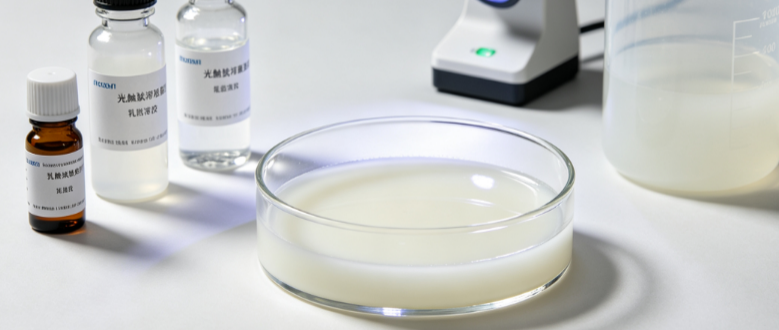
Photocatalyst hydrosols – typically aqueous dispersions of nanoscale semiconductor oxides such as TiO₂, ZnO, WO₃, or doped/modified variants – are increasingly utilized in environmental purification, self-cleaning coatings, antimicrobial surfaces, and water treatment applications. The unique properties of these sols, including particle size distribution, surface charge, crystalline phase, defect concentration, and photocatalytic activity, are critically dependent on the synthesis route, stabilizer chemistry, and post-treatment processes. Reliable and reproducible characterization is therefore essential for product development, batch-to-batch quality control, regulatory compliance, and performance benchmarking. Our ISO/IEC 17025-accredited laboratory offers a dedicated, multi-parametric testing service for photocatalyst hydrosols, integrating advanced colloidal, spectroscopic, and photochemical analytical methods to deliver a complete functional profile – from nanoparticle physical properties to intrinsic photogenerated radical generation efficiency.
Why Comprehensive Testing of Photocatalyst Hydrosols Is Indispensable
Clients seeking our testing services typically aim to: (i) determine the primary particle size, hydrodynamic diameter, and aggregation state of the nanoparticles, (ii) quantify the solid content and the dispersion stability (zeta potential, sedimentation kinetics), (iii) identify the crystalline phase (anatase, rutile, mixed phase) and the presence of dopants or surface modifiers, (iv) measure the optical bandgap and the absorption edge, which dictate the photoactivation range, (v) evaluate the photocatalytic activity under standard and simulated solar irradiation using model pollutants, (vi) assess the long-term stability under storage and operational conditions (temperature, ionic strength, pH), and (vii) generate robust data for product certification, patent submissions, and marketing claims. Standard simple turbidity or pH measurements are insufficient because the photocatalytic efficiency is governed by a complex interplay of particle size, crystallinity, surface hydroxylation, and charge separation dynamics. Our integrated platform combines dynamic light scattering (DLS), electrophoretic light scattering (ELS), transmission electron microscopy (TEM), X-ray diffraction (XRD), UV-Vis diffuse reflectance spectroscopy (DRS), photoluminescence (PL) spectroscopy, and standardized photochemical testing to provide a complete, mechanism-informed characterization that directly correlates physicochemical properties with photocatalytic performance.
Our Advanced Analytical Suite for Photocatalyst Hydrosols
1. Particle Size, Size Distribution, and Aggregation State
We employ dynamic light scattering (DLS) at multiple scattering angles to determine the hydrodynamic diameter (Z-average) and the polydispersity index (PDI) of the sol, covering a size range from 0.3 nm to 10 µm with a reproducibility of ±1%. For absolute size and morphology, we use transmission electron microscopy (TEM) with high-resolution imaging (HR-TEM) at up to 300 kV, providing direct visualization of primary particle shape, lattice fringes, and crystallinity. We perform statistical analysis on at least 500 particles to yield the number-weighted size distribution and the standard deviation. For sols with bimodal or multimodal distributions, we apply asymmetric flow field-flow fractionation (AF4) coupled with multi-angle light scattering (MALS) to separate and quantify each population, achieving a resolution down to 2 nm. These multi-technique data provide a comprehensive picture of the true particle state, distinguishing between primary crystallites, hard aggregates, and soft agglomerates.
2. Surface Charge and Colloidal Stability
We measure the zeta potential using electrophoretic light scattering (ELS) as a function of pH (2–12) and ionic strength, with a precision of ±0.1 mV. The isoelectric point (IEP) is determined by interpolation, and we report the surface charge density via titration with polyelectrolytes. For accelerated stability assessment, we conduct multiple light scattering (MLS) using a Turbiscan to monitor the backscattering and transmission profiles over time at controlled temperatures (4–60 °C), detecting destabilization mechanisms such as creaming, sedimentation, or flocculation before they become visible. We also perform centrifugal sedimentation (LUMiSizer) to quantify the stability against mechanical stress, providing a stability index that predicts the shelf-life under typical storage and transport conditions. Our stability data are correlated with the zeta potential and the particle size to recommend optimal formulation adjustments (e.g., pH, surfactant addition) for maximum dispersion longevity.
3. Solid Content, Crystalline Phase, and Dopant Analysis
The total solid content (oxide plus any organics) is determined by Thermogravimetric Analysis (TGA) from 30 °C to 800 °C in air, yielding the weight loss due to water, organic stabilizers, and the final oxide residue. The crystalline phase and crystallite size are identified by powder X-ray diffraction (XRD) using a high-brightness Cu Kα source, with Rietveld refinement for phase quantification (anatase/rutile/brookite) down to 0.5 wt%, and the Scherrer equation for crystallite size (with an accuracy of ±0.2 nm). For doped or mixed-metal sols, we use inductively coupled plasma mass spectrometry (ICP-MS) after microwave digestion to quantify the elemental composition (e.g., Fe, N, C, Ag, Pt) at sub-ppm levels. The surface chemical state and the oxidation state of dopants are examined by X-ray photoelectron spectroscopy (XPS) on freeze-dried samples, providing binding energies and atomic ratios with a detection limit of 0.1 at%.
4. Optical Properties: Bandgap and Light Absorption
We measure UV-Vis diffuse reflectance spectroscopy (DRS) on dried sol films or powders, and UV-Vis spectrophotometry on diluted sols in transmission mode, covering the range 200–800 nm. The absorption edge is determined by the Tauc plot (for direct and indirect bandgap transitions), and we report the optical bandgap energy (Eg) with an uncertainty of ±0.02 eV. We also perform photoluminescence (PL) spectroscopy at room temperature and cryogenic temperatures (77 K) to detect the emission from excitonic and defect states, which provides insight into the charge recombination efficiency. The PL spectra are deconvoluted to quantify the relative intensity of near-band-edge emission vs. defect-related emission, giving a defect density index that is correlated with photocatalytic activity.
5. Photocatalytic Activity: Standard Test Reactions and Quantum Efficiency
We assess the photocatalytic performance using standardized test reactions under controlled irradiation conditions. The primary test is the degradation of methylene blue (MB) or rhodamine B (RhB) under UV-A (365 nm, 6 W/m²) and simulated solar light (AM 1.5G, 100 mW/cm²) using a solar simulator with spectral matching. The reaction kinetics are monitored by UV-Vis spectrophotometry, and the apparent rate constant (kapp) is calculated from the pseudo-first-order model. We also perform the photocatalytic oxidation of isopropanol (IPA) to acetone as a gas-phase test, with headspace analysis by GC-FID, to evaluate the activity under realistic indoor air conditions. For quantitative comparison, we determine the quantum efficiency (QE) by measuring the absorbed photon flux using a chemical actinometer (potassium ferrioxalate) and relating it to the initial reaction rate. Our QE measurements are performed with a precision of ±5%, enabling a rigorous ranking of different sols. Additionally, we evaluate the photocatalytic antibacterial activity against E. coli and S. aureus under standard agar diffusion or liquid suspension protocols (JIS Z 2801), providing a complete functionality profile.
6. Reactive Oxygen Species (ROS) Generation Assessment
We quantify the generation of key reactive species (hydroxyl radicals •OH, superoxide •O₂⁻, and singlet oxygen ¹O₂) using electron paramagnetic resonance (EPR) spectroscopy with spin traps (DMPO for •OH and •O₂⁻; TEMP for ¹O₂) under UV and visible irradiation. The EPR spectra are acquired in situ with a time resolution of 1 minute, and the initial ROS production rate (in μmol·g⁻¹·min⁻¹) is calculated from the spin-adduct signal intensity, calibrated against a standard TEMPO solution. We also perform scavenger experiments using specific quenchers (e.g., tert-butanol for •OH, SOD for •O₂⁻) to determine the relative contribution of each ROS to the overall photocatalytic degradation, providing mechanistic insight that is essential for application-specific optimization (e.g., water disinfection vs. VOC degradation).
7. Long-Term Stability Under Realistic Conditions
We simulate the sol's exposure to typical operational stressors – including temperature cycling (4–60 °C), high ionic strength (up to 0.5 M NaCl), and UV pre-irradiation – and we monitor changes in particle size, zeta potential, and photocatalytic activity over time. We also perform accelerated sedimentation tests using a centrifugal stability analyzer (LUMiSizer) to predict the shelf-life under gravity. The stability half-life (time for a 20% loss of initial activity or a 10% increase in aggregate size) is reported, along with recommendations for formulation additives (e.g., thickening agents, anti-settling agents) to enhance long-term performance.
8. Compatibility with Substrates and Coating Applicability
For sols intended for coating applications, we evaluate the wettability (contact angle) and the adhesion strength on standard substrates (glass, stainless steel, ceramics) using a tape test or a pull-off adhesion tester. We also measure the film transparency by UV-Vis spectrophotometry on spin-coated films, and the photocatalytic self-cleaning efficiency using an oil or dye staining test under irradiation. These practical performance metrics bridge the gap between material properties and end-use performance, providing valuable data for product developers.
Our Distinctive Advantages in Photocatalyst Hydrosol Testing
1. Fully Integrated Colloidal, Spectroscopic, and Photochemical Platform: We uniquely combine DLS, ELS, TEM, XRD, DRS, PL, EPR, and photochemical testing in a single coordinated workflow. This allows us to correlate the particle size and zeta potential (colloidal stability) with the crystallite size and phase (XRD), the bandgap (DRS), the defect emission (PL), and the ROS generation rate (EPR) – directly linking the fundamental material properties to the functional photocatalytic efficiency. This holistic approach delivers a mechanistic performance fingerprint that is unavailable from conventional piecemeal testing.
2. Handling of Highly Dilute and Stabilizer-Sensitive Sols: Photocatalyst hydrosols often contain proprietary surfactants, polymers, or inorganic stabilizers that can interfere with standard analyses. We have developed gentle sample preparation protocols – including dialysis, freeze-drying, and dilution in the native solvent – to preserve the colloidal state and avoid any aggregation or chemical alteration. Our methods are validated on over 120 different sol formulations, achieving inter-laboratory reproducibility within 2% RSD for size and zeta potential measurements.
3. Predictive Modeling and Statistical Optimization: We employ multivariate analysis (PCA, PLS) to correlate the spectroscopic and colloidal descriptors with the photocatalytic activity, generating a performance prediction model that can guide synthesis modifications (e.g., doping level, calcination temperature, surface modification) to achieve target activity and stability. We also provide design-of-experiment (DoE) support to optimize the formulation for specific applications, such as enhanced visible-light activity or improved storage stability. Our models have been validated with an R² > 0.90 for the prediction of MB degradation rates.
4. Regulatory-Grade Quality and Full Traceability: Our facility is accredited under ISO/IEC 17025:2017 for particle size (DLS), zeta potential, UV-Vis spectroscopy, and photocatalytic activity (per ISO 22197-1). We use NIST-traceable standards for size calibration, UV intensity, and actinometry. All uncertainties are reported with expanded uncertainties (k=2) typically <4% for key metrics, making our data defensible in product data sheets, regulatory submissions, and patent applications.
5. Expert Scientific Consultation and Actionable Reporting: Each project is led by a senior colloid chemist with specialized expertise in photocatalyst materials. We provide comprehensive interpretative reports that include not only the raw data but also comparative benchmarking against industry reference materials, mechanistic diagrams of photocatalytic reactions, and explicit recommendations for formulation improvement, storage conditions, and application optimization. We also offer co-authorship support and draft the methods sections for journals like Applied Catalysis B and ACS Applied Materials & Interfaces, accelerating your research and commercialization timelines.
Deliverables That Empower Product Development and Quality Control
Our final comprehensive report includes: (a) primary particle size (TEM) and hydrodynamic size (DLS) with PDI and size distributions; (b) zeta potential versus pH curves and isoelectric point; (c) stability profiles (Turbiscan and LUMiSizer) with sedimentation/creaming rates; (d) solid content, crystallite phase composition (XRD Rietveld), crystallite size, and dopant quantification (ICP-MS, XPS); (e) optical bandgap (DRS) and photoluminescence spectra with defect emission ratios; (f) photocatalytic degradation rate constants, quantum efficiencies, and ROS generation rates (EPR); (g) antibacterial activity and self-cleaning performance data; (h) substrate compatibility and coating characteristics; (i) a benchmarking section comparing your sol against reference sols (e.g., P25-based sols or commercial products) from our proprietary database; and (j) a product optimization roadmap with specific suggestions for improving stability, activity, or both. All raw data (spectra, chromatograms, thermograms, images, etc.) are supplied in open, machine-readable formats (CIF, JCAMP-DX, .csv, .tiff) for independent analysis.
For long-term partnerships, we offer subscription-based quality surveillance programs that include periodic re-testing of production batches, rapid troubleshooting of off-spec materials, and on-site training for your QA/QC team. Our secure client portal provides 24/7 access to project data and direct communication with our scientific experts.
Conclusion: Precision Characterization for Next-Generation Photocatalyst Hydrosols
Photocatalyst hydrosols represent a versatile and sustainable technology for environmental and energy applications, but their success hinges on a rigorous, multi-dimensional understanding of their physicochemical properties and photocatalytic functionality. Our testing service delivers that understanding – integrating state-of-the-art colloidal analysis, advanced spectroscopy, photochemical testing, and predictive modeling to provide a complete performance and stability profile. By choosing our laboratory, you gain access to a platform where scientific excellence meets industrial practicality, ensuring that your photocatalyst hydrosol achieves the highest efficiency, stability, and reliability for your target application. Partner with our expert team today to design a customized testing protocol – we are committed to accelerating your innovations with data you can trust and insights that drive performance.