Reasons for choosing our testing services
ZHONGXI Testing has obtained inspection qualification certifications from multiple countries and regions worldwide. We possess a senior testing team and advanced testing methods, providing independent, impartial, and professional third-party verification services for global carbon projects.

Internationally recognized authority
Certified by multiple international standards such as CNAS, VCS, and GS, with reports universally applicable worldwide.

Global service capability
Covering 140+ countries and regions, it supports on-site detection and remote verification in multiple languages.

Professional experimental methods
Adopt standard experimental methods to ensure accurate and reliable data.
Advanced In Vitro Efficacy Testing Services: Comprehensive Preclinical Evaluation for Drug Discovery and Development
In vitro efficacy testing constitutes a foundational component of preclinical drug discovery and development, providing mechanistic and quantitative evidence of a candidate compound's biological activity before progression to animal studies and human trials. Unlike simple binding assays, contemporary in vitro efficacy evaluation encompasses a broad spectrum of functional endpoints, including target engagement, signal transduction modulation, cellular phenotypic responses, Cytotoxicity and cytostatic effects, and mechanism-of-action (MoA) elucidation. These assessments inform hit-to-lead progression, lead optimization, structure-activity relationship (SAR) refinement, and candidate selection, while also supporting regulatory submissions through pharmacodynamic (PD) characterization and biomarker qualification. Because in vitro data directly influence go/no-go decisions and substantial research investment, rigorous assay design, validation, and interpretation are paramount.
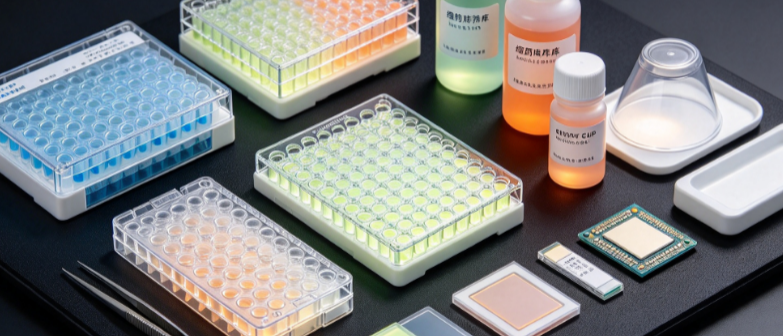
Why Clients Commission In Vitro Efficacy Testing
Clients seek in vitro efficacy testing for several distinct yet interconnected purposes. Hit identification and confirmation requires functional validation of compounds identified through high-throughput screening (HTS), virtual screening, or fragment-based approaches, distinguishing genuine activity from assay artifacts. Lead optimization depends on quantitative potency and selectivity data across structurally related analogs to guide medicinal chemistry efforts toward improved efficacy and reduced off-target liabilities. Mechanism-of-action elucidation demands pathway-level interrogation to confirm on-target engagement, identify downstream effectors, and characterize resistance mechanisms. Selectivity profiling against related targets, kinases, GPCRs, ion channels, and nuclear receptors informs safety assessment and therapeutic index estimation. Combination synergy screening evaluates candidate compounds in combination with standard-of-care agents to identify rational combination strategies and overcome resistance. Biomarker discovery and pharmacodynamic marker qualification supports clinical trial design by identifying measurable analytes that reflect target modulation. Formulation and delivery optimization assesses the impact of solubility enhancers, nanoparticles, prodrug strategies, or targeted delivery systems on cellular efficacy. Finally, regulatory submission support requires in vitro data for Investigational New Drug (IND) and Clinical Trial Application (CTA) filings, including ICH S7A/S7B safety pharmacology and ICH M3(R2) nonclinical evaluation requirements.
Our In Vitro Efficacy Testing Capabilities: From Target Engagement to Phenotypic Profiling
We provide comprehensive in vitro efficacy testing services spanning biochemical assays, cell-based functional assays, phenotypic screening, and mechanistic interrogation. Our analytical portfolio includes, but is not limited to:
Target engagement and binding assays — including surface plasmon resonance (SPR), biolayer interferometry (BLI), isothermal titration calorimetry (ITC), microscale thermophoresis (MST), thermal shift assays (TSA/DSF), and cellular target engagement by NanoBRET or CETSA, enabling determination of Kd, Kon, Koff, and residence time.
Enzymatic activity and inhibition assays — including kinase, protease, phosphatase, polymerase, and epigenetic enzyme assays with determination of IC50, Ki, and mechanism of inhibition (competitive, non-competitive, irreversible) using fluorogenic, luminescent, or mass spectrometry-based readouts.
Receptor signaling and pathway modulation assays — including GPCR activation (cAMP, IP-One, beta-arrestin recruitment), ion channel assays (patch-clamp, flux-based), nuclear receptor transactivation, reporter gene assays (luciferase, SEAP), and second messenger quantification (calcium flux, cAMP, cGMP).
Cellular proliferation and Cytotoxicity assays — including MTT, CCK-8, SRB, resazurin, and ATP-based viability assays, real-time cell analysis (RTCA) for kinetic profiling, colony formation assays, and 3D spheroid and organoid Cytotoxicity models, with determination of IC50, EC50, and Hill slope.
Apoptosis and cell death mechanism assays — including Annexin V/PI flow cytometry, caspase activation assays, PARP cleavage, mitochondrial membrane potential assessment (JC-1, TMRM), DNA fragmentation (TUNEL), and autophagy flux monitoring (LC3B, p62).
Cell cycle and proliferation mechanism assays — including flow cytometric cell cycle analysis, BrdU/EdU incorporation, pHH3 mitotic index, and live-cell imaging of mitosis.
Migration, invasion, and metastasis assays — including scratch wound healing, Transwell migration and invasion, 3D invasion spheroid assays, and adhesion assays.
Angiogenesis and vascular biology assays — including tube formation assays, aortic ring sprouting, endothelial cell migration, and VEGF-induced signaling.
Immune cell functional assays — including T cell activation and proliferation, mixed lymphocyte reaction (MLR), NK cell Cytotoxicity, macrophage polarization, dendritic cell maturation, cytokine release assays, and immune checkpoint blockade functional assays.
Antiviral and antimicrobial efficacy assays — including plaque reduction assays, EC50 determination against viral strains, viral entry and replication inhibition, and MIC/MBC determination against bacterial and fungal pathogens.
Metabolic and mitochondrial function assays — including Seahorse XF extracellular flux analysis (OCR, ECAR), glucose uptake, lipid accumulation, mitochondrial respiration, and glycolysis stress testing.
High-content imaging and phenotypic screening — including multiparametric cellular imaging, organelle-specific staining, protein translocation assays, neurite outgrowth, and 3D spheroid and organoid imaging with AI-driven image analysis.
Our laboratories employ high-throughput screening platforms, automated liquid handling, high-content imaging systems, flow cytometry, SPR/BLI, Seahorse XF analyzers, RTCA, confocal microscopy, and LC-MS/MS for biomarker quantification. These platforms enable quantitative dose-response characterization across broad concentration ranges, with Z-prime factors above 0.5 for screening assays and EC50/IC50 determination with confidence intervals.
Methodological Depth and Analytical Rigor
Our testing protocols are anchored in ISO/IEC 17025-accredited quality management systems and align with FDA, EMA, and ICH guidance for nonclinical laboratory studies. We perform rigorous assay validation evaluating sensitivity, specificity, linearity, precision, accuracy, robustness, and stability for each bioassay. For cell-based assays, we enforce strict Mycoplasma testing, cell line authentication (STR profiling), and passage number control to ensure data integrity. For primary cells and organoids, we document donor characteristics, isolation protocols, and culture conditions to support reproducibility.
Our biochemical assay workflows utilize certified reference compounds and positive and negative controls in every run, with results expressed as relative potency against reference standards where available. For cell-based assays, we include vehicle controls, reference standard controls, and assay window verification to ensure data quality. For high-content imaging, we employ AI-driven image analysis with validated algorithms and multi-parametric profiling to extract maximal biological information from each experiment.
For research applications, we offer custom assay development, mechanism-of-action studies, structure-activity relationship (SAR) investigations, combination synergy screening (Bliss independence, Loewe additivity, ZIP synergy scoring), resistance mechanism characterization, and longitudinal stability monitoring of compound activity under various storage conditions. Our mass spectrometry-based approaches enable metabolite identification, drug exposure quantification, and biomarker validation following in vitro exposure.
Our Competitive Advantages in In Vitro Efficacy Testing
1. Integrated Biochemical and Cell-Based Platforms: We combine target engagement, pathway modulation, and phenotypic readouts, enabling direct correlation of molecular interactions with cellular outcomes and supporting rational candidate selection.
2. Broad Spectrum of Functional Assays: Our portfolio spans oncology, immunology, inflammation, metabolic disease, neuroscience, infectious disease, and cardiovascular biology, providing a systems-level view of compound activity from a single laboratory partner.
3. Ultra-Sensitive and Quantitative Readouts: Our platforms achieve detection limits in the picomolar range for binding assays and picogram-per-milliliter range for cytokine quantification, enabling EC50/IC50 determination with confidence intervals and Z-prime factors above 0.5 for screening campaigns.
4. Mechanistic Depth: Beyond phenomenological activity, we provide receptor-level, pathway-level, and single-cell interrogation, including NanoBRET target engagement, CETSA, phospho-flow, and high-content imaging, enabling identification of mechanism of action and resistance mechanisms.
5. Complex Model Expertise: We have validated methods for challenging models including 3D spheroids, organoids, co-culture systems, primary patient-derived cells, and immune-competent co-cultures, providing greater translational relevance than conventional 2D monolayers.
6. Expert Interpretive Support: Our team includes pharmacologists, cell biologists, immunologists, and medicinal chemists who provide not only analytical data but also contextual interpretation, SAR insights, and guidance on candidate selection and regulatory submissions.
7. Rapid Turnaround and Scalability: Standard turnaround is 5–10 business days for routine assays and 10–15 business days for comprehensive characterization packages, with expedited options available. Automated platforms ensure consistent high-volume capacity without compromising analytical quality.
8. Custom Research and Method Development: For clients with novel targets, specialized models, or unique research objectives, we offer bespoke assay development, validation, and technology transfer services, including high-throughput screening campaigns and preclinical efficacy evaluation.
Applications Across Pharmaceutical, Biotechnology, and Research Settings
Our in vitro efficacy testing services support a diverse range of clients, including pharmaceutical companies, biotechnology startups, contract research organizations, academic investigators, government research laboratories, and regulatory agencies. Whether for hit identification, lead optimization, mechanism-of-action studies, combination screening, biomarker discovery, or regulatory submission support, we deliver data that is analytically rigorous, biologically contextualized, and directly actionable for drug discovery and development decisions.
Conclusion
In vitro efficacy testing represents a critical bridge between molecular discovery and clinical translation. Its value depends not only on analytical sensitivity but also on assay design, biological relevance, and mechanistic depth. With our integrated biochemical and cell-based platforms, comprehensive functional assay portfolio, and deep pharmacological domain knowledge, we empower clients to make informed go/no-go decisions, optimize candidate selection, and advance therapeutic programs with confidence. For in vitro efficacy testing that meets the highest standards of precision and translational relevance, our laboratory is your trusted partner.