Reasons for choosing our testing services
ZHONGXI Testing has obtained inspection qualification certifications from multiple countries and regions worldwide. We possess a senior testing team and advanced testing methods, providing independent, impartial, and professional third-party verification services for global carbon projects.
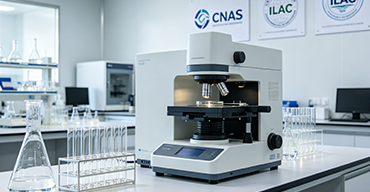
Internationally recognized authority
Certified by multiple international standards such as CNAS, VCS, and GS, with reports universally applicable worldwide.

Global service capability
Covering 140+ countries and regions, it supports on-site detection and remote verification in multiple languages.
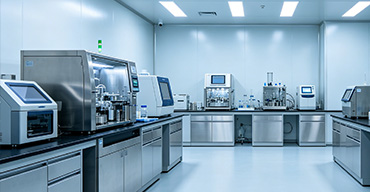
Professional experimental methods
Adopt standard experimental methods to ensure accurate and reliable data.
Professional Propionibacterium freudenreichii Metabolic Activity Testing Service
We understand that you are searching for a metabolic activity test for Propionibacterium freudenreichii because you need to optimise fermentation yields (propionic acid, vitamin B₁₂), evaluate probiotic functionality, or monitor culture health in dairy or industrial bioprocesses. Our specialised comprehensive metabolic profiling service goes far beyond simple growth curves or pH measurements. We provide a multi‑parameter, real‑time assessment of substrate consumption, product formation, energy metabolism, and stress adaptation – all under precisely controlled anaerobic conditions.
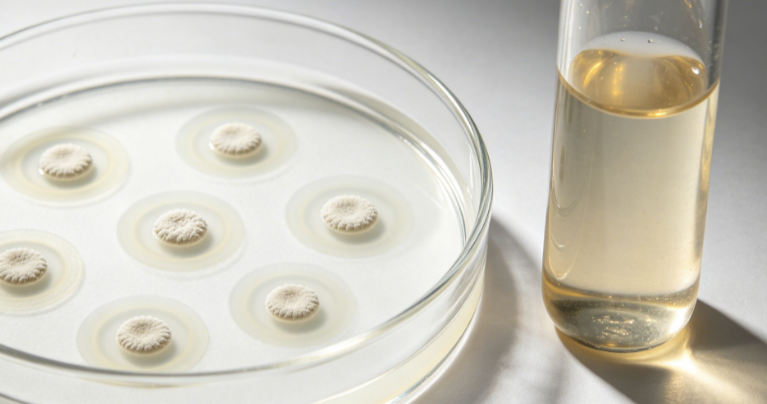
What We Measure – From Basic Activity to Full Metabolic Flux
Our standard metabolic activity panel quantifies: propionic acid and acetic acid production rates (via HPLC-RID), lactate consumption kinetics, CO₂ evolution using micro‑respirometry, and intracellular ATP/ADP ratios. For deeper insight, we measure specific activities of key enzymes (methylmalonyl‑CoA transcarboxylase, transcarboxylase, and CoA‑transferase) in cell‑free extracts. We also perform ¹³C‑labelled substrate tracing (lactate or glucose) followed by GC‑MS or NMR to determine the flux distribution between the Wood‑Werkman cycle and glycolysis. This reveals whether your culture is operating at peak theoretical yields or diverting carbon to biomass or overflow metabolites.
Advanced Capabilities for Demanding Applications
We work with planktonic cultures, biofilms, high‑cell‑density fermentations, and even dairy matrix environments (cheese, fermented milk). Our anaerobic chamber and bioreactors maintain O₂ < 0.5 ppm, controlled pCO₂ and pH. We offer online monitoring of redox potential (ORP) and gas production to capture lag, exponential, and stationary phase activities without sampling artefacts. For vitamin B₁₂ (cobalamin) producers, we measure intracellular and extracellular B₁₂ via microbiological assay or LC-MS/MS and correlate it with activity of precorrin methyltransferases. In probiotic assessments, we quantify survival under simulated gastrointestinal conditions using a dynamic gastric/intestinal model while tracking metabolic activity via intracellular esterase activity (flow cytometry with CFDA).
What You Receive – Actionable Metabolic Performance Data
Your final report includes: specific substrate consumption rates (qₛ, mmol/g DCW/h), specific product formation rates (qₚ), yield coefficients (Yₚ/ₛ), maximum growth rate (μₘₐₓ), lag phase duration, and a complete carbon balance (recovery >95%). For comparative studies (strain screening or process optimisation), we provide statistical confidence intervals (95% CI) and principal component analysis (PCA) of metabolic profiles. We also calculate energetic efficiency (ATP yield per mole substrate) and, if desired, integrate data into a genome‑scale metabolic model (iPF840 or custom) to predict genetic or environmental perturbations.
Our Distinct Advantages in P. freudenreichii Testing
1. Anaerobic expertise: We have dedicated anaerobic workstations and real‑time gas monitoring to preserve strict anaerobic metabolism – a must for this microaerophilic but oxygen‑sensitive bacterium. 2. High throughput screening: Using 96‑well anaerobic microplates with optical sensors for pH, O₂, and CO₂, we can test up to 48 conditions per week (carbon sources, pH, temperature, metal ions). 3. Low detection limits: Our HPLC methods detect propionate down to 0.1 mM and B₁₂ down to 0.05 μg/L – critical for early‑stationary phase cultures. 4. Stress response profiling: We measure heat shock protein expression (by targeted proteomics), trehalose accumulation, and membrane fatty acid composition (GC‑FID) to assess how processing or storage conditions affect metabolic readiness. 5. Regulatory ready: Our data support GRAS notifications, EFSA health claims, and patent applications for probiotic or biopreservative strains.
Why Choose Our Service Over Standard QC Labs
Most routine labs only report final propionate titre or optical density – missing dynamic activity, by‑product profiles, or sublethal stress. We give you the full metabolic movie, not a single snapshot. Our team includes microbiologists specialising in propionibacteria metabolism, and we have worked with dairy, pharma, and bio‑based chemical companies to double fermentation yields and reduce inconsistency. We provide one‑on‑one consultation to interpret results and propose actionable process adjustments (media optimisation, harvest timing, inoculum conditioning). No hidden interpretation fees – just clear, decision‑ready data.
Get Accurate Metabolic Activity Data for Your Propionibacterium freudenreichii Cultures
Whether you aim to maximise propionic acid, boost vitamin B₁₂, validate a probiotic strain, or troubleshoot a sluggish fermentation, our metabolic activity test delivers the depth you need. Contact us today to discuss your strain, growth conditions, and analytical objectives. We offer a free initial consultation and a discounted pilot run for first‑time clients. Let us help you unlock the full metabolic potential of Propionibacterium freudenreichii.