Reasons for choosing our testing services
ZHONGXI Testing has obtained inspection qualification certifications from multiple countries and regions worldwide. We possess a senior testing team and advanced testing methods, providing independent, impartial, and professional third-party verification services for global carbon projects.

Internationally recognized authority
Certified by multiple international standards such as CNAS, VCS, and GS, with reports universally applicable worldwide.

Global service capability
Covering 140+ countries and regions, it supports on-site detection and remote verification in multiple languages.

Professional experimental methods
Adopt standard experimental methods to ensure accurate and reliable data.
Comprehensive Activation and Concentration Assessment of Microalgal Suspensions for Optimized Bioprocess Performance
The industrial and research-scale cultivation of microalgae has witnessed exponential growth, driven by the demand for sustainable biofuels, high-value nutraceuticals (e.g., astaxanthin, omega-3 fatty acids), animal feed, and wastewater bioremediation. A critical yet often overlooked parameter that dictates the success of downstream processing and overall productivity is the physiological activation state of the microalgal culture prior to harvest, as well as the efficiency of concentration achieved during the dewatering step. The term “activated concentrated algal broth” refers to a microalgal suspension that has been physiologically primed—typically through nutrient modulation, light regime adjustment, or chemical elicitation—to enhance cellular metabolism, pigment content, lipid accumulation, or exopolysaccharide production, while simultaneously being concentrated to a high-density slurry (e.g., 100–200 g/L dry weight) via flocculation, centrifugation, or membrane filtration. However, the qualitative and quantitative assessment of such activated concentrated preparations is fraught with challenges, including cell viability loss during concentration, metabolic stress responses, aggregation-induced heterogeneity, and changes in biochemical composition. Our specialized analytical platform offers a complete suite of detection assays that rigorously characterize the physiological, biochemical, and physical properties of activated concentrated algal suspensions, providing clients with the actionable insights needed to standardize their production protocols, maximize yield, and ensure batch-to-batch reproducibility.
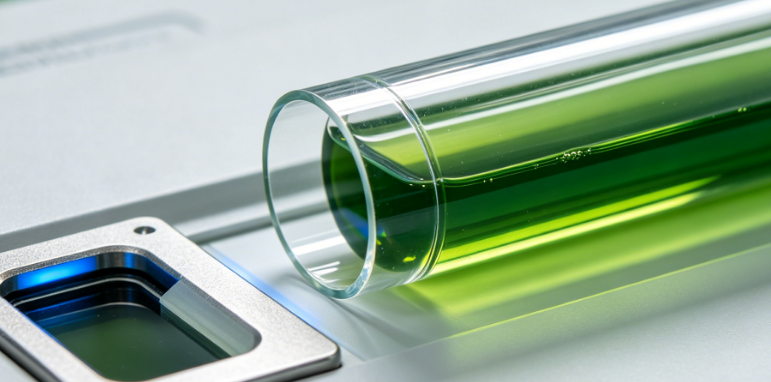
Scientific Drivers for Activation and Concentration Assessment in Microalgal Systems
Clients seeking activation and concentration detection services are typically engaged in optimizing or validating their microalgal production chains for specific end-products. In biofuel production, concentrated activated algae must exhibit high neutral lipid content and robust fatty acid methyl ester (FAME) profiles, while maintaining viability during subsequent transesterification. In nutraceutical manufacturing, the activation step is often designed to stimulate carotenoid or phycobiliprotein accumulation, yet the concentration process may induce oxidative degradation of these sensitive compounds. For aquaculture feed, the activated concentrate must retain high protein digestibility and essential amino acid balance, with minimal toxin or off-flavor generation. In wastewater treatment systems, activated algae are used for nutrient uptake, but over-concentration can lead to oxygen limitation and cell lysis, releasing intracellular organic matter back into the effluent. Our detection service addresses these multifaceted requirements by providing a comprehensive diagnostic package that evaluates cell viability, membrane integrity, photosynthetic efficiency, oxidative stress biomarkers, and key biochemical constituents (lipids, proteins, carbohydrates, pigments, and exopolymers) in both the pre-concentration activated culture and the final concentrated slurry. This enables our clients to pinpoint the optimal activation regime and concentration factor that maximize product quality while minimizing energy consumption and processing costs.
Integrated Analytical Framework for Activated Concentrated Algae Profiling
Our analytical approach is structured as a triphasic workflow that captures the dynamic changes occurring during activation and concentration. The first phase involves real-time, in situ monitoring of photosynthetic parameters using pulse-amplitude-modulated (PAM) fluorometry, providing maximum quantum yield (Fv/Fm), effective quantum yield (ΦPSII), and non-photochemical quenching (NPQ) as sensitive indicators of physiological stress and activation efficiency. These measurements are performed before, during, and after concentration to capture the impact of mechanical and osmotic stresses. The second phase employs a suite of flow cytometric assays with multiple fluorescent probes: SYTOX Green and propidium iodide (PI) for plasma membrane integrity, fluorescein diacetate (FDA) for esterase activity (viability), JC-1 for mitochondrial membrane potential, and DCFH-DA for reactive oxygen species (ROS) accumulation. These single-cell measurements allow us to detect subpopulations of stressed, moribund, or lysed cells that are often masked by bulk biochemical averages. The third phase consists of comprehensive biochemical characterization of the total biomass: total lipid extraction and FAME profiling via GC-FID with internal standards (C17:0 TAG), protein quantification using the Bradford assay with BSA calibration and SDS-PAGE for protein pattern integrity, carbohydrate determination via phenol-sulfuric acid method with glucose standard, and pigment analysis (chlorophyll a, chlorophyll b, total carotenoids, and specific carotenoids like astaxanthin) using high-performance liquid chromatography with photodiode array detection (HPLC-PDA). Additionally, we quantify extracellular polymeric substances (EPS) by gravimetric and colorimetric (carbohydrate and protein content of EPS) methods, as EPS concentration critically affects slurry viscosity, filterability, and downstream processing behavior. All biochemical data are normalized to dry weight and expressed with robust statistical metrics (mean ± SD, n ≥ 3) to ensure reproducibility.
Unparalleled Depth and Precision in Physiological and Biochemical Evaluation
Our platform achieves single-cell resolution with flow cytometric acquisition rates of up to 10,000 events per second, enabling the detection of viability changes as low as 2% between samples, with a coefficient of variation below 3% for fluorescence intensity measurements. For photosynthetic parameters, our PAM instruments provide μs-range resolution and allow automated rapid light curve (RLC) generation, yielding relative electron transport rate (rETR) maxima and light saturation coefficients (Ek) that quantify the activation state of the photosynthetic apparatus. In lipidomics, we employ UHPLC-Q-TOF-MS for detailed glycerolipid and free fatty acid species identification, including the regioisomeric composition of triacylglycerols, achieving mass accuracy below 2 ppm and dynamic range over 4 orders of magnitude. For protein integrity, we perform two-dimensional gel electrophoresis (2-DE) followed by MALDI-TOF/TOF identification of differentially expressed proteins, providing a proteomic fingerprint of the activation response. Furthermore, we have developed a proprietary automated image analysis module that quantifies cell size distribution, circularity, and aggregate formation from brightfield and fluorescence microscopy images, using machine-learning segmentation algorithms trained on over 10,000 annotated microalgal images. This multi-parameter, multi-scale approach ensures that our clients receive a holistic, high-fidelity snapshot of their activated concentrated algae, capturing both population-averaged trends and rare subpopulation events that could impact downstream performance.
Distinctive Advantages of Our Activation and Concentration Algae Assay Service
Our service is distinguished by several key advantages that directly address the pain points of microalgal producers and researchers. First, we offer a customizable assay menu that allows clients to select specific parameters based on their target product—whether lipid for biodiesel, protein for feed, pigment for cosmetics, or EPS for biopolymer applications—while still providing the option for full multi-parametric profiling for exploratory or quality assurance purposes. Second, we have established strain-specific reference databases for over 20 commercially relevant microalgae (including Chlorella vulgaris, Nannochloropsis gaditana, Haematococcus pluvialis, Scenedesmus obliquus, and Phaeodactylum tricornutum), with baseline values for each physiological and biochemical parameter under standard cultivation conditions. This enables rapid identification of deviations and facilitates benchmarking of new activation protocols. Third, our specialized sample handling protocols preserve the integrity of the concentrated slurry during transport: we provide pre-calibrated preservative solutions (e.g., paraformaldehyde for cytometric samples, butylated hydroxytoluene for lipid oxidation protection, and nitrogen-flushed vials for oxygen-sensitive pigments) and conduct all measurements within 48 hours of sample receipt, with real-time temperature monitoring and chain-of-custody documentation. Fourth, we provide kinetic modeling of concentration effects—using pressure-driven filtration and centrifugation simulators—to predict the optimal concentration factor that maximizes biomass density without compromising viability or metabolic activity, based on our experimental data of stress markers versus concentration time curves. Fifth, our reporting integrates multivariate statistics (PCA, heatmap clustering, and canonical correlation analysis) to reveal hidden correlations between activation conditions, concentration protocols, and final product quality, enabling clients to make data-driven decisions on process improvement. Sixth, we maintain ISO 9001 and ISO/IEC 17025 accreditations, with all instruments calibrated against certified reference materials (e.g., NIST chlorophyll a standard, fatty acid methyl ester mix), ensuring traceability and international acceptance of our data.
Data Interpretation and Process Optimization Guidance
We understand that the value of analytical data lies in its translation into actionable process improvements. Therefore, our final report includes not only raw data and statistical summaries, but also interpretative commentaries that contextualize each measured parameter in relation to typical ranges reported in literature and our proprietary database. We provide stress index scores that combine ROS levels, membrane integrity loss, and photosynthetic depression into a single quantitative metric, categorized into green (optimal), yellow (moderate stress), and red (critical stress) zones, guiding clients on whether their activation/concentration protocol requires adjustment. For clients with time-series samples, we perform trend analysis and change-point detection to identify the precise point during concentration when viability or pigment content begins to decline precipitously, allowing them to set a maximum allowable concentration time. In cases where clients are testing novel activation strategies (e.g., phytohormone addition, nitrogen starvation, high-light stress), we conduct comparative dose-response modeling using four-parameter logistic (4PL) curves to compute EC50 (optimal activation concentration) and therapeutic windows, ensuring that activation enhances productivity without inducing excessive oxidative damage. We also offer consultation sessions where our process engineers and algal physiologists discuss the results and suggest specific modifications to mixing, aeration, light intensity, or harvesting parameters to improve the final concentrate quality. This consultative approach transforms our service from a mere testing facility into a strategic partner for process development and scale-up.
Applications in Research, Production, and Regulatory Compliance
The utility of our activation-concentration assay extends across the full spectrum of microalgal stakeholders. In academic research, our service provides the rigorous physiological and biochemical data required for mechanistic studies of stress tolerance, metabolic regulation, and the role of EPS in flocculation. In commercial production facilities, our periodic testing serves as a quality control tool for every harvest batch, enabling early detection of contamination, nutrient depletion, or equipment malfunction before they affect the final product. In bioprocess engineering groups, our kinetic data underpin the design of advanced harvesting systems, such as membrane bioreactors and electro-coagulation units, by providing the necessary input parameters for computational fluid dynamics (CFD) and population balance models. In the nutraceutical and cosmetics industries, our detailed pigment and fatty acid profiles are used to substantiate product label claims (e.g., “high astaxanthin content”) and to ensure the stability of the concentrate during storage and transport. In wastewater treatment plants, our assays monitor the health of the algal-bacterial consortium and the efficiency of nutrient removal, providing early warning signs of system imbalance. In regulatory submissions for novel algal-based food or feed ingredients, our comprehensive chemical characterization data (including heavy metal analysis and mycotoxin screening) facilitate the safety assessment required by EFSA and FDA. By catering to such diverse applications, we have built a robust service portfolio that adapts to the evolving needs of the global algae industry.
Commitment to Technological Advancement and Client-Centric Excellence
We are deeply invested in staying at the forefront of microalgal analytics. Our R&D pipeline currently focuses on Raman spectroscopy for non-invasive, real-time monitoring of lipid unsaturation and carotenoid content in concentrated slurries, eliminating the need for destructive sampling. We are also developing microfluidic-based viability assays that require only 10 µL of sample and deliver results in under 10 minutes, enabling on-site quality control at the harvesting facility. Our collaborative partnerships with leading algal biotechnology centers ensure that our methods are continuously cross-validated against emerging international standards. We provide flexible service contracts—from single-sample analyses to long-term monitoring programs with weekly sample collection and priority reporting—designed to meet the budgetary and logistical constraints of each client. Our global logistics partners guarantee that samples from any continent are processed within 72 hours of collection, with full documentation of shipment conditions. Ultimately, our success is measured by the success of our clients: whether they achieve higher yields, lower production costs, faster time-to-market, or breakthrough scientific discoveries, we are committed to providing the analytical foundation that makes it possible.
In summary, our activated concentrated algae detection service offers a comprehensive, scientifically rigorous, and practically oriented solution for the full characterization of microalgal physiological state and concentrated biomass quality. By integrating cutting-edge instrumentation, specialized protocols, deep mechanistic interpretation, and actionable process guidance, we empower our clients to optimize their cultivation and harvesting strategies, ensuring the consistent production of high-quality algal biomass for any intended application. We invite you to partner with us to achieve new levels of efficiency and product excellence in your microalgal operations.