Reasons for choosing our testing services
ZHONGXI Testing has obtained inspection qualification certifications from multiple countries and regions worldwide. We possess a senior testing team and advanced testing methods, providing independent, impartial, and professional third-party verification services for global carbon projects.
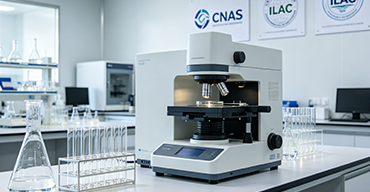
Internationally recognized authority
Certified by multiple international standards such as CNAS, VCS, and GS, with reports universally applicable worldwide.

Global service capability
Covering 140+ countries and regions, it supports on-site detection and remote verification in multiple languages.
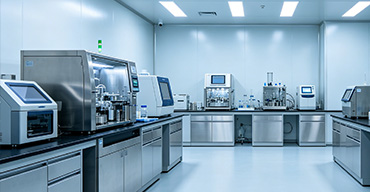
Professional experimental methods
Adopt standard experimental methods to ensure accurate and reliable data.
Comprehensive Lipid and Fiber Characterization of Oleaginous Filamentous Microalgae for Bioenergy, Feed, and Biorefinery Applications
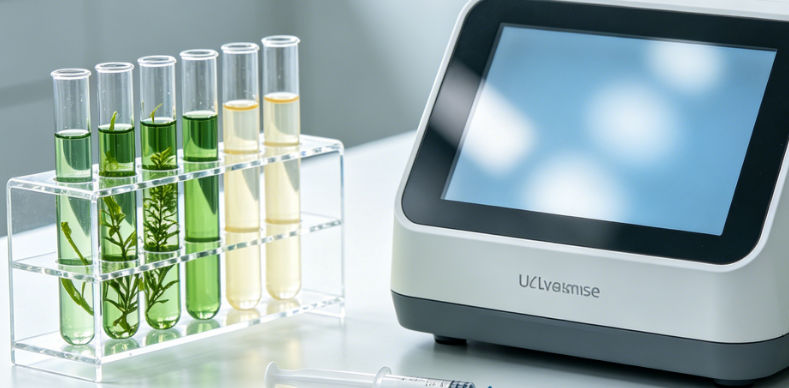
Oleaginous filamentous microalgae—comprising genera such as Tribonema, Cladophora, Spirogyra, and certain Chlorococcum strains—have attracted substantial interest due to their unique combination of high intracellular lipid accumulation (often exceeding 40–60% dry weight under nutrient stress) and a robust fibrous cell wall structure rich in cellulose, hemicellulose, and alginate-like polymers. This dual attribute makes them ideal candidates for integrated biorefineries that co-produce biofuels (biodiesel, green diesel), animal feed ingredients, and high-value biopolymers. However, the accurate and reproducible analysis of such complex biomass presents significant analytical challenges: the rigid, recalcitrant cell wall hampers efficient lipid extraction; the co-existence of neutral and polar lipids with varying degrees of unsaturation demands comprehensive chromatographic resolution; the fibrous matrix interferes with conventional gravimetric and spectroscopic methods; and the biochemical composition (protein, carbohydrate, lignin, ash) must be simultaneously quantified to evaluate full biorefinery potential. Our specialized detection platform has been meticulously designed to overcome these obstacles, delivering a fully integrated, validated suite of assays for the comprehensive characterization of lipid classes, fatty acid profiles, fiber composition, and minor bioactive components in oleaginous filamentous algae. Whether the client's goal is strain screening, cultivation optimization, process development, or product quality assurance, our service provides the depth, accuracy, and interpretive insight required to unlock the full commercial and scientific value of these remarkable organisms.
Scientific and Industrial Drivers for Lipid-Fiber Algae Analysis
Clients seeking analytical services for oleaginous filamentous algae are driven by a diverse array of strategic objectives. In biofuels R&D, the primary focus is on quantifying total neutral lipids (principally triacylglycerols, TAGs) and determining the fatty acid profile—especially the ratios of C16:0, C18:1, C18:2, and C18:3—which directly influence biodiesel quality parameters (cetane number, oxidative stability, cold flow properties). Additionally, the content and composition of structural fibers (cellulose, hemicellulose, and lignin) are critical for assessing the potential of the residual biomass for anaerobic digestion, bioethanol production, or direct combustion. In animal feed and aquaculture, the protein content and amino acid profile, along with the digestibility of the fiber fraction, determine the nutritional value and palatability of the algal meal. In bioplastics and biomaterials, the fiber properties (degree of polymerization, crystallinity, and mechanical strength) are key parameters for evaluating the suitability of the cell wall polysaccharides as reinforcement agents or film-forming materials. In process optimization, detailed time-course analyses are essential to correlate nutrient depletion, light regime, and stress induction with the accumulation of both lipids and fibers, enabling the design of efficient two-stage cultivation strategies. Our service addresses these multifaceted requirements through a modular analytical framework that can be tailored to prioritize lipid quantitation, fiber characterization, or complete mass balance closure, all while maintaining the highest standards of data quality and traceability.
Integrated Analytical Pipeline for Holistic Lipid-Fiber Profiling
Our analytical workflow is built around five complementary modules that together provide a complete biochemical and biophysical picture of the filamentous algal biomass. The Sample Preparation and Fractionation Module starts with freeze-drying and cryogenic milling to achieve a homogeneous powder (particle size < 100 µm) while preserving labile lipid species. We then perform a sequential extraction protocol: first, a mild Folch extraction (chloroform:methanol 2:1, v/v) with butylated hydroxytoluene (BHT) as antioxidant to recover the free and loosely bound lipids, followed by an acid-hydrolysis assisted extraction (using 2 M HCl at 85°C for 1 hour) to release the fiber-bound lipids, ensuring near-quantitative recovery (>95% of total fatty acids). The Lipid Quantification Module employs gravimetric determination of total extracted lipids, followed by thin-layer chromatography with flame ionization detection (TLC-FID) (Iatroscan) to separate and quantify neutral lipids (TAGs, free fatty acids, sterols), glycolipids, and phospholipids, achieving detection limits of 0.5 µg per spot and reproducibility of ≤ 3% RSD. For detailed fatty acid profiling, we use base-catalyzed transesterification (0.5 M KOH in methanol) of the total lipid extract, followed by GC-FID on a 120-m highly polar column that resolves all C12–C24 fatty acids, including the separation of critical isomers (e.g., C18:1n-9 vs. C18:1n-7), with quantification using tricosanoic acid (C23:0) as internal standard, achieving an LOQ of 0.1 mg/g dry weight for individual FAMEs. The Fiber Composition Module determines neutral detergent fiber (NDF), acid detergent fiber (ADF), and acid detergent lignin (ADL) using the ANKOM filter bag technique, followed by monosaccharide analysis via high-performance anion-exchange chromatography with pulsed amperometric detection (HPAEC-PAD) after two-step acid hydrolysis (H2SO4 72% then 4%), providing quantitative data for glucose, xylose, galactose, arabinose, mannose, and uronic acids. For cellulose crystallinity, we apply X-ray diffraction (XRD) with Rietveld refinement to calculate the crystallinity index (CrI) and crystallite size, which directly correlate with enzymatic digestibility. The Proximate and Elemental Module covers moisture, ash, crude protein (Kjeldahl, N×6.25), and crude fiber per AOAC standards, and ICP-MS for trace metals (Ca, Mg, Fe, Zn, Cu, Mn) that influence both algal metabolism and downstream catalyst performance. The Advanced Bioactivity Module optionally includes total phenolic content (Folin-Ciocalteu), antioxidant capacity (DPPH, FRAP), and β-glucan assay (aniline blue method), which are relevant for functional food and immunostimulant applications. All modules are integrated through our laboratory information management system (LIMS) that ensures complete sample traceability and automated quality checks.
Unparalleled Analytical Depth, Resolution, and Sensitivity
Our platform consistently delivers analytical performance that exceeds the requirements of most research and industrial applications. For total lipid determination, our combined extraction protocol achieves recoveries of 98–103% for spiked standards (triolein, cholesteryl palmitate) and provides inter-laboratory reproducibility within ±2.5% as verified through round-robin testing. In fatty acid analysis, our GC-FID method resolves over 35 individual fatty acids, including the determination of double bond positions via GC-EI-MS of picolinyl derivatives when required, and we offer sn-2 positional distribution in TAGs via pancreatic lipase hydrolysis, which is critical for understanding the nutritional and oxidative properties of the oil. For fiber analysis, our HPAEC-PAD method provides quantification of individual monosaccharides with an LOQ of 0.1 mg/g and a linear range over three orders of magnitude, enabling the detection of subtle changes in cell wall composition under different cultivation conditions. Our XRD system operates at 0.02° step size and uses a Rietveld-based approach to determine cellulose CrI with standard uncertainty of ±1.5%, while our automated fiber analyzer can process up to 48 samples per batch, significantly reducing analytical costs for high-throughput screening. Additionally, we employ Thermogravimetric Analysis (TGA) to profile the thermal degradation of biomass components (hemicellulose, cellulose, lignin, and lipids) with temperature resolution of 0.1°C, providing data that are directly useful for pyrolysis and combustion modeling. For clients requiring a deeper understanding of fiber ultrastructure, we offer scanning electron microscopy (SEM) coupled with energy-dispersive X-ray spectroscopy (EDS) to visualize the filamentous network and map elemental distributions, as well as dynamic mechanical analysis (DMA) of pressed fiber mats to assess stiffness and damping properties. This comprehensive, multi-technique approach ensures that no critical parameter is overlooked and that clients receive a truly multidimensional characterization of their biomass.
Distinctive Advantages of Our Oleaginous Filamentous Algae Assay Service
Our service offers several unique competitive advantages that translate directly into superior outcomes for our clients. First, we have developed species-specific method adaptations for the most commonly cultivated filamentous strains, including optimized hydrolysis times, solvent-to-solid ratios, and derivatization conditions that account for variations in cell wall thickness and fiber crosslinking—a level of customization that generic testing laboratories cannot provide. Second, we maintain a comprehensive in-house reference material library containing over 30 certified standards and well-characterized algal biomass samples, which we use for daily quality control and inter-batch calibration, ensuring that our analytical drift is continuously monitored and corrected. Third, we offer a flexible "core + optional" service model, allowing clients to begin with a standard package (total lipids, FAMEs, protein, ash, moisture, and fiber fractions) and later add advanced modules (e.g., lipidomics, crystallinity, elemental mapping, antioxidant assays) as their project evolves, without the need to resubmit samples. Fourth, our rapid screening platform based on Fourier-transform infrared (FTIR) spectroscopy with partial least squares (PLS) models provides real-time predictions of total lipids and total fiber content with an accuracy of ±5% relative to reference methods, enabling clients to triage hundreds of culture conditions or mutants in a single day before committing to full-scale confirmatory analysis. Fifth, we provide techno-economic integration by converting analytical data into biorefinery performance indices—such as the theoretical biodiesel yield (L per tonne biomass), ethanol yield from cellulose, and methane potential from residual fiber—using our internally validated stoichiometric models, giving clients a direct link between molecular composition and process economics. Sixth, all our methods are fully compliant with ISO, ASTM, and AOAC standards, and we provide comprehensive validation reports including measurement uncertainty budgets, which are essential for clients submitting data to regulatory agencies, patent offices, or high-impact journals. Our commitment to traceability is further demonstrated by our participation in international proficiency testing schemes (e.g., FAPAS Algal Oil Series, AOCS Check Sample Program) where we consistently achieve z-scores within ±1.0.
Advanced Data Integration, Modeling, and Interpretive Support
We recognize that the ultimate value of analytical data lies in its ability to inform strategic decisions. Therefore, our reporting goes beyond the presentation of numerical results to include multi-level interpretation and modeling. For each sample, we provide a compositional triangle diagram (lipids, proteins, carbohydrates+fibers) that visualizes the biomass's partitioning and enables quick comparison across treatments. We perform principal component analysis (PCA) and hierarchical cluster analysis (HCA) on the full dataset to reveal natural groupings and identify the most discriminant parameters—for example, whether changes in lipid productivity are driven by increased TAG synthesis or by a reduction in fiber content. For clients with time-series or dose-response experiments, we apply response surface methodology (RSM) to model the combined effects of temperature, light, and nitrogen concentration on both lipid and fiber accumulation, providing optimization surface plots and desirability functions that pinpoint the harvest conditions that maximize the desired product while maintaining fiber integrity. We also offer kinetic modeling of lipid accumulation and fiber degradation using first-order and logistic equations, yielding parameters (rate constants, lag phases, asymptotes) that are invaluable for bioreactor scale-up and fed-batch control. Furthermore, our scientists prepare a narrative interpretation that links the analytical results to the client's specific application—for instance, explaining how a higher cellulose crystallinity may reduce enzymatic digestibility and suggesting potential pretreatment strategies, or how a particular fatty acid profile may improve biodiesel oxidation stability. For collaborative projects, we hold virtual review meetings to walk clients through the data, answer questions, and refine subsequent analytical plans, ensuring that our service acts as a true research partnership.
Broad Applications Across Strain Selection, Cultivation, Harvesting, and Product Development
The versatility of our lipid-fiber algae detection service makes it applicable across the entire development and production pipeline. In strain isolation and screening, our high-throughput FTIR screening combined with targeted GC-FID verification enables rapid identification of high-lipid, low-fiber or high-fiber, functional strains from large environmental or mutagenized libraries. In cultivation optimization, our time-course profiling (every 48–72 hours) helps researchers pinpoint the optimal harvest window for both lipid and fiber yields, reducing the risk of over-accumulation of recalcitrant fibers that complicate downstream processing. In harvesting and dewatering, our fiber analysis quantifies changes in flocculation behavior and filterability, guiding the selection of the most efficient concentration method. In bioprocess scale-up, our complete mass balance data (including gas composition, nutrient uptake, and biomass composition) serve as the foundation for rigorous material and energy balance calculations. In product formulation, our detailed fatty acid and fiber profiles provide the precise input data needed for animal feed diet formulation, bioplastics compounding, or bioadhesive development. We also cater to environmental applications where filamentous algae are used for wastewater treatment, providing data on nutrient content and the potential for pollutant sorption onto the fibrous cell wall. By offering a standardized yet adaptable analytical framework, we ensure that our clients can seamlessly integrate our data into their existing workflows, whether they are in early-stage research, pilot-scale demonstration, or full commercial production.
Commitment to Innovation, Quality, and Client Success
We are dedicated to maintaining our position as the leading provider of analytical services for oleaginous filamentous algae through continuous technological advancement and a steadfast focus on client satisfaction. Our current R&D initiatives include the development of in-situ Raman spectroscopy probes for real-time monitoring of lipid unsaturation and fiber conformation during fermentation, and the implementation of hyperspectral imaging for non-destructive, spatial mapping of lipid and fiber distribution within single filaments. We also actively participate in consortia aimed at establishing standardized reference methods for algal biomass analysis, contributing our extensive experience to the development of international protocols. Our quality management system is certified under ISO 9001 and ISO/IEC 17025, and we undergo annual external audits to maintain these accreditations. We offer flexible pricing and turnaround options: routine panels are delivered within 5 business days, comprehensive multi-module packages within 10 days, and expedited (48-hour) services for urgent process troubleshooting. Our global sample intake system handles shipments from any location, with detailed instructions for sample preservation (freeze-drying, nitrogen flushing, or cold chain) to ensure integrity during transit. With a dedicated team of Ph.D. analytical chemists, algal physiologists, and bioprocess engineers, we provide not just data, but the expert guidance needed to interpret and apply that data effectively. We see each client engagement as a collaborative journey, and we are committed to contributing to the success of your research, development, and commercial ventures in the exciting field of filamentous algal biorefining.
In summary, our oleaginous filamentous algae lipid-fiber detection service delivers a comprehensive, precise, and application-oriented analytical solution that covers every critical parameter from total lipids and fatty acid profile to fiber composition and structural properties. By integrating advanced instrumentation, species-optimized protocols, deep interpretive analytics, and a collaborative client partnership, we empower our clients to unlock the full potential of these remarkable algae for sustainable bioenergy, feed, and biomaterials. We invite you to partner with us to optimize your algae-based bioprocesses and to achieve your sustainability and profitability goals with confidence.