Reasons for choosing our testing services
ZHONGXI Testing has obtained inspection qualification certifications from multiple countries and regions worldwide. We possess a senior testing team and advanced testing methods, providing independent, impartial, and professional third-party verification services for global carbon projects.
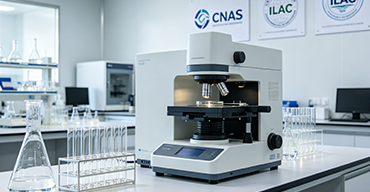
Internationally recognized authority
Certified by multiple international standards such as CNAS, VCS, and GS, with reports universally applicable worldwide.

Global service capability
Covering 140+ countries and regions, it supports on-site detection and remote verification in multiple languages.
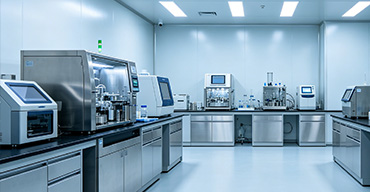
Professional experimental methods
Adopt standard experimental methods to ensure accurate and reliable data.
Comprehensive Plant Potassium Uptake Efficiency Testing Service for Precision Agriculture, Crop Breeding, and Nutritional Research
Potassium (K) is an essential macronutrient that regulates numerous physiological processes in plants, including enzyme activation, osmoregulation, stomatal movement, and assimilate transport. Potassium uptake efficiency (KUE) is a critical trait determining crop productivity, stress tolerance, and resource-use efficiency, especially under limited soil K availability. Accurate and robust assessment of KUE is indispensable for screening germplasm, evaluating fertilization strategies, and understanding molecular mechanisms of K transport and homeostasis. However, KUE is a complex trait influenced by root architecture, transporter kinetics, soil physicochemical properties, and plant nutritional status, demanding a multi-faceted analytical approach. Our specialized detection platform offers a comprehensive suite of high-sensitivity, high-throughput assays that integrate stable isotope tracing, ionomics profiling, root morphology quantification, transporter gene expression analysis, and physiological flux measurements, delivering unparalleled precision and mechanistic insight. Whether the client is a plant breeder, a fertiliser company, an agronomic research institute, or an environmental consultant, our service provides the actionable data required to optimise potassium management, enhance crop quality, and promote sustainable agriculture.
Scientific and Agronomic Rationale for Potassium Uptake Efficiency Testing
Clients seeking KUE detection services are motivated by diverse strategic goals. In crop breeding and germplasm screening, the primary objective is to identify genotypes with high KUE for use in low-input farming systems or for breeding programmes aimed at reducing fertiliser dependence. In fertiliser formulation and recommendation, assessing KUE under different soil conditions helps to fine-tune application rates, improve nutrient-use efficiency, and minimise environmental losses. In functional genomics and root biology, detailed kinetic analysis of K+ uptake (Vmax, Km) and translocation enables the discovery of key transporters and regulatory pathways. In environmental stress research, KUE monitoring under drought, salinity, or acidity reveals mechanisms of tolerance. In precision agriculture, rapid and spatially explicit KUE assessment supports variable-rate fertilisation and real-time crop management. Our service is architected to address these needs through a modular, fully validated analytical framework that adapts to diverse plant species, growth stages, and experimental designs.
Integrated Analytical Pipeline for Holistic Potassium Uptake Efficiency Profiling
Our analytical platform comprises five interconnected modules that collectively deliver a comprehensive KUE characterisation. The Isotopic Tracing Module employs stable isotope 41K (or 43K) labelling in hydroponic or soil systems, followed by inductively coupled plasma mass spectrometry (ICP-MS) to quantify the uptake and distribution of the isotope. We provide absolute uptake rates (µmol K·g−1 root DW·h−1) and contribution of newly acquired K to total plant K, with detection limits in the low ppb range and precision within ±2% RSD. The Ionomics Module uses ICP-OES and ICP-MS to measure total K and other macro/micronutrients in tissues, enabling the calculation of K utilisation efficiency (KUtE) and K harvest index. We provide multi-element profiles to assess nutrient interactions and stoichiometric balance. The Root Architecture and Kinetics Module combines high-resolution phenotyping (flatbed scanners, RhizoTron, or X-ray CT) to quantify root length, surface area, and branching, and novel microelectrode ion flux estimation (MIFE) or non-invasive micro-test technology (NMT) to measure net K+ fluxes at specific root zones with spatial resolution down to 50 µm and temporal resolution of seconds. This allows calculation of Michaelis-Menten uptake kinetics and high-affinity/low-affinity transport contributions. The Molecular Module employs quantitative real-time PCR (qPCR) and RT-qPCR arrays to quantify the expression of key K+ transporters (e.g., AKT1, KUP/HAK/KT, HAK5, and SKOR) and channels, with LOQs as low as 10 copies per reaction and normalisation to multiple housekeeping genes. For high-throughput, we also offer RNA sequencing for transcriptome-wide analysis of K-responsive genes. The Physiological Module measures chlorophyll fluorescence, leaf water potential, and osmolality to link KUE to photosynthetic performance and water relations. We integrate all data using multivariate statistical tools (PCA, PLS-DA) and machine learning models to identify the most discriminative parameters and predict KUE under untested conditions. All modules are validated with reference genotypes of known KUE (e.g., Arabidopsis T-DNA mutants or rice NILs) and include strict quality controls for sample handling, instrument performance, and data normalisation.
Unmatched Sensitivity, Specificity, and Mechanistic Resolution
Our platform consistently delivers superior analytical performance. The isotopic labelling allows the distinction between newly absorbed K and endogenous K pools, enabling the calculation of net K uptake independent of initial tissue concentrations, which is critical for short-term uptake studies. Our ICP-MS methods achieve method detection limits (MDL) of 0.01 mg K/kg dry weight with linearity spanning five orders of magnitude. For root flux measurements, our MIFE/NMT systems provide ion flux resolution as low as 1 pmol·cm−2·s−1, and we can map fluxes along the root axis with precision within ±5%. In molecular analysis, our qPCR assays are optimised to detect low-abundance transporters with amplification efficiencies of 95–105% and specificity confirmed by melting curve and gel electrophoresis. We also perform high-resolution microscopy (confocal and TEM) with K-specific stains (e.g., sodium cobaltinitrite or energy-dispersive X-ray mapping) to visualise K distribution at cellular and subcellular levels. Furthermore, we offer stable isotope labelling of K in combination with GC-MS or LC-MS to track K's role in metabolic pathways (e.g., phloem loading, vacuolar sequestration). Our integrated data analysis allows the construction of flux balance models that quantify the relative contributions of uptake, translocation, and remobilization to overall KUE, providing a system-level understanding that is rarely available from single-parameter assays.
Distinctive Advantages of Our Potassium Uptake Efficiency Testing Service
Our service provides several unique benefits that directly address client needs. First, we offer species- and matrix-specific protocols that have been validated for major crops (rice, wheat, maize, soybean, potato, tomato), model plants (Arabidopsis), and tree species (e.g., citrus, eucalyptus), with adaptations for soil, hydroponic, and aeroponic systems. Second, we maintain a comprehensive reference database that includes KUE values, kinetic parameters, and transporter expression profiles for over 200 genotypes, enabling rapid benchmarking and prioritization of candidate lines. Third, we provide a rapid high-throughput screening service using a microplate-based colorimetric assay (e.g., dipicrylamine or sodium tetraphenylboron) that estimates K concentration in small tissue samples (< 5 mg), delivering semi-quantitative KUE rankings within 4 hours—ideal for early-stage breeding or mutant screening. Fourth, our customised stress simulation studies allow clients to evaluate KUE under simulated drought, salinity, or aluminium toxicity, using our controlled environment chambers and automated irrigation systems, providing data that closely mimic field conditions. Fifth, we offer integrated modelling that combines KUE data with soil parameters (e.g., exchangeable K, texture, pH) to generate site-specific fertiliser recommendations or predicted yield responses. Sixth, all our methods comply with ISO 17025 and OECD guidelines, and we provide full validation documentation including specificity, linearity, accuracy, precision, LOD, LOQ, and robustness, along with clear SOPs that are ready for internal or external audits. Our team of plant physiologists, soil scientists, and biostatisticians provides consultative interpretation, helping clients to understand the biological significance of kinetic parameters, to identify potential bottlenecks (e.g., low root surface area, defective transporter), and to design targeted intervention strategies.
Advanced Data Integration, Predictive Modelling, and Reporting
Our reporting transforms analytical data into actionable agronomic and genetic insights. We deliver a comprehensive report that includes: (i) an executive summary with a KUE score or index, along with key contributing parameters (uptake rate, transporter expression, root traits) displayed in a radar chart; (ii) a detailed analytical section with raw data, calibration curves, flux profiles, and expression levels; (iii) a statistical comparison of tested genotypes or treatments, with ANOVA, post-hoc tests, and effect size calculations; and (iv) an interpretive section that discusses the limiting factors and suggests strategies for improvement—for example, recommending breeding for higher root surface area, or proposing split‑application of K to synchronise with peak uptake periods. For field trials, we provide geospatial mapping of KUE variability and disease or stress overlay to aid precision management. We also offer predictive models that forecast KUE based on early-stage root parameters or transcript levels, reducing the time and cost of phenotyping. All raw data files (e.g., .csv, .raw, .cdf) are provided for client verification and re-analysis.
Broad Applications Across Breeding, Nutrition, and Environmental Research
The versatility of our KUE testing service spans the entire value chain from fundamental research to applied agriculture. In plant breeding programs, our high-throughput screening accelerates the selection of K-efficient lines for low‑input systems. In fertiliser and biostimulant development, our detailed KUE assessments validate product efficacy and provide mechanistic evidence for marketing claims. In precision farming, our spatial KUE mapping supports variable-rate fertilisation, reducing costs and environmental impact. In soil and environmental science, our assays help quantify the impact of soil management practices on K bioavailability. In climate change research, our stress-specific KUE measurements reveal how rising CO₂ or temperature may affect crop K nutrition. In functional genomics, our integrated phenotyping and transcriptomics data enable the identification of causal genes and regulatory networks. Our ability to tailor the analytical package to the client's specific crop, growth system, and research question ensures that we serve both smallholder breeding programs and multinational agribusinesses.
Commitment to Innovation, Quality, and Client Partnership
We are dedicated to advancing KUE analytics through continuous methodological innovation. Our current R&D includes the development of in vivo K+ imaging sensors using genetically encoded Förster resonance energy transfer (FRET)-based reporters, and the application of hyperspectral imaging to non-destructively estimate plant K status in the field. We actively participate in international proficiency testing for plant analysis and contribute to the development of standard reference materials for KUE assessment. Our quality system is ISO 17025 and ISO 9001 certified, and we follow GLP for all studies. We offer flexible service models—from single‑sample analysis to multi‑year collaborative projects with dedicated project managers, volume discounts, and priority scheduling. Our global logistics provide specialised shipping kits (e.g., with coolants, RNAlater, and drying agents) to preserve sample integrity. Turnaround times range from 3 business days for rapid colorimetric screening to 15 business days for comprehensive isotope and kinetic profiling. We maintain transparent communication, providing regular updates and expert guidance throughout the project. Our success is measured by our clients' ability to improve crop productivity, reduce fertiliser input, and publish high-impact research. We invite you to partner with us to optimise potassium management and advance sustainable agriculture with our specialised analytical capabilities.
In summary, our plant potassium uptake efficiency testing service delivers a comprehensive, precise, and mechanistically insightful analytical solution that integrates stable isotope tracing, ionomics, root phenotyping, transporter expression, and physiological flux measurements. By providing deep, multi-parametric data and expert interpretation, we empower our clients to enhance breeding programmes, refine fertilisation strategies, and understand the fundamental biology of K nutrition. We look forward to supporting your research and agronomic operations with our state‑of‑the‑art analytical platform.