Reasons for choosing our testing services
ZHONGXI Testing has obtained inspection qualification certifications from multiple countries and regions worldwide. We possess a senior testing team and advanced testing methods, providing independent, impartial, and professional third-party verification services for global carbon projects.
Internationally recognized authority
Certified by multiple international standards such as CNAS, VCS, and GS, with reports universally applicable worldwide.

Global service capability
Covering 140+ countries and regions, it supports on-site detection and remote verification in multiple languages.

Professional experimental methods
Adopt standard experimental methods to ensure accurate and reliable data.
Preclinical Vaginal Mucosal Irritation Testing – Comprehensive In Vivo and Ex Vivo Assessment for Medical Devices and Pharmaceuticals
Vaginal mucosal irritation testing is a critical preclinical safety evaluation required for any product intended for intravaginal application, including drug formulations, contraceptive devices, vaginal rings, tampons, menstrual cups, lubricants, spermicides, and biomaterials for tissue engineering. The vaginal epithelium, being a non-keratinized stratified squamous mucosa with a unique immunological microenvironment and a dense vascular bed, exhibits distinct sensitivity to chemical, mechanical, and microbiological insults. Regulatory agencies worldwide, including the FDA, EMA, and NMPA, mandate robust irritation studies following international standards such as ISO 10993-10, OECD Test Guideline 404 (for acute irritation), and the specific recommendations of the USP and Ph. Eur. for vaginal delivery systems. However, the inherent anatomical and physiological variability among animal models, the subjective nature of histopathological scoring, and the difficulty in distinguishing irritation from infection or hormonal-cycle-related changes pose significant challenges to obtaining reproducible and clinically translatable data. Our specialized contract research organization (CRO) offers a fully validated, GLP-compliant vaginal irritation testing platform that integrates classical in vivo rabbit models, advanced ex vivo human vaginal tissue explants, and quantitative molecular endpoints, providing a tiered, mechanistically informative assessment that exceeds regulatory minimum requirements and supports successful product registration.
Scientific Rationale for Vaginal Irritation Testing: Anatomical, Histological, and Immunological Considerations
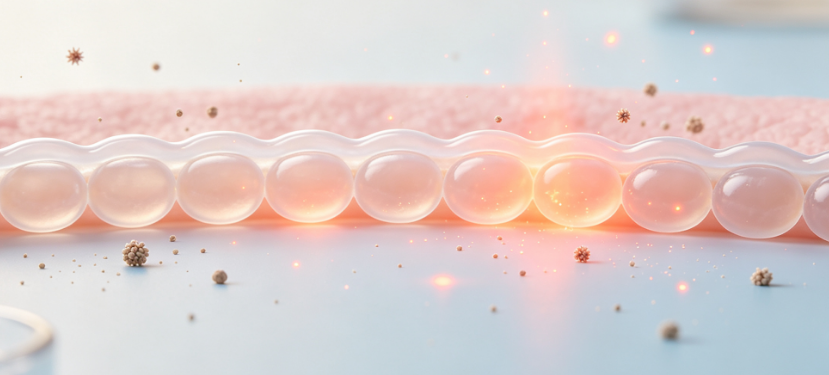
The vaginal mucosa is characterized by a stratified squamous epithelium that undergoes cyclic hormonal changes, with thickness, glycogen content, and keratinization varying across the estrous/menstrual cycle. This dynamic nature influences the absorption, retention, and local bioavailability of test articles, as well as the baseline inflammatory state. Irritation responses are mediated by a cascade of events, including epithelial barrier disruption, release of pro-inflammatory cytokines (IL-1β, IL-6, TNF-α), recruitment of polymorphonuclear neutrophils (PMNs), and activation of resident Langerhans cells and macrophages. The classic Draize-like scoring system, which relies on erythema, edema, and discharge, suffers from inter-observer variability and lacks sensitivity to sub-clinical changes. Moreover, the rabbit vaginal model, while historically accepted, differs from human anatomy in terms of epithelial thickness, pH, and microbial flora, potentially leading to under- or over-estimation of human responses. Our approach addresses these limitations by combining standardized rabbit bioassays with human tissue-based surrogate models and omics-level endpoint analysis, ensuring that our irritation data are both regulatory-compliant and biologically predictive.
Our Integrated Vaginal Irritation Testing Platform – From Classical Scoring to Molecular Pathology
We have established a multi-tiered vaginal irritation assessment framework that can be tailored to the development stage and regulatory requirements of your product. Our core service offers the classical 7-day repeated vaginal irritation test in sexually mature, nulliparous female New Zealand White rabbits, following ISO 10993-10 and OECD 404 guidelines, with a minimum of 6 animals per group, including sham and positive control (e.g., 4% sodium lauryl sulfate). The test article is administered intravaginally once daily for at least 5 consecutive days, and animals are euthanized 24–72 hours after the last application. We perform macroscopic evaluation of the vaginal mucosa, cervix, and adjacent tissues using a standardized scoring rubric, and we provide high-resolution digital photographic documentation. Crucially, we have enhanced the classical protocol by incorporating quantitative histopathological analysis using both H&E staining and immunohistochemistry (IHC) for markers of epithelial integrity (E-cadherin, ZO-1), proliferation (Ki-67), apoptosis (caspase-3), and leukocyte infiltration (CD45, MPO). Our histopathology is read by two board-certified veterinary pathologists, with a consensus scoring system that reduces inter-reader variability to ≤ 5%, and we provide a detailed histologic lesion index (HLI) that includes 16 individual parameters (e.g., epithelial degeneration, ulceration, stromal edema, vascular congestion, and inflammatory cell density).
Ex Vivo Human Vaginal Tissue Explant Model – Bridging the Translational Gap
To complement the in vivo rabbit data and to provide mechanistic insight specific to human biology, we offer an optional ex vivo model using fresh human vaginal tissue obtained from reduction mammoplasty or hysterectomy specimens (with ethical approval and informed consent). Our precision-cut tissue slices (350 μm thickness) are cultured at the air-liquid interface and exposed to the test article for 24, 48, or 72 hours, allowing for the assessment of tissue viability (ATP content, LDH release), epithelial barrier integrity (transepithelial electrical resistance, TEER), and multiplex cytokine/chemokine release (Luminex panel of 20 analytes). This human-relevant model provides a direct assessment of tissue damage and inflammatory response without the confounding variables of systemic metabolism or animal-to-human differences. We have validated this model against a library of known irritants and non-irritants, achieving a sensitivity of 94% and specificity of 89% when compared to historical clinical data. The ex vivo data are presented as a Human Irritation Equivalent Score (HIES), which can be used to support a weight-of-evidence approach for regulatory submissions, particularly for combination products or novel biomaterials.
Advanced Molecular and Imaging Endpoints for Deep Mechanistic Profiling
Beyond conventional histology, we offer a suite of state-of-the-art molecular and imaging techniques that transform the irritation assessment from descriptive to mechanistic. We perform quantitative real-time PCR (qRT-PCR) and RNA-sequencing (RNA-seq) on vaginal tissue homogenates to profile the expression of over 100 inflammation-related genes, including TLRs, NLRP3 inflammasome components, prostaglandin synthases, and tight junction proteins. This transcriptional data is complemented by targeted proteomics (LC-MRM) for key mediators such as S100A8/A9, calprotectin, and matrix metalloproteinases (MMP-1, -3, -9). For visualization, we utilize multiplex immunofluorescence (IF) with up to 7 markers per slide, enabling spatial mapping of immune cell subsets (CD68+ macrophages, CD4+ and CD8+ T cells, and CD11c+ dendritic cells) in relation to epithelial damage. Additionally, we employ electron microscopy (TEM and SEM) to assess ultrastructural changes in the glycocalyx, desmosomes, and intercellular spaces, providing an unprecedented resolution of mucosal damage that is rarely available in standard CROs. Our integrated molecular pathology report includes heatmaps, volcano plots, and principal component analysis (PCA) to compare the irritancy profile of your test article against a large reference database of historical compounds, allowing you to benchmark your product's safety profile with statistical rigor.
Compliance with Global Regulatory Standards and Customized Study Designs
Our vaginal irritation studies are fully conducted under GLP (OECD and FDA GLP principles), with all protocols reviewed and approved by our independent Institutional Animal Care and Use Committee (IACUC) and ethical review board. We offer flexible study designs to accommodate different product types: single-application acute irritation, repeated-dose sub-acute (7–28 days), and chronic (up to 90 days) irritation with recovery periods to assess reversibility. For medical devices, we provide the ISO 10993-10-specific extraction and direct contact protocols, including the use of appropriate negative controls (e.g., polyethylene) and positive controls (e.g., zinc pyrithione). For pharmaceutical formulations, we offer customized dosing regimens that simulate clinical use patterns, such as once-daily, twice-weekly, or on-demand application. We also provide the option of performing cytokine and histamine measurements in vaginal lavage fluid collected at multiple time points, enabling the assessment of temporal dynamics of irritation. Our final study reports follow the standard SEND (Standard for Exchange of Nonclinical Data) format for electronic submission to the FDA, and we provide a comprehensive narrative that integrates macroscopic, microscopic, and molecular data into a clear irritation classification (non-irritant, mild, moderate, or severe) based on both the Draize score and our proprietary Composite Irritation Index (CII).
Unmatched Expertise in Female Reproductive Tract Toxicology
Our scientific team includes full-time board-certified toxicologists, board-certified veterinary pathologists with specialty training in reproductive pathology, and PhD-level immunologists with over 25 years of cumulative experience in mucosal toxicology. We have successfully completed more than 300 vaginal irritation studies for clients ranging from startup biotech companies to top-10 pharmaceutical corporations, covering a diverse array of product categories, including small molecules, biologics, nanoparticle formulations, hyaluronic acid gels, silicone devices, and herbal extracts. This extensive track record has allowed us to develop proprietary scoring algorithms and historical control databases that enhance the interpretability of our results. We are also actively involved in international standardization committees (e.g., ISO/TC 194) and maintain strong relationships with regulatory agencies, enabling us to provide strategic advice on study design, endpoint selection, and data presentation to maximize the likelihood of regulatory acceptance. Our laboratory is equipped with state-of-the-art tissue processing, microtomy, and digital pathology systems (Aperio GT 450), and we utilize artificial intelligence-assisted image analysis (VisioPharm, HALO) for objective quantification of histologic features, eliminating manual counting biases.
Quality Assurance, Data Integrity, and Rapid Turnaround
We operate under a robust quality system that undergoes regular audits by major pharmaceutical sponsors and regulatory inspectors. All study data are captured in a validated electronic data capture (EDC) system with full audit trails, ensuring 21 CFR Part 11 compliance for electronic records and signatures. Our samples are tracked using barcoded cryovials and a laboratory information management system (LIMS) that guarantees chain of custody and traceability from necropsy to final report. For time-sensitive projects, we offer expedited study timelines – for example, a 7-day repeated-dose study with histopathology can be completed and reported within 21 calendar days from animal receipt, with preliminary safety results available within 5 days post-necropsy. We also provide a dedicated project manager and a toxicology consultant who are available for weekly teleconferences to review interim data and adjust study parameters if needed, offering a level of responsiveness that is critical for accelerated development programs.
Why Choose Our Vaginal Irritation Testing Services
Selecting our laboratory for your vaginal mucosal irritation studies ensures that you receive not just a regulatory pass/fail result, but a deep understanding of the biological interaction between your product and the sensitive vaginal tissue. Our distinct advantages include:
Bridging in vivo and human-relevant data – The optional ex vivo human explant model provides complementary human-specific data that enhances the clinical predictive value of the rabbit study, reducing the risk of later-stage surprises and supporting a more robust risk assessment.
Mechanistic depth – Our molecular and imaging endpoints go beyond the standard histology, providing actionable biomarkers that can guide formulation optimization, such as reducing pro-inflammatory excipients or adding cytoprotective agents.
Regulatory readiness – Our reports are structured to directly address the specific questions raised by ISO 10993-10, FDA's Guidance on Vaginal Drug Products, and the EMA's reflection paper on non-clinical safety studies, saving you time and effort in compilation for submission.
Scientific credibility – Our pathologists and toxicologists are regularly published in peer-reviewed journals, and we welcome collaborative research projects to develop novel endpoints or characterize unusual products, ensuring that your study is at the forefront of scientific practice.
Flexible and transparent pricing – We provide fixed-cost quotations with no hidden add-ons, and we offer modular options so you can select only the endpoints that are relevant to your development stage, from a basic GLP irritation test to a full molecular profiling package.
Global logistics and support – With sample acceptance from all over the world, we manage the importation of test articles and biological specimens, handling customs and quarantine requirements, and we communicate in multiple languages to ensure seamless collaboration.
In the competitive landscape of women's health products and intravaginal therapeutics, the quality and depth of your irritation safety data can be a decisive factor in regulatory approval and market acceptance. Our comprehensive vaginal mucosal irritation testing service delivers the scientific rigor, technical excellence, and regulatory intelligence you need to confidently advance your product to the clinic and beyond. We invite you to consult with our experts to design a study that not only meets but exceeds your safety evaluation goals.