Reasons for choosing our testing services
ZHONGXI Testing has obtained inspection qualification certifications from multiple countries and regions worldwide. We possess a senior testing team and advanced testing methods, providing independent, impartial, and professional third-party verification services for global carbon projects.

Internationally recognized authority
Certified by multiple international standards such as CNAS, VCS, and GS, with reports universally applicable worldwide.

Global service capability
Covering 140+ countries and regions, it supports on-site detection and remote verification in multiple languages.

Professional experimental methods
Adopt standard experimental methods to ensure accurate and reliable data.
Comprehensive Cleanliness and Contamination Assessment of CO₂ Incubators: A High‑Sensitivity Analytical Service for Cell Culture Quality Assurance
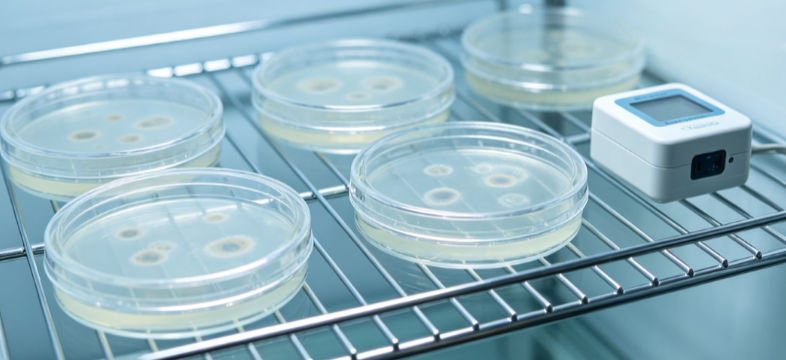
The CO₂ incubator is the cornerstone of mammalian cell culture, providing precise control of temperature, humidity, and carbon dioxide tension. However, its internal environment is also a potential haven for microbial contaminants—bacteria, fungi, Mycoplasma, and cross‑contaminating cell lines—that can compromise experimental reproducibility, bioproduction yields, and the safety of cell‑based therapeutics. Clients seeking cleanliness testing for their CO₂ incubators are typically driven by recurrent contamination episodes, pre‑validation of new or serviced equipment, compliance with GMP/GLP guidelines, or routine quality monitoring in IVF clinics and stem cell facilities. The challenge is compounded by the fact that many contaminants are airborne, waterborne (via the humidification pan), or introduced through door openings, and they may form biofilms on internal surfaces that resist simple disinfection. Our laboratory offers a multi‑modal, ISO‑17025‑accredited cleanliness assessment platform that combines active air sampling, surface swabbing, liquid impingement, and molecular detection (PCR and sequencing) to provide a quantitative and taxonomic map of the biological burden. We go beyond pass/fail criteria to deliver a risk‑graded contamination profile with species identification, antimicrobial resistance markers, and source‑tracking analysis, all within a rapid turnaround that minimises incubator downtime. This article details our service portfolio, the technical sophistication of our methods, and the distinctive advantages that position us as a premier partner for incubator hygiene validation.
1. The Critical Need for Rigorous Incubator Cleanliness Verification
Even with routine cleaning protocols, CO₂ incubators harbour microbial niches: the water pan, condenser coils, gasket seals, and perforated shelves can accumulate organic deposits and protect microorganisms from desiccation. Moreover, the high humidity and 37 °C temperature create an ideal environment for rapid bacterial and fungal proliferation. A single contaminated incubator can cross‑infect multiple cell lines, leading to false experimental results, loss of rare or irreplaceable cultures, and significant financial and reputational damage. Regulatory bodies, including the FDA (21 CFR Part 211) and EMA (Annex 1), require documented environmental monitoring for aseptic processing, and incubators used in cell therapy manufacturing fall under these stringent guidelines. Our service provides a definitive, data‑driven answer to the question: “Is my incubator truly clean, and what is the nature of any contamination present?”
2. Core Sampling Strategies for Incubator Cleanliness
We employ a three‑dimensional sampling approach that captures contamination from air, surfaces, and water reservoirs, as each compartment harbours distinct microbial populations.
2.1. Active Air Sampling with Impaction and Gelatin Membrane Filters
Using a calibrated portable air sampler (Sartorius MD8) with a gelatin membrane filter, we draw a defined volume of air (typically 1,000 L) from the incubator’s interior through the filter. The filter is then aseptically transferred onto agar plates for viable count determination. We perform sampling at multiple heights and locations (top shelf, middle, and near the door) to assess spatial heterogeneity. For high‑risk environments, we also deploy a six‑stage Andersen impactor to fractionate particles by aerodynamic size, providing information on the respirable fraction and potential sources (e.g., human shedding vs. incoming air). The limit of detection is 1 CFU per 1,000 L, and we routinely achieve recovery efficiencies > 90 % for standard bacterial aerosols.
2.2. Surface Swabbing with Neutralising Buffers
We use sterile rayon or flocked swabs pre‑moistened with a neutralising buffer (Letheen broth with lecithin and polysorbate 80) to inactivate any residual disinfectants (e.g., quaternary ammonium, ethanol, peracetic acid) on the sampled surface. The swabbing protocol follows a standardised 10‑cm² template for each zone, covering door gaskets, shelves, corners, and the water pan. After swabbing, the swab is eluted in the buffer, and aliquots are plated on three different agars: tryptic soy agar (TSA) for total aerobic count, Sabouraud dextrose agar (SDA) for fungi, and a selective medium (e.g., R2A) for slow‑growing oligotrophs. We also perform direct contact plates (RODAC) on flat surfaces to provide a complementary, non‑destructive assessment. All counts are reported as CFU per swab area with a quantitation limit of 1 CFU per plate.
2.3. Water and Condensate Analysis
The water pan is a prime source of Pseudomonas, Stenotrophomonas, and fungal spores. We collect a representative water sample (100 mL) and a swab of the pan’s bottom, and analyse both by membrane filtration (0.45 µm) followed by incubation on R2A and Pseudomonas isolation agar. We also measure the Endotoxin level using the LAL kinetic turbidimetric method, as cell culture media can be compromised by even low levels of Gram‑negative lipopolysaccharide. Our water test panel includes heterotrophic plate count (HPC) at 22 °C and 37 °C, and we can further screen for Legionella and Mycobacterium via qPCR if indicated.
3. Advanced Molecular Characterisation of Microbial Isolates
Identifying colony morphology and Gram stain is insufficient for source‑tracking and risk assessment. We perform full‑length 16S rRNA gene sequencing (Sanger or NGS) for bacterial isolates, and ITS2 sequencing for fungal isolates, providing species‑level identification with a confidence score. For samples with mixed populations or where individual colonies cannot be easily resolved, we use metabarcoding (16S/ITS amplicon sequencing on Illumina MiSeq) to generate a comprehensive operational taxonomic unit (OTU) profile, revealing the relative abundance of all taxa present, including unculturable or fastidious organisms. Our bioinformatics pipeline employs the SILVA and UNITE databases with a 99 % identity threshold, and we report the Shannon diversity index and Bray‑Curtis dissimilarity to compare against previous clean‑state baselines. This molecular depth transforms routine monitoring into a forensic ecology investigation, enabling the identification of contamination sources (e.g., water supply, incoming air, personnel handling).
4. Viable but Non‑Culturable (VBNC) Detection
Many environmental bacteria enter a VBNC state in response to nutrient limitation or disinfectant exposure, and they will not grow on conventional agars. To overcome this, we implement a viability PCR (vPCR) assay using a viability dye (PMAxx™) that selectively enters membrane‑compromised (dead) cells, followed by qPCR for the 16S gene. The difference between PMA‑treated and untreated samples yields the true viable fraction, including VBNC cells. We also use solid‑phase cytometry (ChemChrome V6) in parallel to visualise metabolically active cells directly on membrane filters. This dual approach ensures that our cleanliness assessment is not biased by culturality, providing a more realistic picture of biological risk.
5. Resistance Profiling and Disinfectant Efficacy Verification
Upon isolation of dominant species (especially Bacillus spores, Pseudomonas, or Aspergillus), we perform minimum inhibitory concentration (MIC) testing against a panel of commonly used biocides (benzalkonium chloride, peracetic acid, hydrogen peroxide, silver‑based disinfectants). This informs the client whether their current disinfection regimen is likely to be effective. We also offer biofilm formation assays (crystal violet staining on polystyrene) and quorum sensing inhibition tests, as biofilm‑embedded cells are orders of magnitude more resistant to sanitisation. Our final report includes a disinfectant susceptibility matrix that recommends specific agents and contact times based on the isolate profiles, enabling a targeted, evidence‑based decontamination strategy.
6. Environmental Trend Analysis and Baseline Establishment
For clients with multiple incubators or long‑term monitoring programmes, we provide quarterly trend reports that track contamination levels over time, using statistical process control (SPC) charts with upper control limits derived from the initial baseline. We apply Hotelling’s T² multivariate control charts to detect simultaneous shifts in multiple indicators (e.g., total count + fungal count + Endotoxin). This proactive surveillance system alerts the client to upward trends before they reach alert or action levels, allowing preventive maintenance rather than reactive shutdowns. We also correlate contamination spikes with external events (e.g., maintenance work, filter changes, seasonal variations) to identify root causes.
7. Quality Assurance and Metrological Traceability
Our incubator cleanliness service is fully compliant with ISO 17025:2017 and follows the EU GMP Annex 1 (2022) guidelines for environmental monitoring. We use calibrated air samplers and pipettes with certificates traceable to NIST, and each batch includes positive and negative controls (spiked with Bacillus atrophaeus spores for recovery validation, and sterile buffer blanks). For molecular tests, we include extraction blanks and no‑template controls in every run. All plates are incubated in validated incubators (not the client’s unit) with temperature and humidity logging, and colony enumeration is performed by two independent technicians; discrepancies exceeding 15 % trigger a re‑count. Our LIMS automatically flags any deviation from protocol and ensures complete data integrity.
8. Distinctive Competencies and Value‑Added Expertise
Our laboratory distinguishes itself through several key attributes:
Comprehensive multi‑compartment sampling: We do not limit testing to air or surfaces alone; our integrated “incubator audit” includes all three reservoirs (air, surface, water) and provides a holistic contamination score. This is essential because contaminants often migrate between compartments; for example, water pan biofilms aerosolise via fan circulation.
Rapid actionable reporting: We provide a preliminary viable count summary (qualitative) within 24 hours of sample receipt, and a full species‑level report with resistance profiles within 5 working days. For emergency cases (e.g., outbreak investigation), we can deliver presumptive identification using MALDI‑TOF MS within 4 hours, enabling immediate corrective actions.
Customised baseline and alert levels: We work with each client to establish statistically robust alert and action limits based on the historical data from their specific facility, rather than applying generic industry standards. This tailored approach prevents over‑reaction to innocuous fluctuations while ensuring early detection of genuine degradation.
Expert root‑cause interpretation: Our team includes environmental microbiologists who can interpret the taxonomic profile to infer likely sources: e.g., skin‑associated bacteria (Staphylococcus) suggest operator‑derived contamination; environmental moulds (Cladosporium) point to incoming air or filter breaches; water‑borne organisms (Ralstonia) indicate pan or supply issues. We provide this interpretive layer, which is rarely offered by standard contract labs.
9. Flexible Service Formats and Turnaround
We offer a one‑off certification for new or newly serviced incubators, a routine quarterly monitoring package, and an emergency outbreak investigation service with on‑site sampling (using our portable equipment) if required. For large facilities (e.g., biopharma manufacturing suites), we can sample up to 20 incubators per day with our trained field teams, minimising disruption to operations. All supplies (swabs, plates, filter cassettes) are provided in a pre‑sterilised, ready‑to‑use sampling kit, along with a detailed diagram showing the sampling positions to ensure reproducibility. We also offer remote training sessions for client staff on proper sampling technique to complement our service.
10. Emerging Capabilities: Microbiome Persistence Mapping and Sporicide Validation
We are pioneering the use of shotgun metagenomic sequencing on surface swabs to detect not only viable organisms but also residual DNA from previously dead or lysed cells, providing a “memory” of past contamination events that may inform recurrence patterns. Additionally, we offer sporicidal efficacy testing on samples taken after a clean‑in‑place (CIP) cycle, using a highly sensitive Bacillus stearothermophilus spore detection assay (ATP‑based) to confirm that the treatment has achieved a 6‑log reduction. These advanced services are available on request and demonstrate our commitment to staying ahead of industry needs.
11. Conclusions: Elevating Incubator Hygiene from Compliance to Confidence
A CO₂ incubator is not merely a box of regulated parameters; it is a living environment that requires systematic, scientifically rigorous vigilance. Our cleanliness detection service provides a complete, validated, and interpretable picture of the microbiological status of your incubator, combining classical enumeration, molecular identification, resistance profiling, and trend analytics. With our ISO‑accredited quality system, multi‑disciplinary expertise, and client‑centric flexibility, we empower you to maintain the highest standards of cell culture reliability and regulatory compliance. We invite you to partner with us to transform incubator monitoring from a reactive check‑box into a proactive, predictive, and protective programme that safeguards your research, your products, and your reputation.