Reasons for choosing our testing services
ZHONGXI Testing has obtained inspection qualification certifications from multiple countries and regions worldwide. We possess a senior testing team and advanced testing methods, providing independent, impartial, and professional third-party verification services for global carbon projects.

Internationally recognized authority
Certified by multiple international standards such as CNAS, VCS, and GS, with reports universally applicable worldwide.

Global service capability
Covering 140+ countries and regions, it supports on-site detection and remote verification in multiple languages.

Professional experimental methods
Adopt standard experimental methods to ensure accurate and reliable data.
Comprehensive Lactoferrin Biofilm Inhibition Assay: A High‑Content, Mechanistic Platform for Anti‑Biofilm Efficacy Evaluation
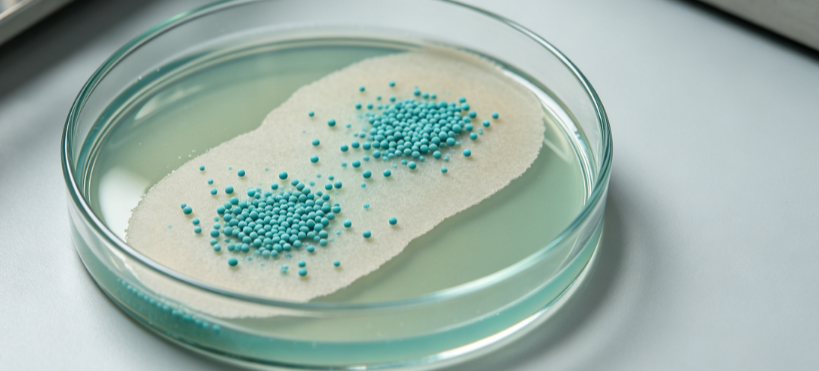
Lactoferrin, a multifunctional iron‑binding glycoprotein found in mammalian secretions, has garnered significant attention for its broad‑spectrum antimicrobial and anti‑biofilm properties. Biofilm formation by pathogenic bacteria—such as Pseudomonas aeruginosa, Staphylococcus aureus, and Escherichia coli—represents a major challenge in clinical, food, and industrial settings, conferring resistance to conventional antibiotics and host immune responses. Clients seeking lactoferrin biofilm inhibition testing are typically engaged in the development of novel antimicrobial coatings, wound dressings, functional foods, or veterinary therapeutics, where the ability to quantify and characterise biofilm disruption is critical for product validation and regulatory submission. Our laboratory provides a fully integrated, ISO‑accredited biofilm inhibition assay platform that combines high‑content confocal microscopy, metabolic viability staining, crystal violet quantification, and advanced image analysis to deliver a comprehensive anti‑biofilm profile. We assess not only the reduction in biofilm biomass but also the structural integrity, extracellular polymeric substance (EPS) composition, and cellular viability within the biofilm matrix. Our services extend to dose‑response kinetics, synergy studies with antibiotics, and mechanistic investigations using transcriptional analysis and iron‑chelation assays. We achieve sub‑MIC concentration sensitivity and provide quantitative inhibition indices (IC₅₀, IC₉₀) with robust statistical validation. This article details our analytical capabilities, the depth of our methodological offerings, and the distinctive competencies that establish us as a premier partner for lactoferrin biofilm research.
1. The Scientific Rationale for Biofilm Inhibition Testing with Lactoferrin
Biofilms are structured communities of bacteria encased in a self‑produced matrix of polysaccharides, proteins, and DNA, which significantly reduce susceptibility to antimicrobials. Lactoferrin exerts its anti‑biofilm effects through multiple mechanisms: iron sequestration (starving bacteria of a vital nutrient), direct interaction with bacterial surfaces, and disruption of the EPS matrix. However, the efficacy is highly dependent on the bacterial strain, growth conditions, and lactoferrin concentration. Our service provides a standardised yet customisable framework to evaluate these effects under physiologically relevant conditions, enabling clients to identify optimal formulations and predict in vivo performance.
2. Core Biofilm Assay Platforms
We offer a tiered approach to biofilm inhibition testing, from high‑throughput screening to in‑depth structural and functional characterisation:
Quantitative Biomass Measurement (Crystal Violet Staining): This is the initial screening assay, performed in 96‑well microtiter plates. Bacteria are cultured with varying concentrations of lactoferrin (typically 0.1 – 10 mg/mL) for 24‑48 hours under static or continuous flow conditions. After incubation, the biofilm is fixed, stained with 0.1 % crystal violet, and solubilised in 30 % acetic acid. Absorbance at 590 nm is measured, and the percentage of biofilm inhibition is calculated relative to untreated controls. We run each condition in octuplicate and include positive controls (e.g., EDTA or chlorhexidine) to validate assay performance. The minimum inhibitory concentration (MIC) for planktonic cells is also determined in parallel to differentiate between bactericidal and anti‑biofilm effects.
Metabolic Viability Assay (MTT / XTT Reduction): To assess the metabolic activity of biofilm‑associated cells, we employ the tetrazolium dye reduction method (XTT‑menadione). This provides a measure of respiratory activity within the biofilm, which is often more sensitive than biomass alone. We calculate the metabolic inhibition index and correlate it with biomass reduction to distinguish between bacteriostatic and biofilm‑disrupting mechanisms.
Confocal Laser Scanning Microscopy (CLSM) and Live/Dead Staining: For detailed spatial visualisation, we culture biofilms on glass coverslips or in flow‑cells, and stain with SYTO 9 (live) and propidium iodide (dead) in combination with Concanavalin A‑FITC or Calcofluor White to visualise EPS components. Our CLSM (Leica SP8) is equipped with a motorised stage and z‑stack acquisition, enabling three‑dimensional reconstruction and quantitative analysis of biofilm thickness, surface coverage, and viable/dead volume ratios using IMARIS or COMSTAT software. We provide orthogonal projection images and roughness coefficients to characterise structural integrity.
3. Advanced Mechanistic Investigations
Beyond standard inhibition curves, we offer specialised assays to elucidate the mode of action of lactoferrin:
Iron‑Chelation Assay: Since iron deprivation is a primary mechanism, we measure the residual iron concentration in culture media using a ferrozine‑based colorimetric assay after incubation with lactoferrin. We also perform complementation studies by adding exogenous iron (FeCl₃) to confirm that the inhibition is partly reversible.
EPS Compositional Analysis: We extract the biofilm matrix and quantify protein (BCA assay), polysaccharide (phenol‑sulfuric acid), and extracellular DNA (PicoGreen) to determine which components are preferentially affected by lactoferrin. This is often correlated with hydrophobicity and surface charge measurements (zeta potential) to understand adhesion alterations.
Transcriptional Profiling (qPCR / RNA‑seq): For mechanistic depth, we perform qPCR of key biofilm‑related genes (algD, pslA, fnr for P. aeruginosa; icaA, sarA for S. aureus) to assess the downregulation of EPS production pathways. We also offer full transcriptomic analysis via RNA‑seq for discovery‑oriented investigations.
4. Multi‑Species and Mixed Biofilm Assessment
Many real‑world biofilms are polymicrobial. We have validated our assays for dual‑species and triple‑species consortia (e.g., P. aeruginosa + S. aureus; E. coli + Enterococcus faecalis). We use differential fluorescent labelling or selective plating to quantify each species’ response to lactoferrin, and we calculate the combinatorial inhibition index (CI) to identify synergistic or antagonistic interactions. This service is particularly valued by clients developing products for wound care or medical device coatings.
5. Kinetic and Flow‑Through Models
To mimic dynamic physiological conditions (e.g., flow in catheters or the gastrointestinal tract), we employ a continuous flow biofilm reactor (CDC or drip‑flow system) that allows sustained exposure of biofilms to lactoferrin at controlled shear rates. We monitor real‑time biofilm accumulation using a non‑invasive optical sensor (biofilm capacitance or ultrasound) and collect effluent samples for viable counts. This model provides kinetic inhibition parameters (ki, half‑life of biofilm reduction) that are more predictive of in vivo outcomes than static assays.
6. High‑Throughput and Combinatorial Screening
For clients with large libraries of lactoferrin variants (e.g., bovine vs. human, glycosylated vs. deglycosylated, or peptide fragments) or combinations with other antimicrobials, we offer a 384‑well automated platform with a robotic liquid handler, enabling screening of up to 384 unique conditions per plate. Our proprietary Inhibit‑Score™ algorithm automatically normalises data and applies Z‑factor analysis to validate assay quality, and we provide heatmap and dose‑response matrix visualisations for rapid selection of lead candidates.
7. Statistical Rigour and Data Interpretation
All experiments are conducted with at least three independent biological replicates, each with technical triplicates. Data are analysed using non‑linear regression (four‑parameter logistic model) to fit dose‑response curves, yielding IC₅₀, IC₉₀, and Hill slopes. We perform ANOVA with post‑hoc Tukey HSD to compare treatments, and we report 95 % confidence intervals for all inhibition metrics. Our final report includes graphical abstracts of CLSM images, quantification tables, and a mechanistic summary, all formatted for direct insertion into regulatory dossiers or scientific manuscripts.
8. Quality Assurance and Compliance
Our biofilm inhibition service operates under ISO 17025:2017 accreditation and follows the ASTM E2644‑16 standard for biofilm formation and testing. We maintain a reference strain library (ATCC and clinical isolates) with known biofilm‑forming capacities, and we include a positive control (ciprofloxacin or gentamicin) in every batch to ensure assay responsiveness. All reagents are quality‑tested for Endotoxin and Sterility, and we run negative controls (uninoculated media) to correct for background absorbance. Our instruments are calibrated with NIST‑traceable standards, and all data are archived in a 21 CFR Part 11‑compliant LIMS for full auditability.
9. Distinctive Competencies and Differentiating Strengths
Our laboratory offers several unique advantages:
Multi‑modal, integrated analysis: We are one of the few facilities that combine biomass quantitation, metabolic viability, CLSM 3D imaging, EPS composition, and transcriptional analysis in a single service package. This allows our clients to obtain a complete anti‑biofilm fingerprint without having to coordinate multiple providers.
Customisation for specific matrices: We adapt our assays to test lactoferrin efficacy on clinically relevant surfaces (e.g., silicone catheters, titanium implants, stainless steel food‑contact surfaces) upon request. We also test the effect of formulation excipients (e.g., preservatives, surfactants) on biofilm inhibition.
Predictive biofilm modelling: Using our kinetic flow‑through data, we build mathematical models (Monod‑based or individual‑based) to predict biofilm eradication over extended periods, helping clients optimise dosing regimens for product development.
Rapid turnaround with transparent reporting: We provide a preliminary inhibition percentage within 48 hours of sample receipt, with a full mechanistic report delivered in 10‑12 working days. Our client portal allows real‑time tracking and secure downloading of raw images and data files.
10. Sample Submission and Study Design Consultation
We accept lactoferrin as purified powder, solution, or formulated product (e.g., coated materials). We also accept bacterial strains (pure cultures or mixed consortia) and can provide standardised reference strains if needed. Our scientific team offers a free preliminary consultation to design the most informative assay panel—including appropriate controls, positive compounds, and statistical power calculations—ensuring that the study addresses the client’s specific research or regulatory goals.
11. Emerging Capabilities: Biofilm on Organoids and In Vivo Mimetic
We are currently validating a gut biofilm model using human intestinal organoids to assess lactoferrin efficacy in a more physiologically relevant context, as well as a wound‑like collagen matrix model for topical applications. These advanced models are available on a collaborative basis and offer higher translational relevance.
12. Conclusions: Elevating Biofilm Inhibition Testing to a Strategic Science
Lactoferrin’s anti‑biofilm potential is highly context‑dependent, and robust evaluation demands a multi‑parametric, mechanistically informed approach. Our integrated service provides a comprehensive, reproducible, and defensible assessment that covers biomass reduction, metabolic inactivation, structural disruption, and molecular mechanisms. With our ISO‑accredited systems, advanced imaging, and data modelling capabilities, we empower our clients to make evidence‑based decisions in product development and regulatory submission. We invite you to partner with us to unlock the full biofilm‑controlling potential of your lactoferrin‑based solutions, ensuring efficacy and safety across diverse applications.