Reasons for choosing our testing services
ZHONGXI Testing has obtained inspection qualification certifications from multiple countries and regions worldwide. We possess a senior testing team and advanced testing methods, providing independent, impartial, and professional third-party verification services for global carbon projects.
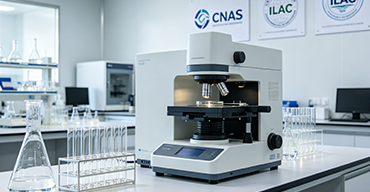
Internationally recognized authority
Certified by multiple international standards such as CNAS, VCS, and GS, with reports universally applicable worldwide.

Global service capability
Covering 140+ countries and regions, it supports on-site detection and remote verification in multiple languages.

Professional experimental methods
Adopt standard experimental methods to ensure accurate and reliable data.
Comprehensive Fruit and Vegetable Preservation Efficacy Testing: A Multi‑Parameter, Simulated‑Chain Platform for Shelf‑Life Extension and Quality Retention
The post‑harvest preservation of fresh fruits and vegetables is a critical challenge in the global food supply chain, with substantial economic and environmental implications. Clients seeking preservation efficacy testing are typically developing novel coatings, packaging systems, gaseous treatments (e.g., ethylene inhibitors, modified atmospheres), biopreservatives, or physical interventions (e.g., irradiation, cold plasma). The objective is to quantify the extension of shelf‑life while maintaining nutritional quality, organoleptic properties, and microbial safety. Our laboratory provides a fully integrated, ISO‑accredited preservation trial platform that simulates real‑world supply chain conditions—including temperature abuse, humidity fluctuations, and handling stresses—and delivers a comprehensive preservation profile covering weight loss, firmness, colour, soluble solids, acidity, vitamin C, and microbial loads. We employ advanced non‑destructive sensors (near‑infrared spectroscopy, electronic nose) alongside conventional physico‑chemical methods, and we apply kinetic modelling (Arrhenius, Weibull) to predict shelf‑life under variable conditions. Our service supports a wide range of commodities—climacteric and non‑climacteric fruits, leafy greens, root vegetables, and cut‑fresh produce—with tailored protocols that reflect commercial handling practices. This article details our analytical platforms, the technical depth of our assessments, and the distinctive competencies that position us as a premier partner for preservation research.
1. The Scientific Rationale for Rigorous Preservation Testing
Post‑harvest deterioration is driven by multiple interacting factors: respiration and ethylene production, transpiration (water loss), textural softening, enzymatic browning, and microbial spoilage. Effective preservation strategies must address these pathways simultaneously, and their efficacy is highly dependent on cultivar, maturity stage, and environmental conditions. Our service provides a mechanistically informed evaluation that goes beyond simple ‘days to spoilage’ measurements, offering insights into the underlying physiological and microbiological changes. This enables clients to optimise treatment parameters, validate product claims, and meet regulatory or retailer requirements for shelf‑life data.
2. Core Preservation Trial Design and Environmental Simulation
We operate a walk‑in controlled environment chamber with programmable temperature (‑5 °C to +40 °C), relative humidity (30‑95 %), and light cycles, capable of simulating both cold‑chain and ambient retail conditions. We also have modified atmosphere packaging (MAP) chambers for testing gas mixtures (O₂, CO₂, N₂, ethylene scrubbers). Our standard trial design includes:
Storage trials: Produce is stored under defined conditions for a predetermined period (1‑12 weeks), with periodic sampling (every 3‑7 days) for quality and safety assessment. We incorporate temperature abuse cycles (e.g., 2 days at 10 °C followed by 2 days at 20 °C) to mimic supply chain interruptions.
Transport simulation: We use a vibration table and drop tester to assess mechanical damage and its impact on subsequent storage quality, particularly for fragile fruits (e.g., berries, stone fruits).
Shelf‑life modelling: Based on kinetic data, we build predictive models for key quality attributes, allowing clients to estimate remaining shelf‑life at any point during distribution.
3. Comprehensive Quality and Spoilage Assessment
Our analytical suite covers the full spectrum of quality deterioration:
Physical properties: We measure weight loss (gravimetric), firmness using a texture analyser (penetration or compression tests), colour using a chromameter (L*a*b*), and surface gloss by specular reflectance. We also assess respiration rate (CO₂ evolution) and ethylene production using a gas chromatograph with FID, which are crucial for understanding and modifying the ripening behaviour of climacteric fruits.
Chemical composition: We determine total soluble solids (refractometer), titratable acidity (by NaOH titration), pH, and ascorbic acid (by HPLC with UV detection) as primary nutritional indicators. For more detailed profiling, we offer sugar and organic acid analysis by UHPLC‑MS/MS, and antioxidant capacity (DPPH/FRAP) to assess functional quality.
Enzymatic activity: We measure key enzymes involved in browning and softening—polyphenol oxidase (PPO), peroxidase (POD), and polygalacturonase (PG)—using spectrophotometric methods, providing mechanistic insight into the preservation effect.
Microbiological safety: We perform total aerobic mesophilic counts, yeast and mould counts, and specific pathogen detection (e.g., Salmonella, Listeria) according to ISO 4833 and ISO 21527 standards. This is essential for fresh‑cut products and ready‑to‑eat produce.
4. Advanced Non‑Destructive and Real‑Time Monitoring
To minimise sample destruction and enable continuous monitoring, we deploy portable near‑infrared (NIR) spectrometers to predict soluble solids, moisture, and firmness without cutting the produce. We also use an electronic nose (gas sensor array) to detect volatile organic compounds associated with senescence and microbial spoilage, enabling earlier detection of quality degradation. These tools are integrated into our smart storage cabinets that log data in real time and generate alerts when quality thresholds are breached.
5. Data Analysis and Reporting Framework
Our statistical approach is rigorous and tailored to the trial design. We apply repeated‑measures ANOVA to assess time × treatment interactions, with post‑hoc comparisons (Tukey’s HSD). For shelf‑life estimation, we fit Weibull or logistic regression models to determine the time to reach a pre‑defined rejection threshold (e.g., 5 % weight loss or firmness below 15 N). We also calculate the percentage of shelf‑life extension relative to the untreated control, along with a confidence interval. All results are compiled in a comprehensive report that includes raw data tables, graphical trends, and an executive summary for non‑technical stakeholders.
6. Tailored Protocols for Diverse Commodities
We have validated protocols for a wide range of produce, each with specific handling requirements:
Climacteric fruits (tomatoes, avocados, bananas, apples): We monitor ethylene production and respiration closely, and we assess the effect of ethylene inhibitors (1‑MCP) and controlled atmosphere storage.
Non‑climacteric fruits (strawberries, citrus, grapes): We focus on weight loss, fungal decay (using specific mould counts and visual scoring), and colour stability.
Leafy greens (lettuce, spinach): We evaluate wilting, yellowing, and microbial growth under high‑humidity conditions, and we test the efficacy of moisture‑retaining films and antimicrobial washes.
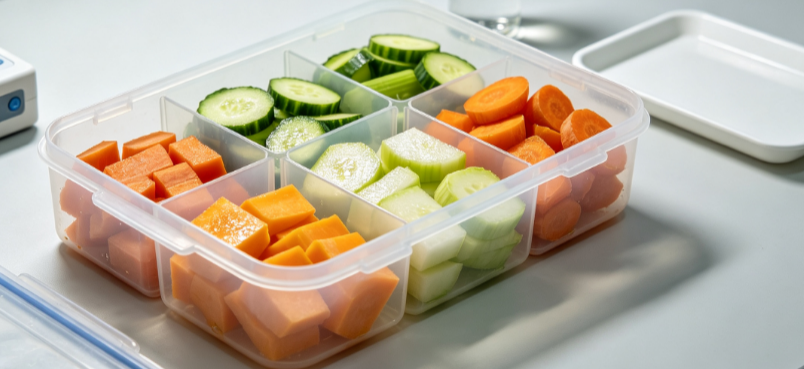
Root and tuber crops (potatoes, carrots): We assess sprouting inhibition and wound healing responses, and we measure starch‑sugar conversion.
7. Quality Assurance and Compliance
Our preservation testing service operates under ISO 17025:2017 accreditation, with specific scope for post‑harvest testing. We use reference materials for colour and firmness calibration, and we participate in proficiency testing schemes for microbiological and chemical analyses. All instruments are calibrated with NIST‑traceable standards, and we maintain a rigorous chain‑of‑custody for all samples. Our trials are designed to comply with retailer codes of practice (e.g., BRCGS, IFS) and relevant regulatory standards (e.g., EU Regulation 1169/2011 on food information).
8. Distinctive Competencies and Differentiating Strengths
Our laboratory offers several unique advantages:
Integrated supply‑chain simulation: We are one of the few facilities that combine storage, transport, and retail display simulations in a single continuous trial, providing a holistic picture of cumulative effects. This is essential for clients launching products in complex distribution networks.
Predictive kinetic modelling: Our mathematical models, built on extensive historical data, enable clients to extrapolate shelf‑life beyond the trial duration and under different scenarios (e.g., temperature excursions), reducing the need for lengthy repeated trials.
Multi‑modal analytical depth: We offer a unique combination of physical, chemical, enzymatic, microbiological, and volatile profiling, allowing clients to pinpoint the primary mode of action of their preservation treatment and to identify secondary benefits or drawbacks.
Rapid turnaround with transparent reporting: We provide interim quality data at each sampling point via a secure client portal, and we deliver a full final report within 3‑4 weeks of trial completion. For urgent projects, we offer an expedited service with weekly data summaries.
9. Sample Submission and Study Design Consultation
We accept fresh produce samples from clients or we can source standardised commercial varieties from our supply partners. We require a minimum of 10‑20 kg of homogeneous produce per treatment group to ensure statistical power and to account for sampling during the trial. Our scientific team provides a complimentary pre‑study consultation to define the objectives, select the appropriate storage conditions, determine sampling intervals, and choose the most informative quality parameters. We also offer pilot screening trials (2‑week duration) to evaluate multiple treatments before committing to full‑scale studies.
10. Emerging Capabilities: Hyperspectral Imaging and Machine Learning
We are currently implementing a hyperspectral imaging system (400‑1000 nm) that captures spatial distribution of quality attributes, enabling early detection of invisible damage (e.g., internal bruising). Combined with a random forest classifier, this allows for automated grading of produce quality over time. This technology is available for clients interested in advanced, non‑destructive quality monitoring.
11. Conclusions: Delivering Evidence‑Based Shelf‑Life Solutions
Fruit and vegetable preservation is a multifaceted challenge that demands a comprehensive, scientifically rigorous evaluation platform. Our service provides a complete end‑to‑end assessment—from simulated supply‑chain storage to detailed quality and safety analyses, and from kinetic modelling to predictive shelf‑life estimates. With our ISO‑accredited facilities, multi‑parametric approach, and expert data interpretation, we empower our clients to validate their preservation technologies, substantiate product claims, and reduce food waste. We invite you to partner with us to maximise the post‑harvest quality and commercial value of your fresh produce.