Reasons for choosing our testing services
ZHONGXI Testing has obtained inspection qualification certifications from multiple countries and regions worldwide. We possess a senior testing team and advanced testing methods, providing independent, impartial, and professional third-party verification services for global carbon projects.

Internationally recognized authority
Certified by multiple international standards such as CNAS, VCS, and GS, with reports universally applicable worldwide.

Global service capability
Covering 140+ countries and regions, it supports on-site detection and remote verification in multiple languages.

Professional experimental methods
Adopt standard experimental methods to ensure accurate and reliable data.
Comprehensive Acid‑Producing Bacteria (APB) Detection and Characterisation Services – From Routine Enumeration to Metabolic Profiling and Corrosion Risk Assessment
The reliable detection and quantification of acid‑producing bacteria (APB) is an essential monitoring requirement in industrial water systems, oil and gas production, cooling towers, and process engineering. APB are a diverse group of aerobic and anaerobic microorganisms that metabolise organic compounds (including carbohydrates, hydrocarbons, and polymers) to generate organic acids (e.g., acetic, lactic, butyric, and propionic acids), which can significantly lower the pH of the environment and accelerate microbially influenced corrosion (MIC), metal pitting, and the degradation of concrete and coatings. Moreover, the production of organic acids can create a favourable microenvironment for more aggressive anaerobic populations, such as sulfate‑reducing bacteria (SRB), compounding the damage potential. Failure to monitor and control APB can lead to costly equipment failures, unplanned shutdowns, and serious safety hazards. However, reliable APB detection is not a simple task; it critically depends on the choice of growth medium, incubation conditions (aerobic vs. anaerobic), the assessment of acid production, and the application of complementary molecular methods. Traditional culture‑based methods (e.g., pour‑plate or MPN) often underestimate the true APB population due to the fastidious nature of many strains, the variability in substrate utilisation, and the presence of viable but non‑culturable (VBNC) cells. Furthermore, conventional methods do not provide information on the specific organic acids produced, the metabolic activity, or the genetic diversity of the APB community, all of which are essential for understanding the corrosion potential and for designing effective mitigation strategies. Our ISO/IEC 17025‑accredited and GMP‑compliant laboratory offers a fully integrated APB detection and characterisation platform, combining traditional culture‑based enumeration with advanced metabolic profiling, high‑performance liquid chromatography (HPLC) for acid identification, and molecular techniques such as real‑time PCR (qPCR) and 16S rRNA gene sequencing. We deliver quantitative, traceable data, including total and active APB counts, the specific organic acid profile, the pH‑lowering capacity, and a comprehensive assessment of the corrosion risk. Our expert interpretation and actionable recommendations enable you to implement targeted treatment programmes and protect your assets.
1. The Scientific and Operational Rationale for Rigorous APB Detection
Acid‑producing bacteria are a metabolically and phylogenetically diverse group, encompassing genera such as Acetobacter, Lactobacillus, Clostridium, Bacillus, and many others. They are widespread in industrial water systems, including cooling towers, heat exchangers, pipelines, and oil reservoirs, where they can rapidly proliferate in the presence of organic nutrients. The primary concerns associated with APB growth are: (a) microbially influenced corrosion (MIC) – the production of organic acids that attack the passive oxide layer on metals, leading to pitting, crevice corrosion, and stress corrosion cracking; (b) acidification of the environment – the lowering of pH can enhance the solubility of corrosive compounds and promote the activity of other destructive microorganisms; (c) biofouling and clogging – the formation of acidic biofilms that impede heat transfer and fluid flow; and (d) degradation of organic additives – the consumption of corrosion inhibitors, biocides, and other functional chemicals. The choice of detection method – whether culture‑based (MPN, pour‑plate), enzymatic (pH‑drop assays), or molecular (qPCR, sequencing) – must be tailored to the sample matrix (e.g., water, oil, sludge, biofilm), the expected APB diversity, the required speed of response, and the need for speciation or activity assessment. A method that works well for pure cultures may fail in complex environmental samples due to inhibition, competition, or the presence of non‑acid‑producing organisms that mask the signal. Our service begins with a comprehensive consultation to design the optimal detection strategy, including the selection of appropriate growth media, the incubation conditions (aerobic, microaerophilic, or anaerobic), and the analysis of the metabolic products, ensuring that the data are both scientifically robust and operationally relevant.
2. Our Comprehensive APB Detection Platform – Culture‑Based, Biochemical, and Molecular Methods
We maintain a complete suite of validated APB detection and enumeration methods, all performed in a dedicated microbiology laboratory with stringent quality controls, and with certified reference cultures (e.g., Lactobacillus plantarum ATCC 8014, Clostridium butyricum ATCC 19398) for method validation. Our portfolio includes:
2.1 Culture‑Based Enumeration – MPN, Pour‑Plate, and Spread‑Plate
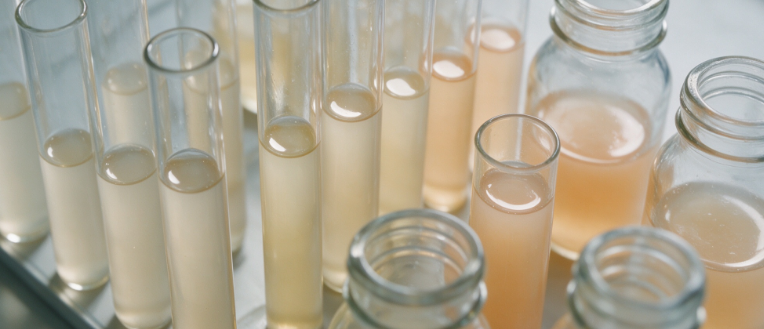
We perform most‑probable‑number (MPN) enumeration using a series of dilutions in a carbohydrate‑rich selective medium (e.g., APB medium, with a pH indicator such as bromocresol purple) that turns yellow upon acid production. The tubes are incubated at the optimal temperature (e.g., 30 °C for mesophiles, 55 °C for thermophiles) for up to 5‑7 days. We record the positive (acid‑producing) and negative (no colour change) tubes and calculate the MPN index with 95% confidence limits. For samples with higher concentrations, we also use pour‑plate or spread‑plate methods on solid medium with a pH indicator (e.g., with bromocresol green) to count the acid‑producing colonies. We report the results in cells/mL, cells/g, or cells/cm².
2.2 pH‑Drop and Acid‑Production Kinetics – Assessing the Metabolic Potential
We perform pH‑drop assays by incubating the sample in a glucose‑rich broth and measuring the pH change over time. The rate and extent of the pH decrease (from the initial pH of ~7.0) provide a direct measure of the acid‑producing activity of the community. We also determine the specific acid‑production rate (mmoles of acid per hour per cell), which is a key parameter for corrosion risk models.
2.3 Organic Acid Profiling by High‑Performance Liquid Chromatography (HPLC)
We use HPLC with UV or refractive index detection to identify and quantify the specific organic acids produced (e.g., acetic, lactic, propionic, butyric, formic, and citric acids). We calibrate the method with authentic standards and provide the concentration of each acid in mM or mg/L. This information is critical for understanding the corrosivity of the biofilm and for selecting the most effective treatment chemicals.
2.4 Real‑Time Polymerase Chain Reaction (qPCR) – Absolute Quantification of Key APB
We have developed validated qPCR assays targeting the 16S rRNA gene of the most prevalent APB genera (e.g., Acetobacter, Lactobacillus, Bacillus, Clostridium). We also use genus‑specific primers and, for broader coverage, universal bacterial primers followed by amplicon sequencing. Our qPCR assay includes an internal amplification control (IAC) to monitor inhibition and is calibrated using a plasmid standard curve, enabling absolute quantification of gene copies, which we report as genomic copies per mL, per g, or per cm². We also offer PMA‑qPCR (propidium monoazide‑treated) to differentiate between viable (intact membrane) and non‑viable cells.
2.5 16S rRNA Gene Sequencing – Profiling the APB Community
We perform 16S rRNA gene amplicon sequencing (targeting the V3‑V4 region) to profile the entire bacterial community, with a special focus on the APB populations. We use bioinformatics pipelines (e.g., QIIME2, DADA2) to process the sequences, assign taxonomy (against the SILVA database), and identify the APB genera and species present. We provide a detailed report of the taxonomic composition, the relative abundance of APB, and the diversity indices, as well as the phylogenetic relationships of the key strains.
2.6 Metabolic Activity Assessment – Community‑Level Physiological Profiling (CLPP)
We use Biolog EcoPlate™ or similar microtiter plate systems to assess the metabolic potential of the APB community, by measuring the utilisation of a wide range of carbon substrates. The resulting patterns provide a functional fingerprint of the community, enabling us to link the taxonomic composition to the actual metabolic capabilities.
2.7 Biofilm and Surface Sampling – Quantifying APB in Adherent Communities
We specialise in the sampling and analysis of biofilms from pipe surfaces, tank walls, and other solid surfaces. We use swabbing, brushing, or coupon removal methods, followed by homogenisation and analysis using both culture and molecular methods. We report the APB count per unit surface area, the acid‑production rate of the biofilm, and the specific organic acid profile of the biofilm environment.
3. Advanced Capabilities – Speciation, Corrosion Risk Modelling, and Treatment Optimisation
For clients requiring a comprehensive understanding of their APB challenge, we offer a suite of customised, advanced services that go beyond routine enumeration:
3.1 Speciation and Phylogenetic Analysis – High‑Resolution Identification
We use whole‑genome sequencing (WGS) or full‑length 16S rRNA gene sequencing to provide species‑level (or even strain‑level) identification of APB isolates. This is essential for determining the origin of a contamination, for tracking the spread of a specific strain, and for selecting appropriate control measures.
3.2 Biocide Susceptibility Testing – Optimising Chemical Treatment
We perform minimum inhibitory concentration (MIC) and minimum bactericidal concentration (MBC) testing of isolated APB against a panel of commonly used biocides (e.g., glutaraldehyde, THPS, isothiazolinones, chlorine dioxide). We can also test the susceptibility of the community as a whole, using a microcosm approach. This provides the data needed to design an effective chemical treatment programme.
3.3 Corrosion Risk Modelling – Integrating APB Data with System Parameters
We integrate the APB data (counts, acid‑production rate, organic acid profile) with the water chemistry, temperature, flow, and metallurgy to build a corrosion risk model. We can predict the likely rate of metal loss, the time to failure, and the effectiveness of different mitigation strategies. We provide a probabilistic risk assessment, including the confidence intervals for the corrosion rate.
3.4 Metabolite and Gas Analysis – Assessment of By‑Products
In addition to organic acids, we analyse the production of volatile fatty acids (VFAs) and gases (e.g., H₂, CO₂) by the APB community, using GC‑MS or gas chromatography. This provides additional insight into the metabolic pathways and the potential for pitting corrosion (e.g., due to H₂ accumulation).
3.5 Method Validation and Regulatory Submission Support
We provide full method validation for your APB detection assay, including: (a) specificity (against a panel of non‑APB organisms); (b) sensitivity (LOD and LOQ); (c) linearity (over the expected concentration range); (d) accuracy (by spike‑and‑recovery experiments); (e) precision (intra‑ and inter‑assay variability); and (f) robustness to variations in sample matrix and handling. The validation report is structured to support internal quality assurance and, if required, regulatory submissions.
4. Data Integrity, Standardisation, and Comprehensive Reporting
All analyses are conducted under a strict quality management system that includes the use of certified reference cultures, routine positive and negative controls, and participation in proficiency testing schemes. Our reports provide:
- Full method description – detailing the sampling procedure, the preservation method, the culture media, the HPLC conditions, and the sequencing pipeline.
- Detailed results – including the MPN or qPCR counts, the organic acid concentrations (with chromatograms), the pH‑drop curves, and the taxonomic profile.
- Quality control data – the results of the concurrent controls, confirming the validity of the test run.
- Graphical outputs – including pH‑drop curves, acid concentration bar charts, community bar plots, and ordination diagrams.
- Interpretative comments – on the significance of the results, the likely corrosion risk, the recommended control measures, and any trend analysis.
Our reports are authored by senior microbiologists and corrosion engineers who provide not just raw data, but actionable insights to guide your asset management and treatment decisions.
Turnaround times: 2‑3 days for pH‑drop and ATP screening, 3‑5 working days for full culture‑based MPN, 5‑7 working days for HPLC profiling, and 1‑2 weeks for 16S sequencing. Express services are available for emergency situations.
5. Our Unmatched Expertise – Why Choose Our Laboratory for APB Testing
We are one of the few laboratories that hold ISO/IEC 17025 accreditation and GMP compliance for the full spectrum of APB detection methods, including both culture‑based and molecular techniques, and for a wide range of sample matrices (water, oil, sludge, biofilms). Our integrated infrastructure combines a state‑of‑the‑art microbiology facility, HPLC systems, molecular biology suite, and bioinformatics core – enabling cross‑verification of results and a comprehensive understanding of the APB community. Our team comprises PhD‑level microbiologists, analytical chemists, and corrosion specialists with extensive experience in method development, validation, and the interpretation of APB data, and we have a proven track record of supporting clients in the oil and gas, power generation, and water treatment industries.
We offer unparalleled flexibility: we accept a wide range of sample types – from produced water, cooling water, and injection water to biofilm swabs, soil, and sediments – and we provide customised sampling kits with preservatives and detailed instructions to maintain sample integrity. Our secure online portal enables real‑time tracking, access to raw data, and downloadable certificates of analysis.
Our modular pricing ensures cost‑effectiveness: you select the level of analysis – from a simple pH‑drop screen to a full metagenomic characterisation plus biocide susceptibility study – with discounts for routine monitoring programmes and bulk submissions. We also provide training, method transfer, and technical consultancy to help you build or strengthen your internal APB testing capabilities.
With a proven history of serving over 70 clients in the energy, environmental, and industrial sectors, we have enabled our partners to mitigate corrosion, optimise treatment programmes, and ensure operational reliability. We invite you to leverage our expertise for your acid‑producing bacteria detection needs.
Contact our technical experts today to discuss your sample types, your specific corrosion risks, and your monitoring requirements. We will design a tailored testing plan and provide a detailed proposal within one business day.