Reasons for choosing our testing services
ZHONGXI Testing has obtained inspection qualification certifications from multiple countries and regions worldwide. We possess a senior testing team and advanced testing methods, providing independent, impartial, and professional third-party verification services for global carbon projects.

Internationally recognized authority
Certified by multiple international standards such as CNAS, VCS, and GS, with reports universally applicable worldwide.

Global service capability
Covering 140+ countries and regions, it supports on-site detection and remote verification in multiple languages.

Professional experimental methods
Adopt standard experimental methods to ensure accurate and reliable data.
Advanced Microbial Competitive Growth Assays – Comprehensive In‑Vitro Interaction Profiling for Probiotic, Biocontrol, and Fermentation Development
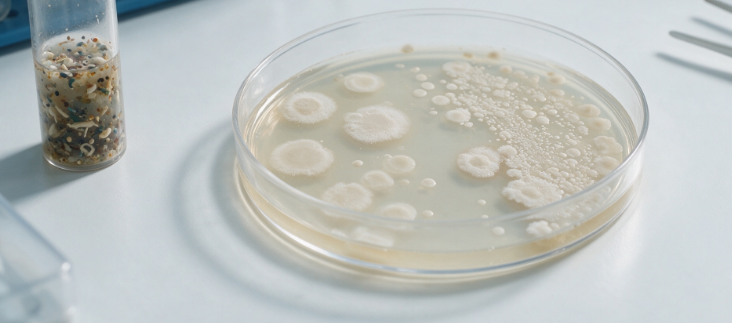
The systematic investigation of microbial competitive growth is fundamental to understanding population dynamics, ecological fitness, and functional outcomes in mixed microbial communities. Whether evaluating the antagonistic potential of a probiotic strain against a pathogen, optimising starter cultures for food fermentation, or assessing the stability of a synthetic microbial consortium, competitive growth experiments provide essential data on how microorganisms interact under defined conditions. These assays are not routine growth curves; they require a carefully controlled experimental design that accounts for initial inoculum ratios, growth medium composition, environmental parameters, and the specific detection and quantification of each participating species. A poorly designed competition assay can lead to misleading conclusions about dominance, underestimation of antagonistic effects, and failure to detect synergistic or neutral interactions. Our ISO/IEC 17025‑accredited and GMP‑compliant laboratory offers a fully integrated microbial competitive growth testing platform, spanning from dual‑strain pairwise competitions to complex multi‑species consortia, with a comprehensive suite of analytical tools for real‑time population monitoring, metabolite profiling, and mechanistic interpretation. We utilise validated culture‑based enumeration, species‑specific qPCR, flow cytometry, and high‑resolution metabolomics to deliver quantitative, traceable interaction profiles. Our expert team of microbial ecologists and bioinformaticians provides robust study design, flawless execution, and clear interpretative reporting, enabling you to understand microbial fitness, predict community behaviour, and optimise formulations for probiotics, biocontrol, and industrial fermentation applications.
1. The Scientific and Industrial Rationale for Competitive Growth Assays
Competitive growth experiments serve multiple critical purposes: (a) to quantify the fitness of a microorganism in the presence of a competitor, expressed as the competitive index (CI) or relative fitness; (b) to evaluate the antagonistic activity of a candidate probiotic or biocontrol agent against a target pathogen; (c) to optimise the composition and stability of mixed starter cultures for fermented foods, beverages, and silage; (d) to assess the ecological impact of a microbial product on the native microbiota; (e) to identify synergistic interactions that enhance overall functionality; and (f) to support regulatory submissions by demonstrating the safety and efficacy of microbial products. The choice of the experimental model – whether pairwise liquid co‑cultures, solid‑surface competition (e.g., agar overlay), or continuous chemostat or turbidostat systems – must be tailored to the organisms, the expected interaction type, and the required throughput. The method must be validated to demonstrate that it is reproducible, sensitive, and capable of distinguishing the target organisms from background flora and from each other. Our service begins with a comprehensive consultation to define the optimal competitive growth strategy, ensuring both scientific rigor and operational relevance.
2. Our Comprehensive Competitive Growth Testing Platform – From Co‑Culture Design to Quantitative Analysis
We maintain a complete, validated workflow for microbial competitive growth assays, all performed in a dedicated microbiology and molecular biology facility with stringent contamination controls, and using certified reference strains for method validation. Our portfolio includes:
2.1 Pairwise and Multi‑Species Co‑Culture Design – Controlled In‑Vitro Competition
We design and execute defined co‑culture experiments under a wide range of conditions (broth, agar, or immobilised systems), with precise control over initial inoculum ratios (e.g., 1:1, 10:1, 1:10), nutrient availability, temperature, pH, and oxygen tension. We perform both batch and continuous (chemostat) competitions to capture different ecological scenarios. We include appropriate monoculture controls for each strain to establish baseline growth kinetics and to correct for inherent growth differences. We provide a detailed experimental protocol, including the rationale for the chosen conditions and the statistical power analysis.
2.2 Species‑Specific Enumeration – Culture‑Based and Molecular Quantification
We quantify each species’ population over time using multiple complementary techniques: (a) selective and differential plating on agar media that distinguish the organisms based on colony morphology, pigmentation, or antibiotic resistance markers; (b) real‑time PCR (qPCR) with species‑specific primers targeting the 16S rRNA or strain‑specific genes, enabling absolute quantification even when the species are phenotypically indistinguishable; (c) droplet digital PCR (ddPCR) for the most precise, standard‑curve‑free absolute quantification; and (d) flow cytometry with fluorescently labelled antibodies or fluorescent proteins (e.g., GFP, RFP) for real‑time, high‑throughput monitoring. We provide the population counts (CFU/mL, cells/mL, or genomic copies/mL) at each time point, with the corresponding statistical uncertainty.
2.3 Competitive Index (CI) and Relative Fitness Calculation – Quantitative Interaction Metrics
We calculate the competitive index (CI) – the ratio of the two species’ populations after co‑culture, normalised to their initial ratio – as a direct measure of the relative fitness. A CI > 1 indicates that species A outcompetes species B; a CI < 1 indicates the opposite. We also calculate the relative fitness (w) using the formula w = (final ratio / initial ratio) for each species, and we provide the 95% confidence intervals from replicate experiments. We also determine the growth rate (µ) and lag phase duration for each species in monoculture and in co‑culture to detect any growth modulation.
2.4 Antagonistic Activity Assessment – Inhibition Zones and Co‑Culture Inhibition
For applications focused on antagonism (e.g., probiotic pathogen inhibition), we perform agar‑based antagonism assays (cross‑streak, agar well diffusion, and disc diffusion) to screen for diffusible inhibitory compounds. We also conduct liquid co‑culture inhibition assays where the target pathogen is grown in the presence of the candidate antagonist, and we determine the percentage inhibition of the pathogen’s growth (or the reduction in its final population) relative to the pathogen‑only control. We provide dose‑response relationships and the minimum inhibitory concentration (MIC) of the antagonist’s supernatant, if applicable.
2.5 Metabolic Profiling and Nutrient Competition – Exometabolomics and Substrate Depletion
We perform targeted and untargeted metabolomics (using LC‑MS and GC‑MS) on the culture supernatants to identify the metabolites that are produced or consumed differentially in the co‑culture versus monoculture. This allows us to detect nutrient competition, cross‑feeding, or the production of inhibitory compounds. We provide a comprehensive metabolic profile, including changes in amino acids, organic acids, sugars, and volatile compounds, and we correlate these changes with the competitive dynamics.
2.6 Biofilm and Surface‑Associated Competition – Solid‑Phase and Adhesion Models
For applications where competition occurs on surfaces (e.g., in the gastrointestinal tract, on catheters, or on food‑contact surfaces), we perform biofilm competition assays using microtiter plates, coupons, or flow‑cell systems. We quantify the relative abundance of each species in the biofilm by plating and by qPCR, and we visualise the spatial distribution using fluorescent labelling and confocal microscopy. We provide the competitive index for the biofilm community and an assessment of the spatial organisation.
2.7 Data Analysis and Interpretation – Statistical Modelling and Interaction Classification
We apply advanced statistical tools to the time‑series data, including generalised linear models (GLMs) and non‑linear mixed‑effects models to describe the growth kinetics. We use Lotka‑Volterra competition models to estimate the interaction coefficients (α and β) that quantify the per‑capita effect of each species on the other. We classify the interaction as antagonistic, synergistic, commensal, amensal, or neutral based on the combined analysis of growth rates, population ratios, and metabolic data. We provide a clear, written summary of the interaction type and its significance.
3. Advanced Capabilities – High‑Throughput Screening, Transcriptomics, and Predictive Modelling
For clients requiring a deeper understanding of the competitive mechanism or a high‑level validation of their microbial products, we offer a suite of customised, research‑grade services that go beyond routine competition assays:
3.1 High‑Throughput Competitive Screening – Microplate‑Based Robotic Systems
We perform high‑throughput competitions using automated liquid‑handling systems and 96‑ or 384‑well plates, allowing us to screen hundreds of strain pairs or environmental conditions in a single run. We use the growth curves (measured by optical density or fluorescence) and end‑point quantification (by qPCR or flow cytometry) to provide a rapid ranking of competitive abilities and to identify the most promising candidates.
3.2 Transcriptomic and Proteomic Profiling – Mechanistic Insight into Competition
We perform RNA‑seq (transcriptomics) and LC‑MS/MS proteomics on samples taken during the exponential and stationary phases of the co‑culture, and we compare the expression profiles with those of the monocultures. This identifies the genes and proteins that are specifically up‑ or down‑regulated in response to competition (e.g., stress response, nutrient uptake, antimicrobial production, or motility). We provide a functional interpretation of the differentially expressed genes and a pathway enrichment analysis.
3.3 Continuous Culture (Chemostat and Turbidostat) – Long‑Term Competition and Evolution
We use continuous culture systems to study competition under constant nutrient supply and removal of waste, allowing long‑term co‑culture (days to weeks) and the observation of adaptive evolution. We monitor the population dynamics by automated sampling and qPCR, and we can recover and characterise evolved strains. This is particularly valuable for studying the stability of consortia and the emergence of new interactions.
3.4 Spatially Structured Competition – 3D Models and Micro‑Agarose Systems
We use micro‑agarose pad systems and 3D collagen scaffolds to simulate the spatial organisation of microbial communities, and we use time‑lapse microscopy to visualise the spatial competition between species. We provide data on the expansion rates, the territorial boundaries, and the effect of spatial structure on the competitive outcome.
3.5 Predictive Modelling – Agent‑Based and Genome‑Scale Metabolic Models
We use the experimental data to calibrate agent‑based models that simulate the individual behaviour of cells and their interactions, and we also use genome‑scale metabolic models (GEMs) to predict the metabolic exchanges and the competitive outcome. We provide a validated model that can be used to predict the performance of new strains or conditions.
3.6 Data Review and Regulatory Submission Support
Our team of experienced microbial ecologists and regulatory specialists can assist you in the interpretation of the competition data, in the preparation of the required documentation for regulatory submissions, and in responding to queries from authorities. We provide a full data package, including the raw growth curves, the qPCR data, the metabolomics results, and the modelling outputs.
4. Data Integrity, Standardisation, and Comprehensive Reporting
All analyses are conducted under a strict quality management system that includes the use of certified reference cultures, routine positive and negative controls, and participation in proficiency testing schemes (where available). Our reports provide:
Full method description – detailing the experimental design, the media, the conditions, the sampling schedule, the enumeration methods, and the statistical analysis.
Detailed results – including the population counts (with uncertainty), the competitive index (CI) with confidence intervals, the relative fitness, the growth rates, the antagonism scores (if applicable), and the metabolic profiling results.
Quality control data – the results of the concurrent controls, confirming the validity of the test run.
Graphical outputs – including growth curves (monoculture vs. co‑culture), CI time‑courses, metabolomic heatmaps, and, where applicable, confocal images.
Interpretative comments – by our senior microbial ecologists, providing an assessment of the competitive interaction type, the underlying mechanisms, the implications for the intended application, and any recommendations for further studies.
Our reports are structured to meet the requirements of regulatory audits and to facilitate a smooth review process. All data are stored in a secure, auditable environment.
Turnaround times: 2‑3 working days for routine pairwise screening, 5‑7 working days for full competition kinetics and CI determination, 1‑2 weeks for metabolomics and transcriptomics, and 2‑3 weeks for continuous culture and modelling studies. Expedited services are available for urgent projects.
5. Why Choose Our Laboratory for Microbial Competitive Growth Assays
We are one of the few laboratories that hold ISO/IEC 17025 accreditation and GMP compliance for the full spectrum of competitive growth testing, covering a wide range of organisms (bacteria, yeasts, and fungi) and a variety of experimental formats. Our integrated infrastructure combines state‑of‑the‑art microbiology facilities, high‑throughput plate readers, qPCR and ddPCR platforms, flow cytometry, metabolomics instruments, and bioinformatics capabilities – enabling cross‑verification of results and a comprehensive, fully defensible testing package. Our team comprises PhD‑level microbial ecologists, molecular biologists, bioinformaticians, and metabolic engineers with extensive experience in method development, validation, and regulatory submissions, and we have supported more than 50 clients in the probiotic, biocontrol, and fermentation industries.
We offer unparalleled flexibility: we work with all types of microbial strains – including proprietary or environmental isolates – and we can adapt to your specific growth conditions, your desired throughput, and your regulatory requirements. Our secure online portal enables real‑time tracking, access to raw data, and downloadable reports.
Our modular pricing ensures cost‑effectiveness: you select the level of analysis – from a simple pairwise screen to a comprehensive mechanistic and modelling study – with discounts for long‑term partnerships and multi‑strain screening programmes. We also provide training, method transfer, and technical consultancy to help you build or strengthen your internal competitive growth testing capabilities.
With a proven history of serving over 70 clients in the food, pharmaceutical, and agricultural sectors, we have enabled our partners to understand microbial interactions, optimise product formulations, and achieve regulatory compliance. We invite you to leverage our expertise for your microbial competitive growth assay needs.
Contact our technical experts today to discuss your strains, your experimental questions, and your specific requirements. We will design a tailored testing plan and provide a detailed proposal within one business day.