Reasons for choosing our testing services
ZHONGXI Testing has obtained inspection qualification certifications from multiple countries and regions worldwide. We possess a senior testing team and advanced testing methods, providing independent, impartial, and professional third-party verification services for global carbon projects.

Internationally recognized authority
Certified by multiple international standards such as CNAS, VCS, and GS, with reports universally applicable worldwide.

Global service capability
Covering 140+ countries and regions, it supports on-site detection and remote verification in multiple languages.

Professional experimental methods
Adopt standard experimental methods to ensure accurate and reliable data.
Advanced Aquatic Microbial Ecology Analysis – Comprehensive Metagenomic and Metabolomic Profiling for Water Quality, Environmental Monitoring, and Ecosystem Assessment
The comprehensive characterisation of aquatic microbial communities is essential for understanding the ecological health of freshwater, marine, and wastewater systems. Microorganisms – including bacteria, archaea, fungi, algae, and viruses – drive nutrient cycling, control water quality, influence the global carbon cycle, and respond sensitively to environmental perturbations. A robust aquatic microbial ecology analysis is not merely a taxonomic inventory; it requires an integrated, multi‑omic strategy that combines high‑throughput amplicon sequencing (16S, 18S, ITS), shotgun metagenomics, metatranscriptomics, and metabolomics to capture the composition, functional potential, and in‑situ metabolic activities of microbial communities. Moreover, the analysis must account for the physicochemical parameters (temperature, pH, salinity, dissolved oxygen, nutrients, and pollutants) and the hydrological dynamics that shape the community. A superficial assessment that relies solely on low‑resolution sequencing can lead to underestimation of functional redundancy, misidentification of keystone species, and failure to detect early warning signs of ecological disturbance. Our ISO/IEC 17025‑accredited and GMP‑compliant laboratory offers a fully integrated aquatic microbial ecology analysis platform, covering the entire spectrum from standardised water sampling and nucleic acid extraction to deep sequencing, advanced bioinformatics, and ecological interpretation. We deliver quantitative, traceable data, including species‑level taxonomic profiles, functional gene repertoires, metabolic pathway activity assessments, and network analyses that reveal the ecological interactions within the aquatic community. Our expert team of aquatic microbiologists, bioinformaticians, and environmental scientists provides comprehensive study design, flawless execution, and clear interpretative reporting, enabling you to assess water quality, monitor environmental impacts, detect contamination sources, and meet the most stringent research and regulatory requirements.
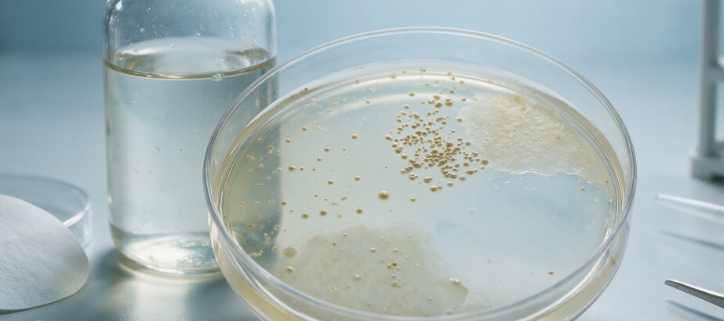
1. The Scientific and Regulatory Rationale for Aquatic Microbial Ecology Analysis
Aquatic microbial ecology analysis serves multiple critical purposes: (a) to characterise the taxonomic and functional diversity of the microbial community, providing a baseline for monitoring changes over time and detecting ecological shifts; (b) to identify keystone species and functional guilds that are essential for nutrient cycling (e.g., nitrogen fixation, nitrification, denitrification, phosphorus cycling) and for the degradation of pollutants; (c) to evaluate the impact of natural and anthropogenic stressors (e.g., eutrophication, pollution, climate change, wastewater discharge) on the aquatic ecosystem; (d) to monitor the effectiveness of water treatment processes and to detect the presence of pathogenic microorganisms or antibiotic resistance genes; (e) to discover novel microbial strains with biotechnological potential (e.g., for bioremediation, bioenergy, or bioproduction); and (f) to support environmental impact assessments and regulatory submissions for water quality management, permitting, and restoration programmes. The choice of analytical approach – whether targeted amplicon sequencing, whole‑metagenome shotgun sequencing, or functional gene arrays – must be tailored to the research or monitoring question, the desired resolution (e.g., genus‑level vs. species‑level), and the need for functional inference. Our service begins with a comprehensive consultation to define the optimal analysis strategy, including the sampling design (spatial and temporal replication), the choice of analytical platforms, and the integration of physicochemical and hydrological data, ensuring both scientific rigor and operational relevance.
2. Our Comprehensive Aquatic Microbial Ecology Analysis Platform – Multi‑Omic and Multi‑Scale
We maintain a complete, validated workflow for aquatic microbial ecology analysis, all performed in a dedicated molecular biology and bioinformatics facility with stringent contamination controls, and using certified reference materials (e.g., microbial community standards, or defined mock communities) for method validation and quality assurance. Our portfolio includes:
2.1 Standardised Water Sampling and Processing – From Field to Lab
We provide validated sampling protocols and kits for water collection, including instructions for depth‑specific sampling, filtration volumes, and preservation (e.g., chemical stabilisation of nucleic acids and metabolites, and cryopreservation). We perform DNA, RNA, and metabolite co‑extraction from the same filter or pellet using optimised, bead‑beating or enzymatic lysis protocols to ensure the lysis of both Gram‑positive and Gram‑negative bacteria, as well as archaea, algae, and fungi. We quantify the nucleic acid yield and purity using fluorometry and spectrophotometry, and we confirm the integrity by gel or capillary electrophoresis.
2.2 High‑Resolution Amplicon Sequencing – 16S, 18S, and ITS rRNA Profiling
We perform amplicon sequencing targeting the 16S rRNA gene (bacteria and archaea), the 18S rRNA gene (micro‑eukaryotes and algae), and the ITS region (fungi), using validated primer sets (e.g., V3‑V4, V4, V9, or custom primers) and dual‑indexed libraries. We sequence on Illumina MiSeq or NovaSeq platforms to achieve high depth (≥ 50,000 reads per sample). Our bioinformatics pipeline includes quality filtering, denoising (DADA2), amplicon sequence variant (ASV) inference, and taxonomic assignment against curated databases (SILVA, PR2, UNITE). We provide the taxonomic composition at all levels, alpha diversity indices (Shannon, Simpson, Chao1, and Faith’s PD), beta diversity metrics (Bray‑Curtis, Jaccard, and UniFrac), and differential abundance analysis.
2.3 Shotgun Metagenomic Sequencing – Functional Gene Repertoire and Strain‑Level Resolution
For a deeper functional characterisation and strain‑level resolution, we perform shotgun metagenomic sequencing (targeting > 10 million reads per sample). Our pipeline includes assembly (MEGAHIT or metaSPAdes), taxonomic classification (MetaPhlAn 4 and Kraken2/Bracken), functional annotation (HUMAnN 3 with KEGG, COG, and MetaCyc), and binning to recover metagenome‑assembled genomes (MAGs). We provide the taxonomic profile, the functional gene abundance, the metabolic pathway coverage, and, where possible, the reconstructed genomes of uncultured organisms. We also perform resistome analysis (using CARD and ResFinder) and virulence factor detection (using VFDB).
2.4 Metatranscriptomics – Active Gene Expression in the Aquatic Community
To capture the actively expressed functions of the aquatic microbiome, we perform metatranscriptomics (RNA‑seq). We deplete ribosomal RNA (using a Ribo‑Zero or custom rRNA depletion strategy) and sequence the remaining mRNA. We quantify the expression of functional genes and pathways, providing a profile of the metabolic activities that are actually occurring in the water at the time of sampling, which is particularly relevant for understanding nutrient cycling, pollutant degradation, and stress responses.
2.5 Metabolomics – Profiling the Aquatic Metabolome
We complement the genetic data with untargeted and targeted metabolomics using LC‑MS/MS and GC‑MS. We characterise the small molecules, organic acids, sugars, amino acids, lipids, and secondary metabolites that are produced by the microbial community and that influence water chemistry, nutrient availability, and ecosystem function. We use databases (e.g., HMDB, METLIN, and KEGG) for identification and, where standards are available, for absolute quantification. We provide a comprehensive metabolic profile that can be integrated with the taxonomic and functional data.
2.6 Ecological and Statistical Analysis – Uncovering Patterns and Drivers
We perform a comprehensive ecological and statistical analysis of the aquatic microbiome data, including: (a) alpha and beta diversity analysis (with PERMANOVA, ANOSIM, and PERMDISP); (b) differential abundance analysis (using DESeq2 and ANCOM‑BC) to identify taxa or functions that are significantly associated with different water conditions, sites, or treatments; (c) co‑occurrence and network analysis (using SPIEC‑EASI) to identify positive and negative interactions between taxa; (d) correlation analysis with physicochemical and hydrological parameters; and (e) machine learning (random forest, gradient boosting) to build predictive models of water quality or ecosystem state. We provide publication‑ready visualisations (heatmaps, ordination plots, network diagrams, and volcano plots) and a clear summary of the key findings.
2.7 Integrated Interpretation – Linking Microbial Composition to Ecosystem Function
We integrate the taxonomic, functional, and metabolic data to provide a holistic interpretation of the aquatic microbial community and its functional capabilities. We identify the key functional guilds (e.g., primary producers, nitrogen cyclers, sulfate reducers, pathogen suppressors), assess the overall functional redundancy, and provide recommendations for water resource management, pollution control, or restoration measures based on the observed community structure and function.
3. Advanced Capabilities – Spatial Profiling, Temporal Dynamics, and Customised Studies
For clients requiring a deeper or more specialised characterisation, we offer a suite of customised, research‑grade services that go beyond standard aquatic microbial analysis:
3.1 Spatial and Depth‑Profiling – Vertical and Horizontal Distribution
We characterise the spatial distribution of the aquatic microbiome at different depths, along transects, and across different water masses. We use geostatistical tools (kriging, variogram analysis) to map the heterogeneity of the microbial community and to identify hotspots of activity or contamination.
3.2 Temporal Profiling – Long‑Term Monitoring and Succession
We perform temporal analyses by sampling the same water body at multiple time points (e.g., across seasons, over years, or after a disturbance). We use time‑series models and state‑transition analysis to identify the successional patterns and the drivers of community change, providing early warning of ecological shifts.
3.3 Biofilm and Particle‑Associated Community Analysis – Distinct Microniches
We specialise in the characterisation of biofilm and particle‑attached communities, which often differ significantly from the free‑living planktonic community. We use specific sampling strategies and extraction protocols to target these niches, providing a complete picture of the aquatic ecosystem.
3.4 Pathogen and Fecal Indicator Tracking – Microbial Source Tracking
We provide targeted detection and quantification of faecal indicator bacteria (e.g., E. coli, enterococci) and waterborne pathogens (e.g., Salmonella, Campylobacter, Legionella) using qPCR, metagenomics, and specific marker genes. We can also perform microbial source tracking to identify the origin of contamination (e.g., human, livestock, or wildlife).
3.5 Functional Gene Array – Rapid, High‑Throughput Functional Profiling
For targeted functional gene assessment, we use GeoChip or custom functional gene arrays that cover thousands of genes involved in biogeochemical cycling, pollutant degradation, and stress response. This provides a cost‑effective complement to shotgun metagenomics for specific functional questions.
3.6 Stable Isotope Probing – Linking Identity to Metabolic Activity
We perform stable isotope probing (using ¹³C‑ or ¹⁵N‑labelled substrates) to identify the specific taxa that are actively assimilating a particular substrate (e.g., organic carbon, nitrogen, or a pollutant). This links taxonomic identity to specific metabolic activities, providing definitive evidence of function.
4. Data Integrity, Standardisation, and Comprehensive Reporting
All analyses are conducted under a strict quality management system that includes the use of certified reference materials, routine controls (including extraction blanks, PCR blanks, and positive controls), and participation in proficiency testing schemes. Our reports provide:
- Full method description – detailing the sampling, filtration, DNA/RNA extraction, library preparation, sequencing platform, and bioinformatics pipeline.
- Detailed results – including the taxonomic composition (relative abundance at phylum, class, family, genus, and species levels), the functional gene repertoire, the metabolic pathway activity, the alpha/beta diversity, the differential abundance, and the network analysis.
- Quality control data – the results of the concurrent controls, confirming the validity of the run.
- Graphical outputs – including taxonomic bar plots, diversity curves, ordination plots, heatmaps, network diagrams, and, where appropriate, spatial maps.
- Interpretative comments – by our senior aquatic microbiologists and environmental scientists, providing a comprehensive summary of the findings, the ecological significance, and the recommendations for water management, pollution control, or further research.
Our reports are structured to meet the requirements of research publications, regulatory submissions, and internal quality assurance. All data are stored in a secure, auditable environment.
Turnaround times: 2‑3 weeks for 16S/18S amplicon profiling, 3‑4 weeks for shotgun metagenomics, 4‑5 weeks for metatranscriptomics, and 4‑6 weeks for multi‑omics integration. Expedited services are available for urgent projects.
5. Why Choose Our Laboratory for Aquatic Microbial Ecology Analysis
We are one of the few laboratories that hold ISO/IEC 17025 accreditation and GMP compliance for the full spectrum of aquatic microbiome analysis methods, covering amplicon sequencing, shotgun metagenomics, metatranscriptomics, and metabolomics. Our integrated infrastructure combines state‑of‑the‑art sequencing platforms, high‑resolution mass spectrometers, and a powerful bioinformatics cluster – enabling cross‑verification of results and a comprehensive, systems‑level understanding of the aquatic microbial community. Our team comprises PhD‑level aquatic microbiologists, bioinformaticians, and environmental scientists with extensive experience in method development, validation, and data interpretation, and we have supported more than 70 clients in the water quality monitoring, environmental consulting, and biotechnology sectors.
We offer unparalleled flexibility: we work with all types of water matrices (freshwater, marine, brackish, wastewater, and drinking water) and all types of samples (planktonic, biofilm, sediment, and particle‑associated) – and we can adapt to your specific research questions, your monitoring design, and your regulatory requirements. Our secure online portal enables real‑time tracking, access to raw data, and downloadable reports.
Our modular pricing ensures cost‑effectiveness: you select the level of analysis – from a simple 16S screen to a full multi‑omics characterisation – with discounts for long‑term partnerships and multi‑sample projects. We also provide training, method transfer, and technical consultancy to help you build or strengthen your internal aquatic microbiology capabilities.
With a proven history of serving over 90 clients in the water quality, environmental, and biotechnology sectors, we have enabled our partners to characterise aquatic microbial communities in unprecedented detail, identify the drivers of water quality and ecosystem health, and develop evidence‑based management strategies. We invite you to leverage our expertise for your aquatic microbial ecology analysis needs.
Contact our technical experts today to discuss your water samples, your monitoring or research objectives, and your specific requirements. We will design a tailored analysis plan and provide a detailed proposal within one business day.