Reasons for choosing our testing services
ZHONGXI Testing has obtained inspection qualification certifications from multiple countries and regions worldwide. We possess a senior testing team and advanced testing methods, providing independent, impartial, and professional third-party verification services for global carbon projects.
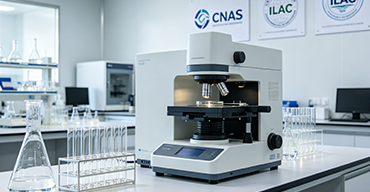
Internationally recognized authority
Certified by multiple international standards such as CNAS, VCS, and GS, with reports universally applicable worldwide.

Global service capability
Covering 140+ countries and regions, it supports on-site detection and remote verification in multiple languages.
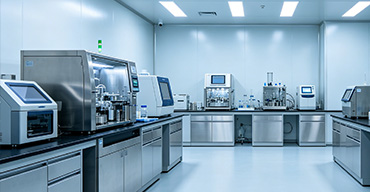
Professional experimental methods
Adopt standard experimental methods to ensure accurate and reliable data.
Comprehensive Characterization and Performance Assessment of Calcium-Based Adsorbents for CO2 Capture – Specialized Testing Services
Calcium-based adsorbents, primarily derived from natural limestone, dolomite, or synthetic CaO–CaCO3 systems, remain among the most promising candidates for high-temperature CO2 capture in pre-combustion and post-combustion processes, as well as in calcium-looping (CaL) cycles. Their appeal lies in the high theoretical CO2 uptake capacity (up to 0.786 g CO2 per g CaO), low raw material cost, and reversible carbonation–calcination reactions. However, the practical viability of these adsorbents is severely challenged by sintering-induced pore collapse, loss of reactive surface area, and mechanical attrition over multiple cycles, particularly under industrially relevant conditions involving high temperatures, steam, and impurities such as SO2 and HCl. If you are searching for testing services for Ca-based CO2 adsorbents, you are likely at a decisive stage where accurate, multi-parametric evaluation is essential to compare synthesis routes, optimize doping strategies, validate long-term cyclic stability, or assess the effectiveness of pelletization and shaping. This article details our comprehensive analytical capabilities, the technical sophistication we bring to every project, and the distinct advantages that make us a preferred partner for research institutions, engineering firms, and industrial operators worldwide.
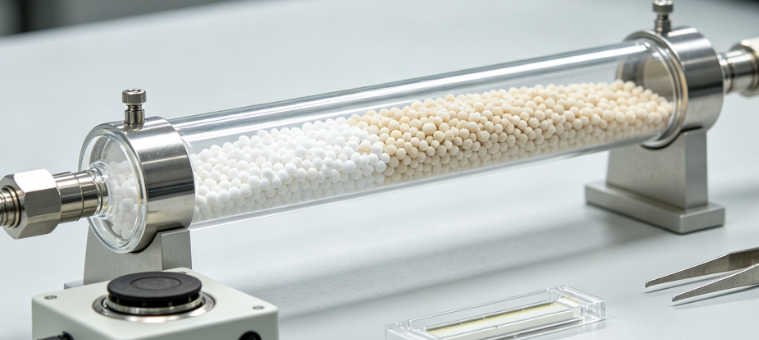
Why In-Depth Testing of Calcium-Based CO2 Adsorbents Is Indispensable
CaO-based sorbents undergo complex physico-chemical transformations during carbonation (CaO + CO2 → CaCO3) and calcination (CaCO3 → CaO + CO2). These reactions are governed by grain morphology, pore structure, crystallite size, and the presence of inert spacers (e.g., MgO, Al2O3, or ZrO2) that hinder sintering. Moreover, the carbonation kinetics are often controlled by a rapid chemically controlled stage followed by a slow diffusion-limited stage, which is highly sensitive to the product layer thickness and the distribution of basic sites. Beyond the intrinsic material properties, performance under real-world conditions—such as the presence of steam (which enhances carbonation but may accelerate sintering), SO2 (which forms irreversible CaSO4), and thermal cycling stress—must be systematically quantified. Therefore, a hierarchical testing strategy that combines fundamental physico-chemical characterization with dynamic reactor tests and post-mortem analysis is not optional; it is a scientific and engineering necessity. Our service is precisely designed to deliver this integrated assessment, providing you with the critical data needed to predict, improve, and qualify your Ca-based adsorbent for pilot or commercial deployment.
Our Full-Spectrum Analytical Capabilities for Calcium-Based Adsorbents
We apply a comprehensive suite of complementary techniques, each optimized to reveal a distinct aspect of Ca-based adsorbent performance. Our workflow covers bulk phase evolution, surface chemistry, textural stability, mechanical integrity, and cyclic reaction behavior under simulated and actual process conditions.
1. Phase Composition and Crystallographic Evolution: We employ high-resolution X-ray diffraction (HR-XRD) with in-situ high-temperature attachments (up to 1100 °C) to track the carbonation/calcination phase transitions in real time. Rietveld refinement provides quantitative phase fractions of CaO, CaCO3, and any dopant phases (e.g., MgO, mayenite). For amorphous or poorly crystalline components, we utilize pair distribution function (PDF) analysis via synchrotron X-ray total scattering, enabling detection of local structural changes that precede macroscopic sintering. Additionally, we perform temperature-dependent XRD to determine the thermal expansion coefficients and evaluate the thermodynamic stability of the sorbent framework.
2. Pore Structure and Surface Area Evolution: Nitrogen physisorption at 77 K is conducted using a fully automated volumetric system, delivering BET surface area, total pore volume, and BJH/DFT pore-size distributions. Importantly, we carry out these measurements before and after multiple carbonation–calcination cycles to assess textural degradation. For macroporous structures (e.g., derived from natural limestone), we add mercury intrusion porosimetry to capture the full pore range down to 3 nm. We also provide argon physisorption at 87 K for improved resolution in micropore region, and helium pycnometry for true skeletal density, enabling calculation of porosity and tortuosity—key factors for CO2 diffusion.
3. Surface Basicity and CO2 Affinity: Temperature-programmed desorption of CO2 (CO2-TPD) with online mass spectrometry is used to quantify the density and strength of basic surface sites. We differentiate weak (physi-sorbed), moderate (bidentate carbonate), and strong (unidentate carbonate) sites by deconvoluting desorption peaks. To provide mechanistic insight, we couple TPD with in-situ diffuse reflectance infrared Fourier transform spectroscopy (DRIFTS) during CO2 adsorption, identifying the surface carbonate species and their thermal stability. For quantitative thermodynamic parameters, we measure adsorption isotherms at multiple temperatures (e.g., 300, 400, 500 °C) and derive isosteric heat of adsorption via the Clausius–Clapeyron equation, offering a direct measure of the adsorbent–CO2 interaction strength.
4. Chemical State and Elemental Distribution: X-ray photoelectron spectroscopy (XPS) is performed with monochromatic Al Kα radiation to determine surface Ca/Si, Ca/Mg, or Ca/Al ratios, as well as the oxygen chemical environment (lattice O2−, hydroxyl OH−, and carbonate CO32−). Depth profiling using argon cluster sputtering reveals the chemical heterogeneity from the outer surface to the bulk, which is crucial for understanding sintering or poisoning layers. For elemental mapping at the microscale, we employ energy-dispersive X-ray spectroscopy (EDS) in scanning electron microscopy (SEM) and time-of-flight secondary ion mass spectrometry (ToF-SIMS) to detect dopant segregation or impurity accumulation (e.g., S, Cl) after exposure to flue gases.
5. Mechanical Strength and Attrition Resistance: For pelletized, extruded, or granulated adsorbents, we perform crush strength testing (single-pellet compression) and abrasion/attrition tests according to ASTM D5757 or similar standards, delivering quantitative indices such as the attrition index (AI) and friability. We also use acoustic emission monitoring during thermal cycling to detect micro-cracking events, providing early warning of mechanical failure that is often missed by post-mortem analysis alone.
6. Dynamic Cyclic CO2 Capture Performance: Our custom-designed thermogravimetric analyzer (TGA) with a humidified gas supply enables multi-cycle (up to 500 cycles) carbonation–calcination testing under controlled atmospheres (CO2, N2, O2, H2O, and trace SO2/HCl). We measure conversion (XN), capture capacity (mg CO2/g sorbent), and decay rate constants over cycles, fitting the data to empirical models (e.g., the power-law decay model) to predict long-term performance. In parallel, we operate a lab-scale fixed-bed reactor with online NDIR CO2 analysis to perform breakthrough experiments, determining utilization efficiency, mass transfer coefficient, and pressure drop at relevant gas hourly space velocities (GHSV). For isothermal carbonation kinetics, we provide kinetic parameters (rate constants and activation energies) using the shrinking core model or grain model, giving you a robust basis for reactor design.
7. Advanced Operando and Post-Mortem Diagnostics: To elucidate degradation mechanisms, we offer operando Raman spectroscopy during carbonation/calcination, revealing the transformation of carbonate species and the evolution of CaO crystallinity in real time. Additionally, we perform environmental transmission electron microscopy (ETEM) with a gas cell to observe morphological changes at the nanoscale during CO2 exposure. For post-cycling analysis, we carry out X-ray micro-computed tomography (µ-CT) to reconstruct 3D pore networks and quantify changes in porosity and connectivity, providing visual and quantitative evidence of sintering or pore blockage.
Beyond Standard Testing – Our Advanced Modeling and Predictive Analytics
Our service goes beyond delivering raw experimental data. We integrate experimental results with computational modelling to provide predictive insights. Specifically, we employ density functional theory (DFT) calculations to compute the binding energies of CO2 on different CaO surfaces (e.g., (100), (110), (111)) and defect sites, correlating these with observed TPD profiles. We also use population balance models to simulate particle size evolution during sintering and finite element analysis to predict stress distribution in pelletized sorbents under thermal cycling. This multiscale approach allows us to identify the dominant degradation mechanism (sintering vs. pore-mouth blockage) and propose targeted mitigation strategies, such as optimal dopant concentration or pretreatment conditions.
Furthermore, we offer high-throughput screening of compositional libraries (e.g., CaO–MgO–Al2O3 ternary systems) using automated TGA arrays, enabling rapid down-selection of promising candidates. Our statistical package includes multivariate analysis (PCA, PLS) to correlate synthesis parameters (calcination temperature, precursor ratio, aging time) with cyclic performance, giving you a data-driven roadmap for optimization.
For clients targeting specific industrial conditions, we design customized deactivation protocols—for example, exposing the sorbent to synthetic flue gas containing 10–20% CO2, 5–15% H2O, and 200–1000 ppm SO2 at 650–850 °C, followed by thorough post-mortem characterization (XRD, XPS, BET, SEM-EDS) to pinpoint the exact poisoning or sintering pathways. Such detailed forensic analysis is rarely available elsewhere but is indispensable for troubleshooting and improving material resilience.
Our Distinctive Advantages in Calcium-Based Adsorbent Testing
Our laboratory has cultivated a strong reputation in the carbon capture community through a combination of cutting-edge infrastructure, domain expertise, and client-centric service. The following advantages set us apart:
Advantage 1 – Fully Integrated, In-House Instrumentation: We house all essential analytical and reactor systems under one roof, including high-temperature TGA, fixed-bed and fluidized-bed reactors, XRD, XPS, SEM, TEM, and BET. This eliminates logistics delays and cross-contamination risks, and allows for seamless data correlation—the same sample batch can be characterized by multiple techniques without intermediate storage variables.
Advantage 2 – Tailored Test Protocols Reflecting Real Applications: We understand that a Ca-based sorbent for cement kilns faces different challenges than one for steel mills or power plants. Our scientists work with you to define the gas composition, temperature ramps, cycle durations, and mechanical loads that match your specific process. We adapt our reactor designs and analytical settings accordingly, ensuring that your results are directly translatable to your target application.
Advantage 3 – Superior Accuracy and Measurement Traceability: All instruments are calibrated using NIST-traceable standards, and we maintain rigorous internal quality control with regular inter-laboratory comparisons. We report uncertainties for every key parameter (e.g., ± 2% for capacity, ± 1 °C for TPD, ± 0.5 m2/g for BET) so you can confidently compare your materials against literature or commercial benchmarks.
Advantage 4 – Expert Interpretation and Science-Driven Reporting: Our team includes senior scientists with decades of experience in calcium-looping, sorbent design, and heterogeneous kinetics. We do not merely provide a data dump; we deliver a comprehensive report that includes contextual analysis—benchmarking your sorbent against state-of-the-art CaO-based materials, discussing the mechanistic implications of your results, and offering actionable recommendations for improvement. This level of intellectual engagement is invaluable for high-impact publications and patent applications.
Advantage 5 – Rapid Turnaround and Agile Project Management: Standard projects are completed within 12–18 working days, with express options for urgent needs. You are assigned a dedicated project coordinator who provides weekly progress updates, alerts you to any unexpected observations, and adjusts the plan if necessary. We also offer interim reports for long-term projects to keep you informed at every stage.
Advantage 6 – Global Reach with Local Convenience: We maintain sample receiving centers in North America, Europe, and Asia-Pacific, simplifying international shipping. Our secure online portal allows you to upload project files, track sample status, and download final reports in multiple formats (PDF, Excel, raw data files). We also provide optional data storage for up to seven years, enabling retrospective analysis.
Who Relies on Our Testing Services
Our client base spans university research groups investigating novel doping strategies or synthetic routes; engineering companies developing pilot-scale calcium-looping units; cement and lime producers evaluating sorbent performance for carbon capture retrofits; energy utilities assessing sorbents for integrated gasification combined cycle (IGCC) or oxy-fuel combustion; and environmental agencies requiring independent verification for regulatory compliance. We also support suppliers of natural and synthetic sorbents who need to qualify their products for commercial contracts.
Technical Performance Benchmarks
To illustrate the precision of our measurements, we provide typical performance indicators:
- TGA baseline stability: ± 2 µg over 24 hours, enabling accurate mass change detection down to 10 µg.
- XRD angular resolution: 0.015° 2θ, with detection limits for minor phases < 0.5 wt%.
- BET surface area reproducibility: ± 0.3 m2/g for standard reference materials.
- CO2-TPD reproducibility: peak temperature within ± 2 °C and peak area within ± 1.5% RSD.
- Breakthrough curve capacity precision: RSD ≤ 2.5% for identical samples.
- Attrition index reproducibility: ± 0.5 percentage points.
- Cyclic test automation: Fully unattended operation for up to 500 cycles with real-time data logging.
These performance levels ensure that even incremental improvements—such as a 2% increase in residual conversion or a 10% reduction in attrition—are reliably captured and statistically validated.
Engagement Process and Project Initiation
Initiating a project is efficient and transparent. It starts with a complimentary technical consultation where we discuss your adsorbent's composition, preparation method, intended operating conditions, and your primary questions. Based on this, we propose a customized testing matrix with a clear cost breakdown and projected timeline. After your agreement, we provide detailed sample submission guidelines (recommended mass, particle size, packaging). Upon sample arrival, we perform a preliminary quality check before launching the full workflow. Throughout the project, you receive regular updates, and at the end, we deliver a final integrated report that includes all raw data, processed results, statistical analyses, and expert interpretation. We also offer follow-up sessions to clarify any findings and discuss next steps.
Quality Assurance and Safety Compliance
Our operations adhere to ISO 9001:2015 and ISO 14001:2015 standards. We maintain full electronic records for every instrument and sample, ensuring complete traceability. Given the alkaline nature of CaO-based materials, we follow strict safety protocols for handling, storage, and waste disposal, in line with local and international regulations. Our laboratory is regularly audited by accredited bodies, and we are committed to the highest ethical standards in data generation and reporting.
Conclusion – Unlock the True Potential of Your Calcium-Based Adsorbent
As the demand for efficient and durable CO2 capture technologies intensifies, the ability to accurately characterize and predict the performance of Ca-based adsorbents becomes a strategic asset. Whether you are refining a novel composite, optimizing a doping level, or qualifying a commercial product, our comprehensive testing service provides the scientific rigor, technical depth, and actionable insights you need to advance with confidence. We combine state-of-the-art instrumentation with profound domain knowledge to offer not just data, but understanding—guiding you towards more resilient, high-capacity, and cost-effective sorbents.
We invite you to contact our team of specialists to discuss your specific project requirements. With our proven track record in calcium-looping materials, we are uniquely positioned to accelerate your research and development timeline, reduce technical risks, and help you achieve your carbon capture goals.
Arrange your free initial consultation now and experience the advantage of expert-led, integrated characterization for your Ca-based CO2 adsorbent.