Reasons for choosing our testing services
ZHONGXI Testing has obtained inspection qualification certifications from multiple countries and regions worldwide. We possess a senior testing team and advanced testing methods, providing independent, impartial, and professional third-party verification services for global carbon projects.

Internationally recognized authority
Certified by multiple international standards such as CNAS, VCS, and GS, with reports universally applicable worldwide.

Global service capability
Covering 140+ countries and regions, it supports on-site detection and remote verification in multiple languages.

Professional experimental methods
Adopt standard experimental methods to ensure accurate and reliable data.
Comprehensive Characterization and Performance Testing of HPPO Catalysts – Specialized Analytical Services
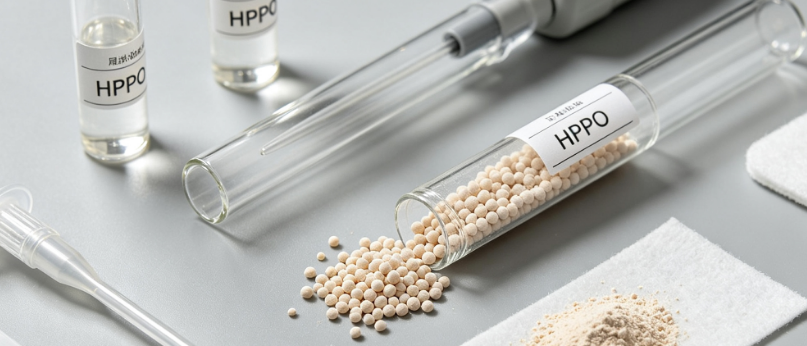
The hydrogen peroxide to propylene oxide (HPPO) process represents a milestone in green chemical synthesis, offering a highly atom-efficient and environmentally benign route to propylene oxide (PO) using H2O2 as the oxidant over heterogeneous catalysts—most notably titanium‑silicalite‑1 (TS‑1) and related titanosilicate materials. The commercial success of HPPO hinges critically on the catalyst’s active titanium content, framework integrity, hydrophobicity, acid‑base properties, and resistance to deactivation under industrially relevant conditions. If you are searching for HPPO catalyst testing services, you are likely at a decisive phase where accurate, multi‑dimensional characterisation is required to validate a new synthesis protocol, optimise titanium loading, benchmark performance against reference catalysts, diagnose deactivation causes in a working reactor, or scale up from laboratory to pilot plant. This article describes our comprehensive analytical and catalytic testing portfolio, the scientific depth we provide, and the key advantages that make us a preferred partner for catalyst manufacturers, chemical companies, and research groups working on the HPPO technology.
The Scientific Imperative for Thorough HPPO Catalyst Testing
TS‑1 and related titanosilicates are complex materials whose catalytic performance is governed by a delicate balance of factors: the amount and distribution of isolated tetrahedral Ti(IV) in the MFI framework (which forms the active epoxidation sites), the presence of extra‑framework Ti species that promote non‑selective H2O2 decomposition, the accessibility of the active sites to the bulky propylene and H2O2 molecules, which depends on crystal size, pore architecture, and surface hydrophobicity, and the stability of the Ti‑O‑Si bonds under reaction and regeneration conditions. Moreover, in commercial practice, catalysts are exposed to methanol solvent, water, and traces of acids, leading to gradual leaching of Ti, dealumination (if Al is present), or coke deposition. Therefore, a holistic testing programme that integrates bulk and surface chemical analysis, crystallographic characterisation, textural assessment, catalytic activity and selectivity measurements, and deactivation/regeneration studies is essential. Our service is tailored to provide this integrated view, enabling you to correlate catalyst structure with performance and make data‑driven decisions for process improvement.
Our Comprehensive Analytical and Catalytic Testing Capabilities for HPPO Catalysts
We apply a broad suite of complementary techniques, each optimised to address a specific aspect of HPPO catalysts—from the atomic level to the reactor scale.
1. Titanium Speciation and Framework Integrity: The key to HPPO activity is isolated tetrahedral Ti(IV). We employ UV‑Vis diffuse reflectance spectroscopy (DRS) to quantify the ratio of framework Ti (absorption at ~220 nm) vs. extra‑framework anatase-like Ti (absorption > 300 nm). Fourier‑transform infrared spectroscopy (FTIR) with pyridine or NH3 adsorption is used to probe the Lewis acidity associated with framework Ti. For definitive speciation, we perform X‑ray absorption near‑edge structure (XANES) and extended X‑ray absorption fine structure (EXAFS) at the Ti K‑edge—available through our synchrotron partnerships—to determine the Ti coordination number, Ti–O bond distances, and the presence of Ti–O–Si vs. Ti–O–Ti linkages. This provides an unambiguous measure of framework incorporation.
2. Crystallographic Phase and Microstructure: High‑resolution powder X‑ray diffraction (HR‑XRD) is used to identify the MFI structure, quantify the degree of crystallinity, and detect any impurity phases (e.g., anatase, quartz). Rietveld refinement gives precise lattice parameters and occupancy factors for Ti sites. For nanocrystalline or poorly crystalline materials, we offer pair distribution function (PDF) analysis to reveal local structure even in the absence of long‑range order. We also use transmission electron microscopy (TEM) combined with energy‑dispersive X‑ray spectroscopy (EDS) to visualise crystal morphology, particle size distribution, and any surface segregation of Ti.
3. Surface Hydrophobicity and Acid‑Base Properties: HPPO catalysts benefit from a balance of hydrophobic and hydrophilic surface domains. We measure water contact angle and perform water and methanol adsorption isotherms to quantify surface affinity. The surface acidity is evaluated by temperature‑programmed desorption of isopropylamine (TPD‑IPA) or ammonia TPD, while pyridine‑adsorbed FTIR distinguishes Brønsted and Lewis acid sites—both of which can influence side reactions (e.g., ring opening, glycol formation).
4. Textural Properties and Diffusion Accessibility: Nitrogen physisorption at 77 K provides BET surface area, micropore volume, and pore‑size distribution (via DFT models). Since the HPPO reaction is diffusion‑sensitive, we also measure effective diffusivity using the zero‑length column (ZLC) method or uptake rate studies with propylene or methanol, giving insight into transport limitations that affect selectivity and catalyst utilisation.
5. Chemical Composition and Elemental Homogeneity: Bulk Ti and Si contents are determined by ICP‑OES or ICP‑MS after microwave digestion. Surface elemental composition and the Ti/Si ratio are measured by X‑ray photoelectron spectroscopy (XPS), which also reveals the oxidation state of Ti (Ti4+ vs. Ti3+) and the presence of carbonaceous deposits or adsorbed species. For spatial mapping, we use time‑of‑flight secondary ion mass spectrometry (ToF‑SIMS) to image the distribution of Ti and other elements at the particle level.
6. Catalytic Performance Evaluation under Realistic Conditions: Our custom‑built, automated fixed‑bed and slurry‑reactor systems allow HPPO reaction testing at controlled temperature (30–80 °C), pressure (1–20 bar), and feed compositions (propylene/H2O2 molar ratio, methanol/water ratio). On‑line gas chromatography (GC‑FID, GC‑TCD) and high‑performance liquid chromatography (HPLC) quantify propylene oxide (PO) yield, H2O2 conversion and efficiency, and selectivity to PO vs. by‑products (propylene glycol, glycol ethers, etc.). We also measure the turnover frequency (TOF) per Ti site by combining activity data with Ti speciation from XANES, providing a true intrinsic activity metric.
7. Stability, Deactivation, and Regeneration Studies: We perform long‑term (up to 1000 hours) on‑stream tests with periodic sampling to track activity and selectivity decay. Post‑reaction characterisation (XRD, XPS, UV‑Vis, TEM) identifies deactivation mechanisms—e.g., coke deposition, Ti leaching, hydrothermal dealumination, or phase transformation. We then test regeneration protocols (calcination in air, oxidative treatment with ozone, or solvent washing) and re‑evaluate performance to determine regenerability and optimal regeneration conditions.
Advanced Diagnostics – Beyond Routine Catalyst Testing
Our service goes beyond conventional activity screening by integrating experimental data with kinetic modelling and computational chemistry. We derive reaction rate expressions for PO formation and H2O2 decomposition, including the effect of mass transfer, using our proprietary kinetic software. We also perform density functional theory (DFT) calculations to model the epoxidation mechanism on different Ti sites, correlating activation barriers with observed selectivities. For industrial clients, we provide predictive deactivation models that estimate catalyst lifetime under varying operating conditions, enabling better scheduling of regeneration and replacement.
Furthermore, we offer operando Raman and operando UV‑Vis spectroscopy during the HPPO reaction to monitor the evolution of Ti peroxo species and the formation of coke in real time, giving mechanistic insight that cannot be obtained from ex‑situ analysis alone. We also provide high‑pressure in‑situ FTIR to track the adsorption of propylene and H2O2 under reaction conditions.
Our Distinctive Advantages in HPPO Catalyst Testing
Our laboratory has accumulated extensive expertise in titanosilicate and zeolite catalysis, and we offer several unique strengths that set us apart:
Advantage 1 – Integrated One‑Stop Platform: We house all essential instruments—from XPS, XRD, and TEM to UV‑Vis, FTIR, TGA, BET, and multi‑reactor systems—under one roof. This eliminates sample handling delays, minimises external variables, and allows seamless data correlation across techniques, ensuring consistency and reliability.
Advantage 2 – Customised Protocols for Your Specific Material and Process: We recognise that HPPO catalysts vary widely in Si/Ti ratio, crystal size, synthesis method, and even binder content (for shaped catalysts). We tailor our testing conditions (temperature, pressure, solvent composition, feed flow) to match your targeted industrial or pilot operation, so that the results are directly applicable.
Advantage 3 – Unmatched Speciation Capabilities: Our access to synchrotron XAS and our in‑house expertise in EXAFS modelling allow us to provide a definitive answer on Ti coordination and framework insertion—a capability rarely available in commercial testing labs. This is often the key to explaining differences in activity among otherwise similar samples.
Advantage 4 – Expert Interpretation and Benchmarking: Our scientists have published extensively on HPPO catalysis and are familiar with the nuances of PO selectivity, H2O2 efficiency, and deactivation pathways. We provide a comprehensive report that not only presents data but also interprets it in the context of state‑of‑the‑art literature, compares your catalyst with reference materials, and offers practical recommendations for improvement.
Advantage 5 – Fast Turnaround with Proactive Communication: Most projects are completed within 12–15 working days, with expedited options. You will be assigned a dedicated project scientist who provides regular updates, shares preliminary results, and adjusts the plan if needed. We also offer interim reports for long‑term stability tests.
Advantage 6 – Global Logistics and Confidentiality: With sample reception centres in North America, Europe, and Asia‑Pacific, we simplify international shipping. Our secure online portal ensures full confidentiality and easy access to final reports (PDF, Excel, raw data). We sign NDAs upon request.
Who Benefits from Our Services
Our testing solutions are designed for catalyst manufacturers developing new TS‑1 or Ti‑beta formulations; chemical companies operating HPPO plants or pilot units seeking to optimise performance and troubleshoot deactivation; research institutes exploring novel Ti‑silica systems or alternative synthesis routes; engineering contractors designing HPPO reactors who need reliable kinetic and stability data; and regulatory or quality assurance bodies requiring independent verification of catalyst specifications.
Performance Benchmarks and Technical Specifications
To illustrate the precision of our measurements, we highlight typical performance indicators:
- XANES/EXAFS data quality: energy resolution < 1.5 eV at Ti K‑edge, EXAFS spectra up to k = 16 Å−1.
- UV‑Vis DRS repeatability: ± 0.5% for peak area ratio (framework/extraframework Ti).
- GC analysis for PO: detection limit < 10 ppm, reproducibility ± 1% relative.
- H2O2 titration precision: ± 0.5% (ceric sulfate method).
- BET surface area reproducibility: ± 0.5 m2/g for reference zeolites.
- XRD crystallinity index: ± 1% relative.
- TOF determination: combined error < 5% when using XANES Ti quantification.
These capabilities ensure that even subtle differences—e.g., a 2% change in framework Ti fraction or a 3% drop in PO selectivity—are reliably captured and statistically significant.
How to Initiate a Project
Engaging our service is simple and transparent. It begins with a complimentary consultation where we discuss your catalyst, its history, your specific objectives (e.g., synthesis validation, performance ranking, deactivation diagnosis, or regeneration optimisation). We then propose a tailored testing programme with a detailed quotation and timeline. After your agreement, we provide sample submission guidelines (mass, packaging, handling). Upon receipt, we perform an initial quality check and proceed with the agreed workflow. You receive regular progress reports and a final comprehensive report, followed by a debriefing session to discuss implications and next steps.
Quality Assurance and Safety
Our laboratory operates under ISO 9001 and ISO 17025 quality systems. All data are recorded in electronic notebooks with full traceability. We follow strict safety protocols for handling hydrogen peroxide and organic solvents, and we ensure proper waste disposal in accordance with environmental regulations. We maintain complete confidentiality for all proprietary samples and data.
Conclusion – Accelerate Your HPPO Catalyst Development with Expert Characterisation
The HPPO process offers a sustainable pathway to propylene oxide, but its economic viability hinges on catalyst performance and longevity. Our comprehensive testing service provides the scientific depth, analytical precision, and industrial relevance needed to select, optimise, and qualify HPPO catalysts with confidence. We combine cutting‑edge spectroscopies with realistic reaction testing and advanced data modelling to deliver not just results, but understanding.
We invite you to contact our specialist team to discuss your HPPO catalyst characterisation needs. With our proven track record in titanosilicate catalysis, we are well‑positioned to support your R&D, quality control, and troubleshooting efforts.
Request your free initial consultation today and discover how our integrated testing services can help you achieve superior HPPO catalyst performance.