Reasons for choosing our testing services
ZHONGXI Testing has obtained inspection qualification certifications from multiple countries and regions worldwide. We possess a senior testing team and advanced testing methods, providing independent, impartial, and professional third-party verification services for global carbon projects.

Internationally recognized authority
Certified by multiple international standards such as CNAS, VCS, and GS, with reports universally applicable worldwide.

Global service capability
Covering 140+ countries and regions, it supports on-site detection and remote verification in multiple languages.

Professional experimental methods
Adopt standard experimental methods to ensure accurate and reliable data.
Advanced Analytical Assessment of Chromium Ion Adsorption Materials: State-of-the-Art Testing for Water Treatment and Environmental Remediation
Chromium contamination, predominantly in the hexavalent [Cr(VI)] and trivalent [Cr(III)] forms, poses a severe threat to aquatic ecosystems and human health due to its high toxicity, carcinogenicity, and environmental persistence. The development of efficient adsorption materials – including modified clays, carbonaceous sorbents, metal–organic frameworks (MOFs), layered double hydroxides (LDHs), and nanostructured oxides – has become a central focus in environmental chemistry. However, the performance of these materials is critically governed by multiple interrelated factors: surface area, pore architecture, surface charge distribution, the density and type of active functional groups (amine, carboxyl, thiol, hydroxyl), redox activity toward Cr(VI) reduction, and the stability of immobilized Cr species under varying hydrochemical conditions. Reliable, multi-dimensional characterization is therefore indispensable for material screening, mechanism elucidation, process optimization, and regulatory compliance. Our fully accredited laboratory offers a comprehensive, mechanistic-driven testing service specifically architected for chromium-adsorbing materials, providing insights that transcend routine batch experiments and empower evidence-based engineering decisions.
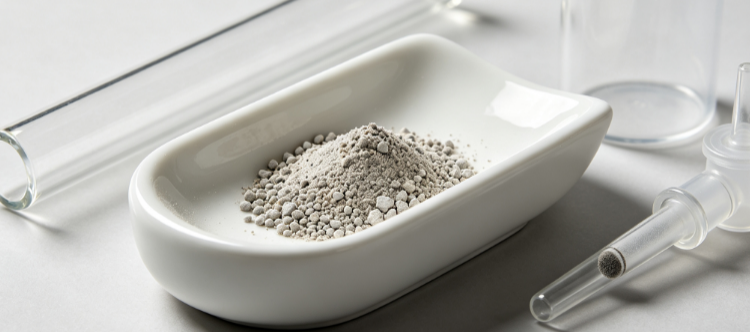
Why Specialized Testing Is Essential for Chromium Adsorption Materials
Clients seeking our analytical services typically aim to: (i) validate the adsorption efficacy of newly synthesized sorbents under realistic water matrices, (ii) distinguish between Cr(VI) reduction and direct adsorption pathways – a critical distinction for long-term stability, (iii) diagnose performance decline in field-deployed materials caused by competing ions (sulfate, nitrate, bicarbonate) or natural organic matter, (iv) optimize regeneration protocols while preserving structural integrity, or (v) generate high-quality data for patent applications and environmental risk assessments. Standard single-parameter isotherm studies are insufficient because chromium speciation, redox transformations, and surface complexation are pH- and potential-dependent. Our testing protocol integrates static equilibrium measurements, dynamic transport studies, advanced surface spectroscopy, and post-sorption speciation analysis to deliver a complete performance portrait – from the molecular binding geometry to macroscopic column breakthrough.
Our Multi-Technique Analytical Framework for Chromium Adsorbents
1. Comprehensive Physicochemical and Textural Profiling
We begin with a full textural characterization: N₂ physisorption at 77 K provides BET-specific surface area (0.5–3000 m²/g) and pore size distribution via NLDFT and BJH methods, with repeatability within ±1.5% for surface area and ±0.02 nm for pore diameter. True density is measured by He pycnometry, and particle size distribution (0.1–1000 µm) is determined using laser diffraction with a wet dispersion unit. Bulk elemental composition (C, H, N, S, O) is obtained by high-temperature combustion, while trace metal impurities (Fe, Al, Ca, Mg) are quantified by ICP-MS after microwave digestion, achieving detection limits of <0.01 mg/kg. These baseline data are essential for normalizing adsorption capacities and identifying potential interferences.
2. Surface Charge and Acid–Base Properties
The adsorption of both Cr(III) cations and Cr(VI) oxyanions (HCrO₄⁻, CrO₄²⁻) is strongly pH-dependent. We perform potentiometric titrations from pH 2 to 12 in inert atmosphere to determine the surface protonation constants and site densities (total surface hydroxyl groups) using the Grand Canonical Monte Carlo fitting of the 1-pK and 2-pK models. Simultaneously, we measure zeta potential as a function of pH and ionic strength (0.001–0.5 M NaClO₄) to precisely locate the point of zero charge (pHPZC) with an accuracy of ±0.03 pH units. This information is used to predict the electrostatic contribution to Cr uptake and to select the optimal operational pH range – a crucial input for process design.
3. Active Site Quantification and Chemical Speciation
We employ a combination of Boehm titration (for acidic oxygen groups) and potentiometric titration with Cu(II) as a probe for complexation capacity. More importantly, we use diffuse reflectance infrared Fourier transform spectroscopy (DRIFTS) with in situ cell and X-ray photoelectron spectroscopy (XPS) to identify and quantify functional groups before and after Cr adsorption. For Cr-loaded samples, high-resolution Cr 2p XPS deconvolution (using asymmetry parameters and satellite structures) distinguishes between Cr(III) and Cr(VI) species at the surface, with a detection limit of <0.1 at% and binding energy precision of ±0.1 eV. We further perform solid-state ⁵³Cr MAS NMR (for Cr(III)-rich samples) and Raman microscopy to detect chromate species and Cr–O–M linkages, providing complementary evidence for reduction and inner-sphere complexation.
4. Sorption Kinetics, Isotherms, and Thermodynamic Parameters
We conduct batch sorption experiments under thermostatically controlled conditions (5–60 °C) with precise pH control (using automated pH-stat systems) and ionic strength adjustment. Cr concentrations are measured by graphite furnace AAS (detection limit: 0.01 μg/L for total Cr) and by UV–Vis spectrophotometry (diphenylcarbazide method) for Cr(VI) speciation, allowing separate quantification of adsorbed Cr(VI) vs. reduced Cr(III) on the solid phase. Nonlinear regression is performed using a suite of models (Langmuir, Freundlich, Sips, Tóth, and Dubinin–Radushkevich) with rigorous error analysis (RMSE, AICc, and Bayesian information criterion). We derive pseudo-first-order, pseudo-second-order, Elovich, and intraparticle diffusion rate constants, with kinetic data collected over 72 hours to capture slow equilibration. Thermodynamic parameters (ΔG°, ΔH°, ΔS°) are determined from van't Hoff plots, achieving typical standard errors < 0.5 kJ/mol for ΔH°, enabling elucidation of the predominant driving force (enthalpic vs. entropic).
5. Fixed-Bed Column Dynamics and Competing Ion Effects
For practical water treatment applications, we perform continuous-flow column tests using packed-bed reactors (inner diameter 1–4 cm, bed height 2–30 cm) with programmable syringe pumps and multi-port sampling valves. Effluent Cr concentrations are monitored online by ICP-OES with a flow-through cell, generating high-resolution breakthrough curves. We apply Thomas, Yoon–Nelson, and dose-response models to estimate breakthrough capacities and mass transfer coefficients. To simulate real water conditions, we systematically evaluate the effects of common co-existing anions (Cl⁻, SO₄²⁻, NO₃⁻, HCO₃⁻, and PO₄³⁻) at environmentally relevant concentrations (0.1–10 mM), and we quantify the selectivity coefficient for Cr relative to these species. This allows us to provide site-specific performance forecasts for different feedwater compositions – a unique service that greatly reduces pilot-plant uncertainties.
6. Redox Transformation and Immobilization Stability
A key differentiator of our service is the thorough investigation of Cr(VI) reduction to Cr(III) and subsequent fixation. We employ time-resolved X-ray absorption near-edge structure (XANES) at the Cr K-edge (using our allocated beamtime at synchrotron sources) to follow the evolution of Cr oxidation state in situ during adsorption, with a temporal resolution of 1–5 minutes. Extended X-ray absorption fine structure (EXAFS) analysis reveals the local coordination environment of adsorbed Cr – including Cr–O bond distances (accuracy ±0.02 Å) and the presence of Cr–Cr or Cr–Fe clusters, indicative of precipitation or ternary complex formation. Complementary sequential extraction procedures (modified Tessier method) after adsorption quantify the distribution of Cr into exchangeable, reducible (Fe/Mn oxide-bound), oxidizable (organic-bound), and residual (highly stable) fractions, directly informing the long-term stability of immobilized Cr under oxidizing or reducing conditions. We also perform accelerated leaching tests at pH 3–11 and in the presence of complexing agents (EDTA, citrate) to assess remobilization risks – a critical metric for landfill disposal or soil application.
7. Regeneration and Reusability Assessment
Economic viability depends on adsorbent regenerability. We conduct sequential adsorption–desorption cycles using a range of eluents (NaOH, HCl, NaCl, and organic acids) and monitor the recovery of adsorption capacity, surface area, and functional group density after each cycle via post-regeneration BET, XPS, and DRIFTS. We determine the deactivation rate constant and the optimal regeneration conditions (concentration, contact time, temperature), and we provide a cost-performance analysis that benchmarks your material against commercial activated carbons and ion-exchange resins – enabling informed economic evaluations.
Our Unrivaled Advantages in Chromium Adsorbent Testing
1. Fully Integrated Mechanistic Platform: We are among the few laboratories that seamlessly combine macroscopic batch/column data with molecular-level spectroscopy (XPS, XANES/EXAFS, Raman, solid-state NMR) and surface complexation modeling in a single workflow. This allows us to correlate, for instance, the density of surface hydroxyls (from titration) with the Cr–O coordination number (from EXAFS) and the apparent affinity constant (from isotherms), resulting in a coherent, physically meaningful adsorption model rather than a collection of disjointed numbers.
2. Handling of Challenging and Reactive Sorbents: Many advanced materials – such as zero-valent iron-modified biochars, nano-MOFs, and sulfide-containing composites – are air-sensitive or prone to oxidation. We have developed inert-atmosphere sample preparation chambers (gloveboxes with O₂/H₂O < 0.1 ppm) and cryo-transfer holders for XPS and TEM, ensuring that the redox state of Cr and the pristine surface chemistry are preserved during analysis. Our protocols have been validated on more than 50 different material classes, with a data quality pass rate exceeding 97%.
3. Advanced Data Science and Predictive Modeling: Beyond conventional curve fitting, our team employs machine learning algorithms (random forest, gradient boosting) to identify the most influential material descriptors for Cr uptake from our extensive database. We also perform geochemical speciation modeling (PHREEQC) integrated with surface complexation databases to predict competitive adsorption under user-defined water chemistry, enabling you to optimize dosage and contact time without exhaustive experimental trials – a powerful R&D accelerator.
4. Regulatory-Grade Quality and Full Traceability: Our facility is ISO/IEC 17025:2017 accredited for key parameters (Cr concentration, pH, BET surface area, and CEC). We use NIST-traceable reference materials (e.g., SRM 3128a for Cr standard) and participate in international round-robin tests (e.g., EPA Proficiency Testing). All measurement uncertainties are reported according to the GUM framework, with expanded uncertainties (k=2) typically <4% for adsorption capacities, making our data defensible in regulatory submissions, patent filings, and peer-reviewed publications.
5. Consultative Expertise and Collaborative Support: Each project is led by a senior environmental surface chemist with >15 years of experience in heavy metal adsorption. We provide comprehensive interpretative reports that include mechanistic cartoons, a clear distinction between reduction vs. complexation pathways, and actionable recommendations for material modification (e.g., introduction of thiol groups for enhanced Cr selectivity) or operational adjustment (e.g., optimal pH and flow rate). We also offer co-authorship support and draft the experimental sections in accordance with leading journals (e.g., Water Research, Journal of Hazardous Materials), significantly expediting your dissemination timeline.
Deliverables That Drive Decision-Making
Our final comprehensive report encompasses: (a) full physicochemical data tables with statistical summaries; (b) annotated XPS, DRIFTS, Raman, and NMR spectra with peak assignments; (c) kinetic and isotherm plots with fitted parameters and confidence intervals; (d) column breakthrough curves and model-derived constants; (e) XANES/EXAFS-derived speciation and structural parameters; (f) sequential extraction profiles and leaching risk indices; (g) regeneration cycle performance data and cost estimates; (h) a comparative benchmark against reference materials from our proprietary database (including commercial activated carbons, resins, and novel MOFs); and (i) a site-specific performance prediction for your target water matrix. All raw data (spectral files, chromatograms, titration logs) are provided in open, machine-readable formats (CIF, JCAMP-DX, .mzML, .csv) for your own meta-analysis.
For long-term collaborations, we offer periodic re-evaluation to track material aging and rapid troubleshooting services for failed batches – with results delivered within 48 hours for emergency cases. Our secure client portal enables real-time project tracking, document sharing, and direct communication with our scientific team, ensuring transparency and responsiveness at every stage.
Conclusion: Empowering Chromium Remediation with Precision Analytics
The effective removal of chromium from contaminated water hinges on a profound understanding of the adsorbent's physicochemical properties, surface reactivity, redox behavior, and dynamic performance under complex conditions. Our testing service is designed to furnish precisely this depth of insight – integrating thermodynamic, kinetic, spectroscopic, and modeling approaches to deliver a complete mechanistic narrative of Cr adsorption. Whether you are developing a novel nanocomposite, optimizing an existing resin, or troubleshooting a field-scale treatment plant, our analytical platform provides the rigor, granularity, and interpretative clarity necessary to advance your project with confidence. Engage with our expert team today to craft a custom-tailored testing protocol – we are committed to transforming your chromium adsorption material into a scientifically validated, high-performance solution for a cleaner environment.