Reasons for choosing our testing services
ZHONGXI Testing has obtained inspection qualification certifications from multiple countries and regions worldwide. We possess a senior testing team and advanced testing methods, providing independent, impartial, and professional third-party verification services for global carbon projects.

Internationally recognized authority
Certified by multiple international standards such as CNAS, VCS, and GS, with reports universally applicable worldwide.

Global service capability
Covering 140+ countries and regions, it supports on-site detection and remote verification in multiple languages.

Professional experimental methods
Adopt standard experimental methods to ensure accurate and reliable data.
Comprehensive Analytical Testing Services for Propylene Oxide: Purity, Impurity Profiling, and Quality Assurance
Propylene oxide (C₃H₆O, CAS 75-56-9) is a versatile and high‑volume industrial chemical, serving as a key intermediate in the production of polyether polyols, propylene glycol, glycol ethers, and various specialty chemicals. Its high reactivity and volatility demand rigorous quality control to ensure process safety, product consistency, and regulatory compliance. Our ISO/IEC 17025‑accredited laboratory offers a complete, high‑level analytical suite specifically designed for the precise characterization of propylene oxide at every stage – from raw material verification to final product release and environmental monitoring. We combine state‑of‑the‑art chromatographic, spectroscopic, and physical test methods to deliver a comprehensive purity, impurity, and stability profile, far exceeding routine density or boiling point checks.
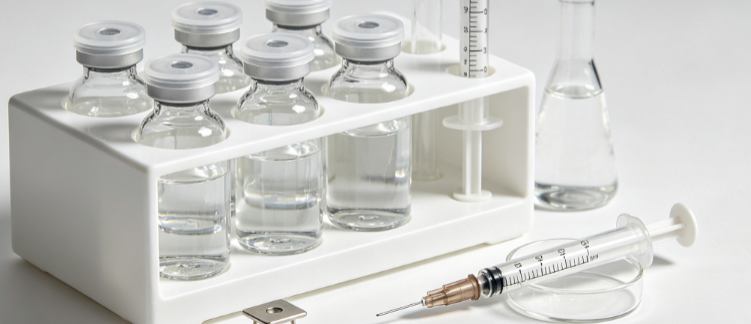
Why Accurate Propylene Oxide Analysis Is Critical for Industrial and Regulatory Compliance
Propylene oxide is classified as a hazardous substance due to its flammability, toxicity, and carcinogenic potential. Its applications in polymer and chemical synthesis demand strict control of water content, oxygenated impurities (e.g., acetaldehyde, propionaldehyde, methanol, acetone), chlorinated compounds, and peroxides, which can adversely affect downstream reactions, catalyst activity, and product quality. Moreover, regulatory bodies (including REACH, EPA, and OSHA) impose stringent limits on worker exposure and environmental emissions, making reliable analytical data indispensable for safety, sustainability, and operational excellence.
Our testing service is designed to meet these challenges by providing deep, quantitative, and traceable data that support process optimisation, batch‑to‑batch consistency, and risk management. We serve producers, distributors, and end‑users who require independent verification of product specifications, troubleshooting of off‑spec material, or forensic analysis of contamination events.
Our Comprehensive Analytical Framework for Propylene Oxide
1. High‑Purity Quantification by Gas Chromatography with Multiple Detectors
We determine the purity and overall composition of propylene oxide using gas chromatography (GC) with flame ionization detection (FID), employing a high‑resolution capillary column that separates propylene oxide from more than 30 potential impurities. For ultra‑trace components, we apply GC with mass spectrometry (GC‑MS) to identify and quantify unknowns down to the sub‑ppm level. The system is calibrated with certified reference standards, and each batch analysis includes system suitability checks, blank runs, and spiked recovery tests to ensure accuracy and reproducibility.
2. Trace Water Determination by Karl Fischer Coulometric Titration
Water is a critical impurity that can initiate polymerization and reduce catalyst efficiency. We measure moisture content using coulometric Karl Fischer titration with a detection limit of 1 µg/g (1 ppm), performed in a dedicated dry‑atmosphere cell to avoid ambient moisture interference. Our validated protocol ensures relative standard deviations below 2% for typical moisture levels (50–500 ppm), providing reliable data for process control and quality release.
3. Peroxide and Oxygenate Impurity Screening
Propylene oxide can form organic peroxides upon exposure to air, which pose explosion hazards and affect polymerisation kinetics. We quantify total peroxides (as active oxygen) using iodometric titration and identify specific species by HPLC with electrochemical detection. Additionally, we profile light oxygenates – including acetaldehyde, propionaldehyde, methanol, and acetone – via GC‑FID with a polar column, achieving limits of quantification (LOQ) in the low single‑digit ppm range. This detailed profile is essential for assessing product stability and for troubleshooting process upsets.
4. Chloride and Halogenated Impurity Analysis
Trace chlorides (both ionic and organic) can deactivate catalysts in polyurethane production. We employ ion chromatography (IC) for ionic chloride after aqueous extraction, and micro‑coulometry or combustion‑ion chromatography (CIC) for total organically bound chlorine, with detection limits of 1 mg/kg or better. This dual approach ensures a complete picture of the halogen burden, safeguarding downstream catalytic processes.
5. Physical Property Determination: Density, Refractive Index, and Colour
We verify the physical constants of propylene oxide using automated instruments – oscillating‑tube density meter (at 20 °C, 25 °C, and other temperatures per ASTM D4052), refractometer (ASTM D1218), and Pt‑Co colour (ASTM D5386). These simple yet critical measurements provide an immediate check against the product specification, and they are performed in duplicate with traceable calibration to NIST standards.
6. Volatile and Semi‑Volatile Organic Impurities by Headspace GC‑MS
For advanced impurity profiling, we utilise headspace GC‑MS with a wide‑range capillary column to detect and quantify volatile organic compounds (VOCs) that may originate from production or storage, including stabilisers, solvents, and degradation products. The headspace technique eliminates sample preparation artefacts and allows direct analysis of the vapour phase, providing a sensitive and representative fingerprint of the product’s volatile composition.
7. Stability and Degradation Studies Under Accelerated Conditions
We conduct stability assessments by simulating typical storage and transportation conditions – elevated temperature (40 °C, 60 °C), varying humidity, and contact with common container materials. Aliquots are analysed for peroxide formation, water uptake, and purity change over time. We provide kinetic models for degradation and recommend appropriate stabiliser additions or handling protocols to extend product shelf life.
8. Custom Method Development and Troubleshooting
For non‑routine matrices or unique contaminants (e.g., chlorinated by‑products from specific synthesis routes), our expert team develops tailored analytical methods using a combination of GC‑MS, LC‑MS/MS, and comprehensive two‑dimensional GC (GC×GC). We also offer forensic support to determine the root cause of off‑spec results, including residue identification, corrosion products, or cross‑contamination from process streams.
Our Distinctive Advantages in Propylene Oxide Testing
1. Integrated Multi‑Technique Platform: We combine GC‑FID, GC‑MS, headspace GC‑MS, Karl Fischer, ion chromatography, combustion‑ion chromatography, and peroxide titration in a single workflow, enabling a complete characterisation from bulk purity to trace impurities – all under one ISO‑accredited roof. This integration reduces turnaround time and eliminates the need for multiple subcontractors.
2. Ultra‑Trace Detection Capability: Our GC‑MS instruments achieve sub‑ppm detection limits for critical impurities, and our coulometric Karl Fischer provides moisture data down to 1 ppm. We routinely perform limit tests for heavy metals (by ICP‑MS) and for specific hydrocarbons (by high‑resolution GC), ensuring compliance with the most rigorous industrial specifications.
3. Regulatory‑Ready Documentation: All analyses are conducted in compliance with ISO/IEC 17025, and our reports include expanded measurement uncertainties (k=2), method references, and full traceability of standards. Our data are accepted by REACH, EPA, and global pharmacopoeias, providing confidence for regulatory submissions and customer audits.
4. Fast Turnaround and Flexible Sampling: We offer routine results within 3‑5 business days and expedited 24‑hour service for urgent production needs. We accept samples in various forms – drums, cylinders, and on‑site collected vials – and provide sampling guidance to ensure representative and stable shipment.
5. Expert Interpretation and Consultation: Our senior chemists provide detailed narrative reports that not only list the results but also interpret them in the context of your process – for example, correlating elevated aldehyde levels with possible oxidation, or linking high chloride to a specific batch of precursor. We offer recommendations for corrective actions, process optimisation, and supplier qualification.
Who Benefits from Our Propylene Oxide Testing Services
Our solutions are tailored for a diverse clientele:
Manufacturers – to verify product quality before release and to detect process deviations early.
Storage and logistics operators – to ensure that incoming raw material meets specifications and to monitor product stability during storage.
Downstream polyurethane and propylene glycol producers – to confirm that the propylene oxide feed is free from contaminants that could poison catalysts or cause discoloration.
Environmental and safety teams – to quantify emissions, to comply with occupational exposure limits, and to assess the effectiveness of abatement systems.
Report Deliverables and What You Receive
Our final report includes:
• Purity (wt%) and comprehensive impurity table with concentration and uncertainty.
• Moisture content in ppm.
• Peroxide value (as active oxygen ppm) and peroxide speciation (if applicable).
• Organic impurity profile (aldehydes, alcohols, chlorinated compounds, etc.).
• Density, refractive index, and colour with comparison to specification.
• Stability summary and recommended shelf‑life (if requested).
• Full chromatograms (GC‑FID, GC‑MS) and supporting raw data in electronic format.
• Certificate of Analysis (CoA) and a compliance statement against your specified standard.
All data are stored securely and are accessible via our client portal for future reference and trend analysis.
Conclusion: Partner with Us for Uncompromised Propylene Oxide Quality Control
Propylene oxide is a high‑value chemical that demands the highest level of analytical scrutiny. Our ISO‑accredited testing service provides the precision, depth, and speed required to manage its quality, safety, and regulatory compliance. With a multidisciplinary team of chromatographers, spectroscopists, and process chemists, we deliver actionable insights that go beyond numbers – helping you to optimise processes, reduce risk, and protect your brand reputation. Contact our expert team today to discuss your specific testing needs and to initiate a customized analytical programme.